Can a Community Bank Sell or License Its Data to AI Companies?
AITrainingDataBroker.com
Can a community bank
sell or license its data
to AI companies?
For community banks and credit unions: what the rules allow, and what AI companies want.
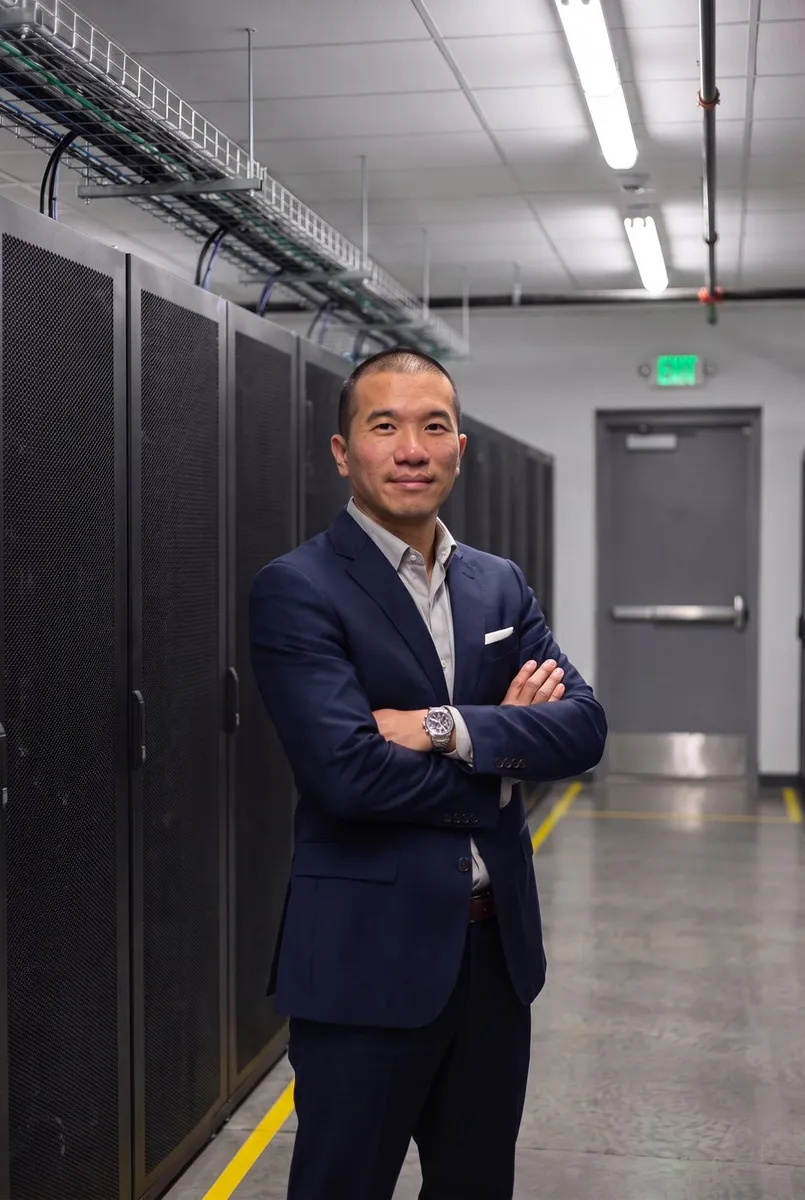
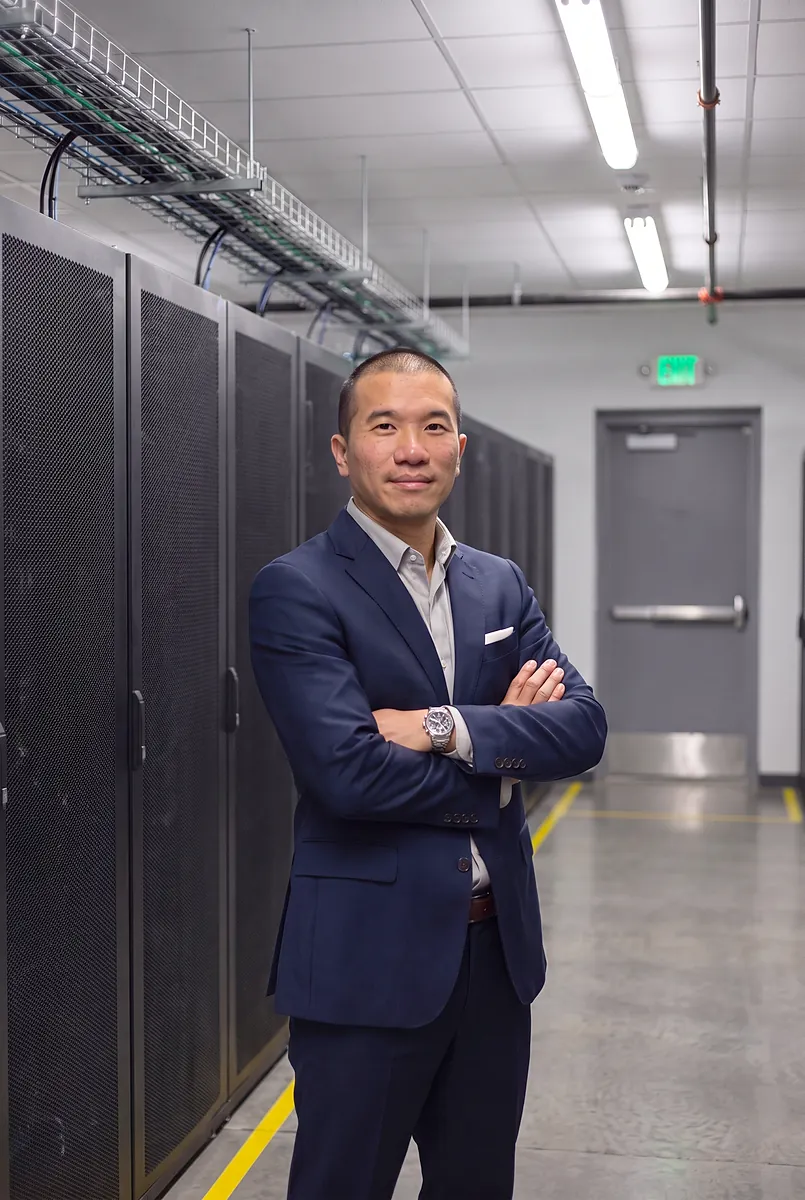
Jimmy Lin
Can a community bank sell or license its data to AI companies?
If you run a community bank or a credit union, you sit on years of records. Loan files. Customer calls. Disputes. Procedures.
AI companies now want to learn how banking work really gets done. So can a community bank sell or license its data? Yes, if you stay inside the rules.
By the end of this video, you will know the three things a bank can never sell, and the work AI companies will pay to learn from.
The video
Full script
If you run a community bank or a credit union, you sit on years of records. Loan files. Customer calls. Disputes. Procedures.
AI companies now want to learn how banking work really gets done. So can a community bank sell or license its data? Yes, if you stay inside the rules.
By the end of this video, you will know the three things a bank can never sell, and the work AI companies will pay to learn from.
Banks want AI. That part is clear. In a 2025 survey of 100 US banks, 71% had started using AI tools.
But ask what holds them back, and one answer keeps coming up. Good data. About 1 in 5 banks said getting good data is a top problem.
The AI companies building tools for banks have the same problem. They need real examples of how bank work gets done. And your bank has years of them.
I'm Jimmy. I have worked in data at Fortune 500 companies, as a data analyst, a data engineer and a software engineer, and I am trained in data science. I am also a Canadian military veteran, where I specialized in data analysis and reporting.
Selling your data? We get you the best price and keep your data private. Buying data for an AI lab? We find quality data that fits your requirements and see it through to delivery, so your team can focus on advancing AI research.
Let us start with what is never for sale. There are 3 things.
1: customer names and account numbers. Banking privacy rules protect them, and they stay with you.
2: anything about a suspicious activity report. Federal rules say a bank can not share a report, or even show that one exists. Not in any form.
3: exam reports and letters from your regulators. Those belong to the regulator.
And on every deal, your own lawyer and compliance officer check what goes out.
So what is left? More than you might think.
The banking privacy rule, Regulation P, says this is not protected customer information: "blind data that does not contain personal identifiers such as account numbers, names, or addresses."
That gives you 2 things to license. First, records with the names and numbers removed. Second, your bank's own know-how: how your team processes a loan, handles a dispute, or answers a call.
State laws can add rules, so your lawyer checks this for your bank.
What does an AI company want to learn from a bank? The work.
Loan files: how an application turned into a yes or a no, and why. Disputes: a customer says a charge is wrong, and what your team did about it. Calls: the question, and how it was answered. And your procedures: the policies and checklists your people follow.
Every one of those is a decision made by someone who knew the job. That is what the AI learns from.
Here is what cleaning looks like. This is a note from a loan file.
Approved Ruth Park's $85,000 equipment loan for Park Bakery, with her account number. 2 years of tax returns, debt ratio 31%, owner guarantee.
After cleaning, Ruth is Borrower 2208. The bakery is just a small bakery. The account number is gone, and the exact amount becomes a range.
What stays is the lesson: why the loan was approved. That is what the AI learns. Not who it was.
How the cleaning is done, and who does it, is written into the contract. And it is a license. You keep your data.
Here is a test you can do this week. Call it the loan-file test.
Pick 1 small-business loan from 2 years ago. In your systems, can you find the application? The notes on why it was approved? And how it paid back?
If you can follow that whole story, your bank has the kind of records AI companies want.
It also helps to have about 30 or more people, 3 or more years on the same core system, and records mostly in English.
Your part is mostly exporting the data, and we help with that. Not sure? The free check at the end will tell you.
A bank can not take shortcuts. So here is how I work.
First, I bring your bank to the AI companies that want bank work, more than one, so they bid for it.
Second, the rules are written into the license: what is in, what stays out, and how names and numbers are removed. Each deal is also reviewed by an outside lawyer and covered by an outside insurer.
Third, you keep a clear record of what left your bank, and how it was cleaned. Your lawyer and compliance officer sign off before anything moves. The terms and the price are worked out case by case.
And there is no cost to you unless a deal closes.
So yes, a community bank can sell or license its data. Never customer names, never anything about a suspicious activity report. What sells is how your bank does its work, with the names and numbers removed.
If you run a company with 30 or more people, the records you already have could become a new revenue stream. Find out if yours qualifies, free, at AITrainingDataBroker.com.
Thank you for watching. See you in the next one.
More slides
AITrainingDataBroker.com
Can a financial advisory firm
sell or license its data
to AI companies?
For RIAs and wealth managers: what Regulation S-P allows, and what AI companies want.
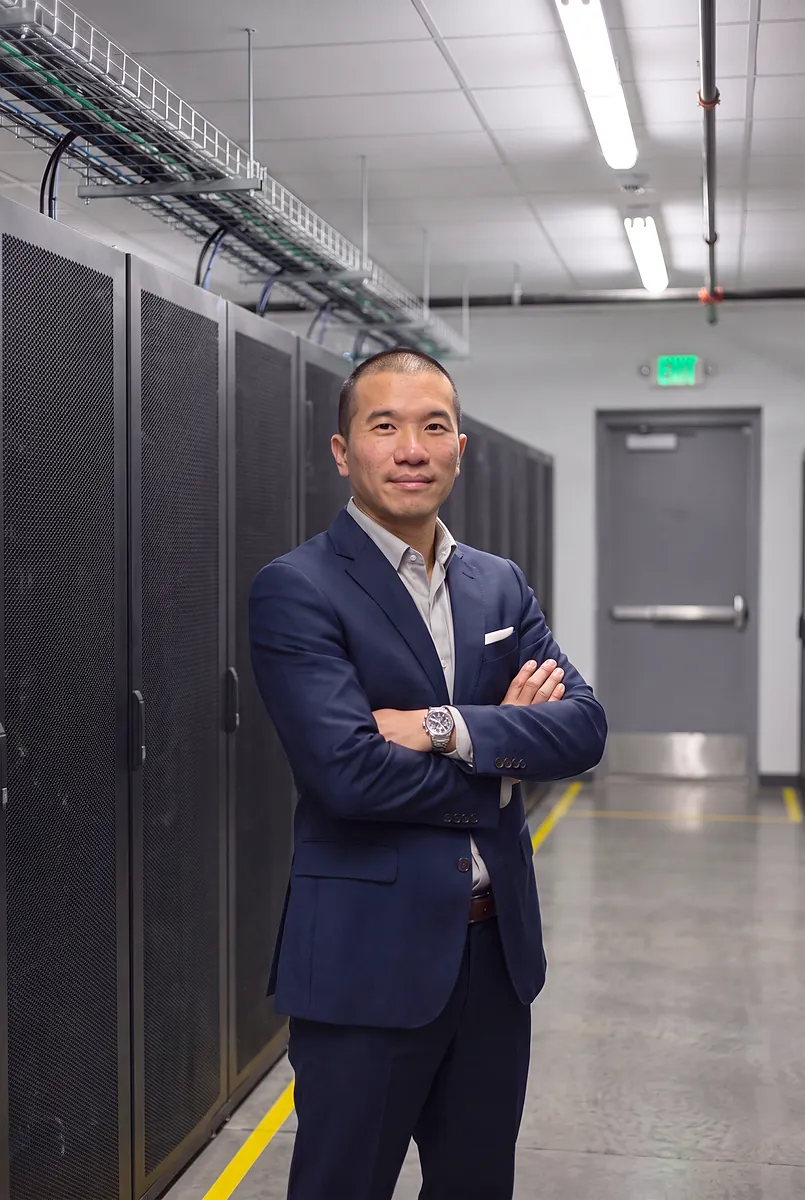
Jimmy Lin
AITrainingDataBroker.com
Can a medical practice
sell its data
to AI companies?
For clinics and practices: what HIPAA allows, and what AI companies want.
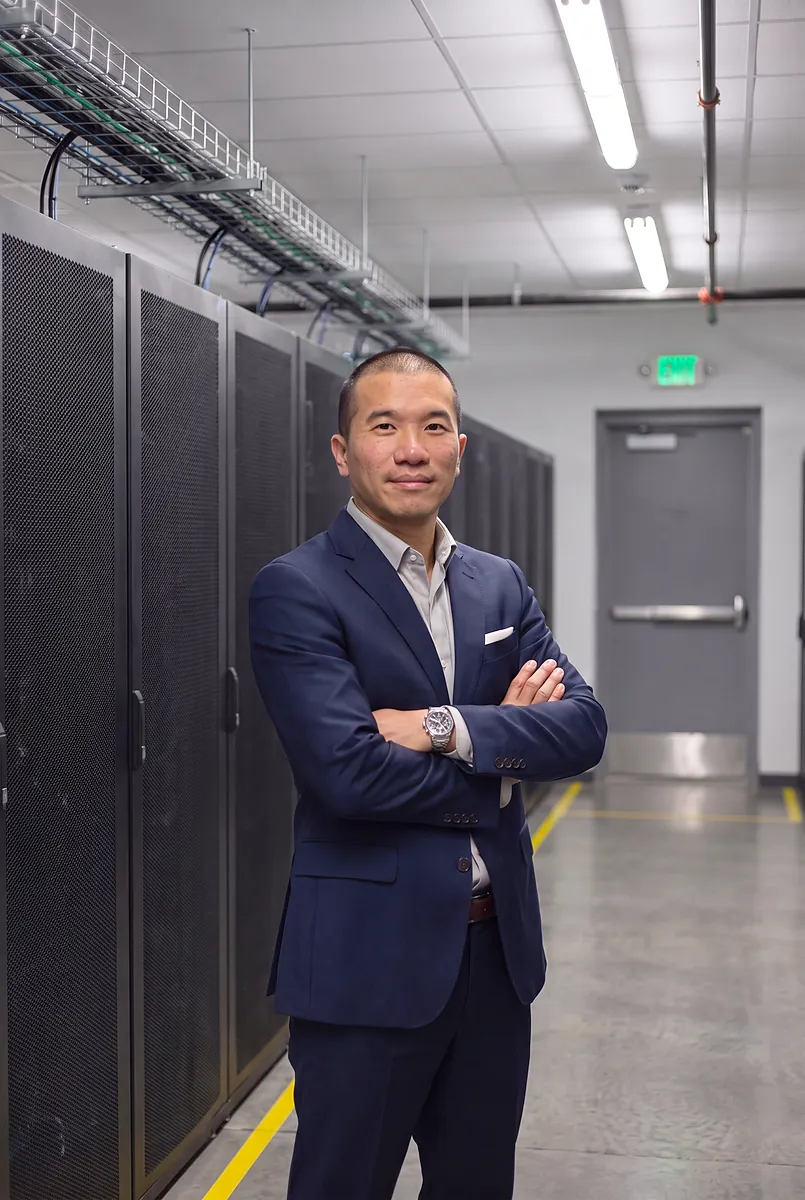
Jimmy Lin
AITrainingDataBroker.com
Can a construction company
sell its data
to AI companies?
For contractors and builders: which job records sell, and which stay yours.
Jimmy Lin