What Is an AI / SI Training Data Broker?
AITrainingDataBroker.com
What is an
AI / SI training
data broker?
AI and superintelligence (SI) training data, explained
Jimmy Lin
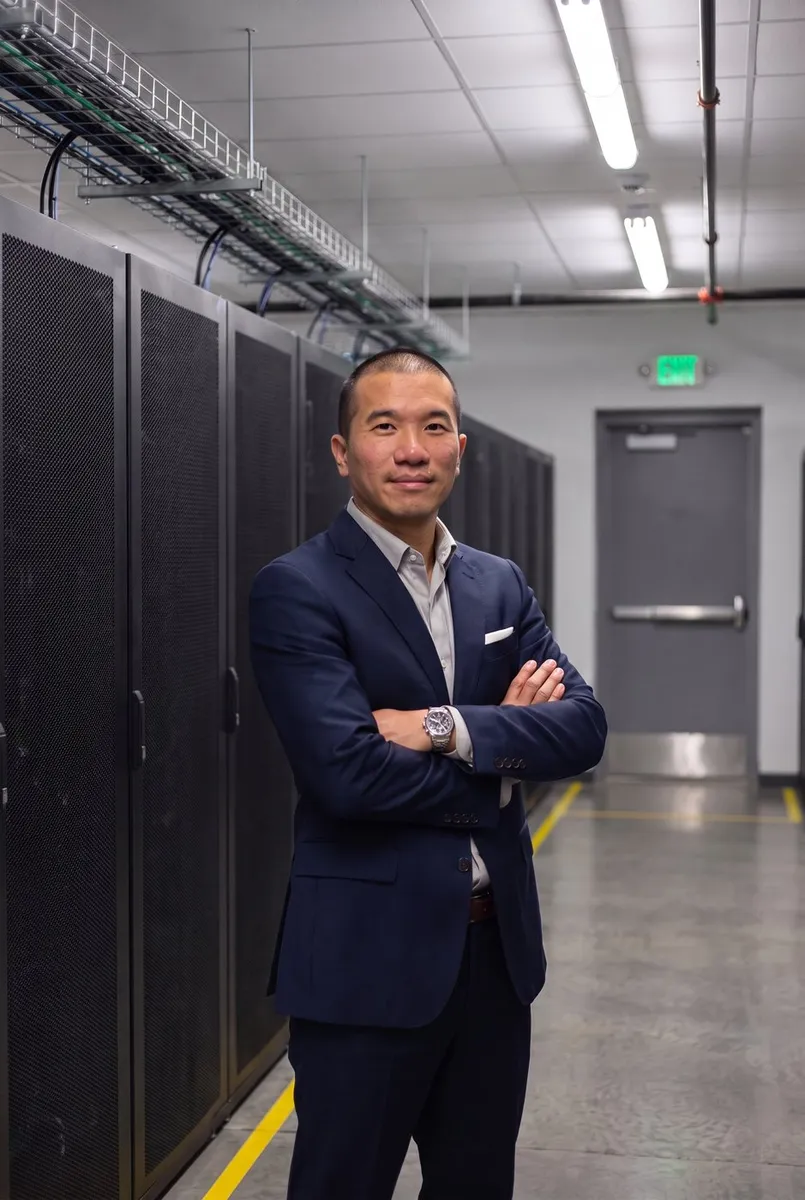
What is an AI / SI training data broker?
AI companies have read the entire internet. Now they're paying real money for something the internet never had: the inside of an ordinary company.
I'm Jimmy Lin, and I'm an AI training data broker. Some people now say SI, for superintelligence. For this video, AI and SI mean the same thing. In the next ten minutes I'll explain what that is, what AI companies want, what a company's data can be worth, how a broker gets you the best deal, and what kills a deal.
If you own or run a company with twenty or more people at desks, stay to the end. Your old emails and tickets may be worth more than you think.
The video
The video for these slides is on its way. It will play here as soon as it is on our channel.
Subscribe on YouTubeFull script
AI companies have read the entire internet. Now they're paying real money for something the internet never had: the inside of an ordinary company.
I'm Jimmy Lin, and I'm an AI training data broker. Some people now say SI, for superintelligence. For this video, AI and SI mean the same thing. In the next ten minutes I'll explain what that is, what AI companies want, what a company's data can be worth, how a broker gets you the best deal, and what kills a deal.
If you own or run a company with twenty or more people at desks, stay to the end. Your old emails and tickets may be worth more than you think.
Here's the problem the AI labs have. Their models have read pretty much everything public: websites, books, forums, code.
What they've never seen is how work actually moves inside a real business. How a support team handles an angry customer. How an accounting firm closes the month. How a dispatcher reroutes a truck.
That knowledge lives inside company systems, not on the internet. And the labs want their models to do real jobs, so they need to see real jobs being done.
Quick word on who I am. My background is data. I've worked with Fortune 500 companies as a data analyst, data engineer and software engineer, including a global enterprise software company and a national defense contractor. And I'm trained in data science.
I'm also a Canadian military veteran: a commissioned officer who specialized in data analysis and reporting.
So I've sat on both sides of this table. I know what a company's data looks like from the inside, and I know what the people building AI models need from it.
So what exactly do they want? Not a pile of files. They want the whole story of a task.
A customer emails with a problem. The team argues about it in Slack or Teams. Someone tries a fix, and it gets rejected. A better fix works. The reply goes back to the customer.
That trail runs across email, tickets, the CRM and chat. One system on its own is worth much less than all of them together, because the value is in seeing the reasoning, including the wrong turns.
Is this real money? Here's the clearest public example.
In August, Google agreed to pay ten million dollars for Spirit Airlines' operating records, in the airline's bankruptcy. That was reported by Reuters and CNN.
Most deals are much smaller than that, and almost none are made public. But it tells you something: years of ordinary business records now have a buyer.
Here's how a deal works.
On one side, your company, which owns the data. On the other side, the buyers: AI companies that need real business data.
In the middle is the broker. That's me, and I work for you. I figure out what you have, get it ready, and bring you competing offers.
The goal is simple: the best price, on terms you're safe with.
Think of a real estate listing agent, but for your company's data. Here's what I actually do.
One: check what you're legally allowed to license, because some records may belong to your clients.
Two: plan how the data gets out. What to export from each system, how it's cleaned and organised, and how it's transferred securely.
Three: put it in front of the right buyers and bring you competing offers, then help you choose the one that fits best.
Four: negotiate the best price and terms. How much, how long the license runs, and what they can do with it.
Five: check the paperwork. The contract, the data-handling terms and the insurance.
Six: the data is anonymised as agreed, it's delivered, and you get paid.
Does your company qualify? The buyers' rules of thumb:
About twenty or more people who work on computers every day. Drivers and warehouse staff don't count.
Three or more years of history on the same software, because a switch resets the clock.
Five or more tools: things like email, a CRM, a helpdesk, chat and file storage.
And English-language records, with the US, UK and Canada first.
One surprise: companies that have closed or are winding down can qualify too, as long as the records still exist.
What's it worth? The buyers themselves publish ranges from about a hundred thousand dollars to two million plus, priced company by company.
A few things to know.
It's a one-time payment, not recurring revenue, so don't count it in your company's valuation.
Price follows depth: years of history and visible reasoning beat sheer volume.
And be careful with anyone who promises you a number on the first call. A real number comes after a buyer has reviewed a sample.
The first question every owner asks: what about privacy?
Personal information is removed before the data is used for training. Who does it, and how, is agreed case by case in the contract.
Either way, it's not just blacked out, because blacked-out text loses the story. You can't tell who did what.
Instead, names become consistent stand-ins. Sarah becomes Employee 632 everywhere she appears, so the story still makes sense, but nobody can be identified.
How the raw files are handled is written into the contract, depending on the negotiation. Getting those terms right is part of my job.
Here's what kills a deal.
Records you hold for clients, under their contracts, usually aren't yours to license.
Businesses that run on the phone, where little gets written down.
A recent software switch.
Less than three years of history.
Personal information that can't be cleanly removed.
And on the contract side, a license that lasts forever. Some contracts ask for one. That's one of the things a broker negotiates.
How do I get paid? Only when a deal closes. There are no listing fees and no retainers.
Every fee is agreed in writing up front, case by case. No surprises.
So that's an AI training data broker: the person who helps a company turn years of ordinary records into a licensing deal, safely, at the best price.
If you run a company and you're curious, there's a free check at AITrainingDataBroker.com/sell. It takes a few minutes, costs nothing and commits you to nothing.
If you build AI and need licensed company data, go to /buy.
Questions? Leave them in the comments and I'll answer them in the next video.