Is Selling or Licensing Company Data to AI a Scam? How to Check
AITrainingDataBroker.com
Selling data to AI:
Real deal
or a scam?
How to tell a real data licensing offer from a fake one, and how to check any broker, me included.
Jimmy Lin
Selling data to AI: Real deal or a scam?
Hello, everyone. Maybe you got an email offering money for your company's data. And your first thought was: this has to be a scam.
That is a smart first thought. In this video, I will show you how to tell a real offer from a fake one.
By the end, you will know the 1 question that exposes a fake offer, fast.
So, is any of this real?
The video
Full script
Hello, everyone. Maybe you got an email offering money for your company's data. And your first thought was: this has to be a scam.
That is a smart first thought. In this video, I will show you how to tell a real offer from a fake one.
By the end, you will know the 1 question that exposes a fake offer, fast.
So, is any of this real?
Yes, the money is real. Gartner, a research firm, puts spending on data for AI at about $800 million in 2025.
It expects $3.1 billion this year, and about $6.5 billion in 2027. That is about 8 times more in 2 years.
Real money brings real buyers. Of course, it also brings people who cut corners.
Before we look at the warning signs, a quick word about me.
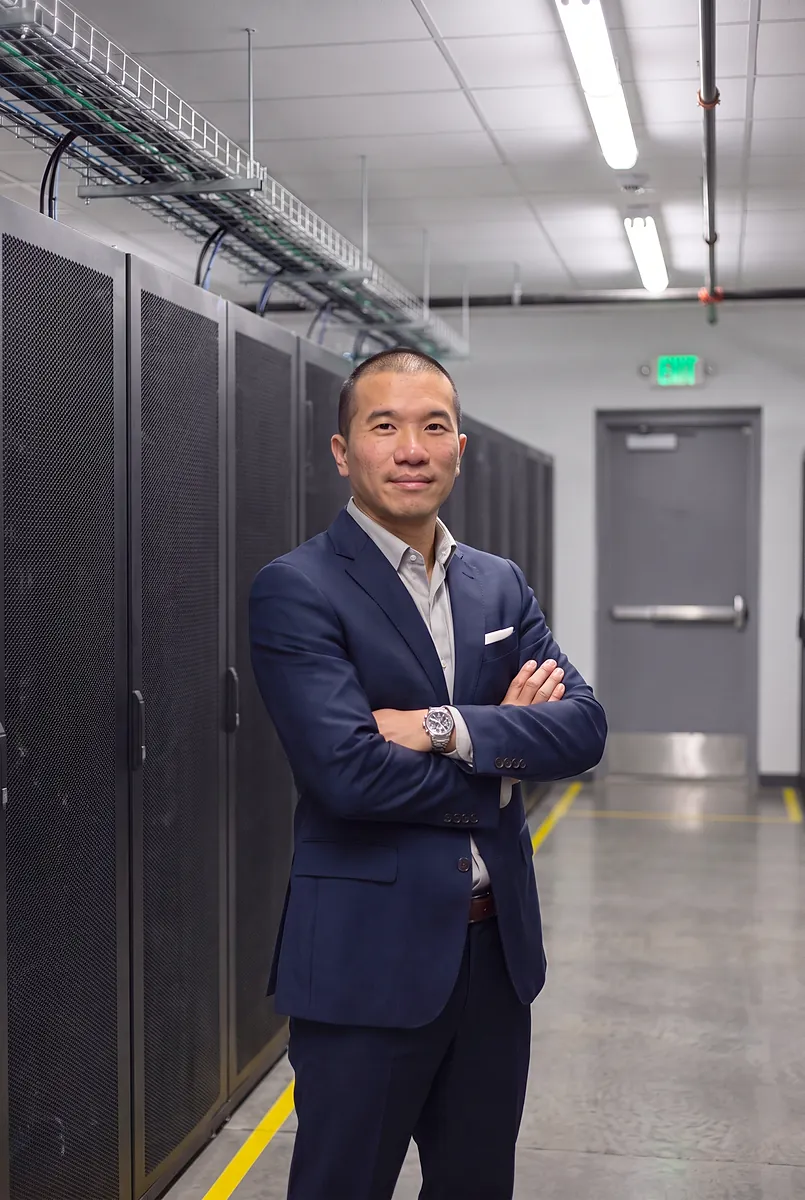
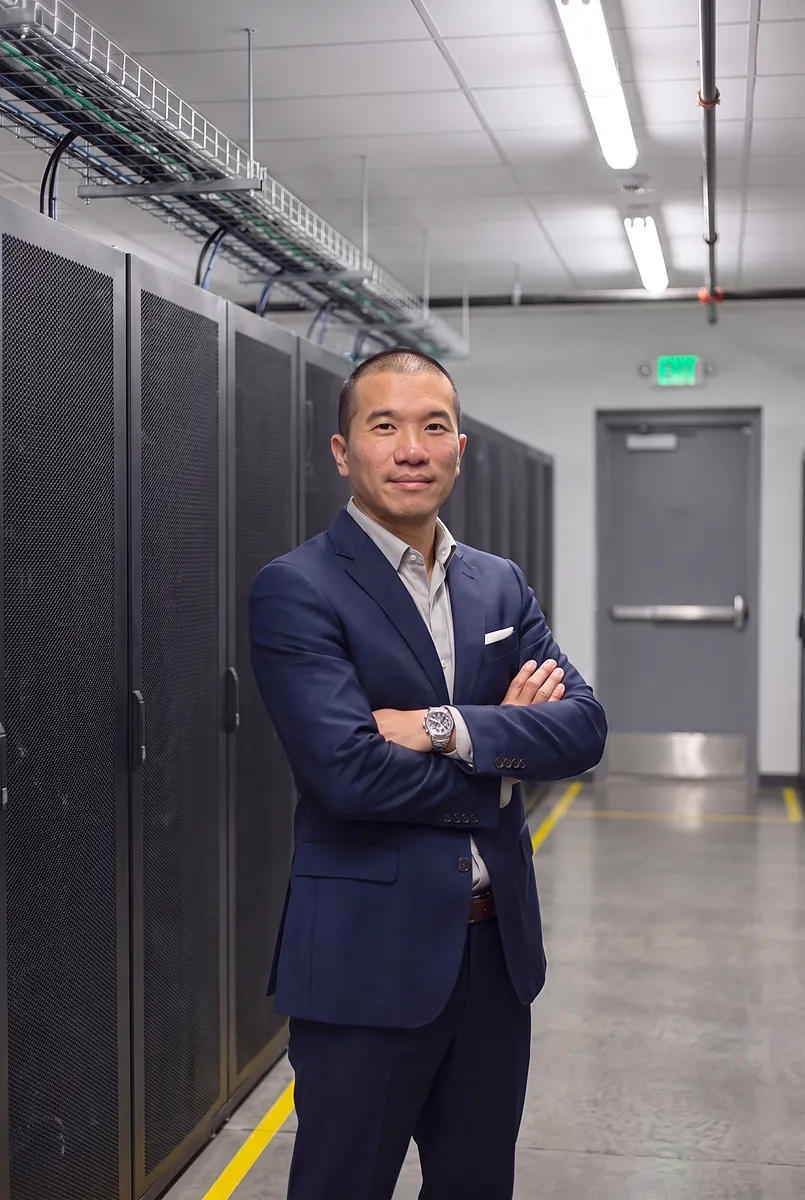
I'm Jimmy. I have worked in data at Fortune 500 companies, as a data analyst, a data engineer and a software engineer, and I am trained in data science. I am also a Canadian military veteran, where I specialized in data analysis and reporting.
Are you selling your data? We are your broker and technical advisor. We get you the best price, and we guide your team through the technical side, so your data stays private.
Are you buying data for an AI lab? We find the right data for you and see it through to delivery, so you can focus on advancing AI research.
Why does a real market feel so much like a scam? There are 3 reasons.
First, the offer comes out of nowhere, often by cold email. Second, it names a big number before anyone has looked at your records. Third, it comes with a deadline. This month, Business Insider reported owners getting offers of $100,000 or more that expire in 48 hours.
The thing is, real offers can look like that too. So how an offer looks proves nothing. What it asks you to do is what counts.
Then what does a bad offer ask for? Watch for 5 red flags.
1: they ask you to pay a fee, to be approved, listed or certified. In a real deal, the buyer pays you.
2: they want your raw data before anything is signed.
3: they push you to decide in 48 hours.
4: they promise a price before anyone has looked at your records.
5: they tell you to keep it from your team or your own advisor.
The US Federal Trade Commission lists pressure to act now as a classic sign of a scam. Any 1 of these is a reason to stop and check.
On the other hand, a real deal has a clear shape.
It is a written license, not a sale. You keep your data, and you keep using it.
The contract says how names and personal details come out, and who does it. Your records stay in your systems until you sign.
And a careful buyer checks that you own the records. That protects them, too: Business Insider reported a group that tried to sell a big company's stolen code to data vendors for millions.
In short, the money flows 1 way: to you. But the people in the middle need checking as well.
That includes me. Before you trust any broker, me included, check 4 things.
Is there a real person, with a name and a face? Is there a real company you can look up, with an address and a phone number?
Will they talk to you before you sign anything? And do they charge you anything to get started?
I show my face on this channel. My company's details are on my website. And I do not charge owners to get started.
Now for the test I promised. Put 5 questions to any offer.
1: will you put it in writing before any of my data leaves? 2: is it a license, with clear limits? 3: who removes the names, and how? 4: who pays whom, and when? 5: can I take a week to decide, and ask my team?
Question 1 is the one that exposes a fake offer. A real buyer says yes. A fake one starts asking for files, or for money.
If an offer passes all 5, it is worth a serious look. And that is where a broker earns the fee.
That is my job: I am your broker and technical advisor.
As your broker, I bring your company to real buyers, so you get competing offers instead of 1 rushed one. Then I work through the terms with you, and you make the final call.
As your technical advisor, I guide your team through the technical side: what to export, the format, and how names come out.
Nothing moves until your team signs off, and the terms are worked out case by case. As for my fee, I earn only when your deal closes.
So, the market is real, and so are the bad offers. Get it in writing, take your time, and never pay to get in.
If you run a company with 30 or more people, licensing the records you already have could become a new revenue stream, and you keep your data. Find out if yours qualifies, free, at AITrainingDataBroker.com.
Thank you for watching. Stay careful out there, and see you in the next one.
More slides
AITrainingDataBroker.com
Will your data
train AI to
replace you?
What AI companies learn from your records, what they never get, and how to protect your edge.
Jimmy Lin
AITrainingDataBroker.com
Which company data
do AI companies
pay the most for?
Why scarce records earn more, where AI is still weak, and a quick test for your own records.
Jimmy Lin
AITrainingDataBroker.com
Bankrupt or closing?
Your data
still has value
What a bankrupt or closing company can still license to AI companies, and who signs.
Jimmy Lin