What Are RL Environments? Explained for Business Owners
AITrainingDataBroker.com
What are
RL environments?
Explained for owners
RL = reinforcement learning: how AI learns to do real work, and why it needs records from companies like yours.
Jimmy Lin
What are RL environments? Explained for owners
Hello, good morning, everyone. Today we are going to talk about RL environments. RL is short for reinforcement learning.
You may have heard that AI companies now want RL environments. RL is a way of training AI by trial and error. But what does that mean for a business owner?
By the end of this video, you will see how 1 ordinary record from your company, like a solved customer support ticket, can become a training task worth paying for. Let us start with the basics.
The video
Full script
Hello, good morning, everyone. Today we are going to talk about RL environments. RL is short for reinforcement learning.
You may have heard that AI companies now want RL environments. RL is a way of training AI by trial and error. But what does that mean for a business owner?
By the end of this video, you will see how 1 ordinary record from your company, like a solved customer support ticket, can become a training task worth paying for. Let us start with the basics.
An RL environment is a practice space where AI learns to do a real job.
Think of how you train a new hire. You give them a task, a safe place to try it, and someone who checks the work. An RL environment gives AI the same 3 things: a task, a workspace, and a grader. We will come back to each one.
Why should a business owner care?
Because AI companies are spending big on them. In 2025, TechCrunch reported that leaders at 1 leading AI lab had discussed spending more than $1 billion on RL environments, in a single year.
That was a discussion, not a final budget. Still, it shows where the money is going: into teaching AI to do work, not just to talk.
Before we go further, a quick word about me.
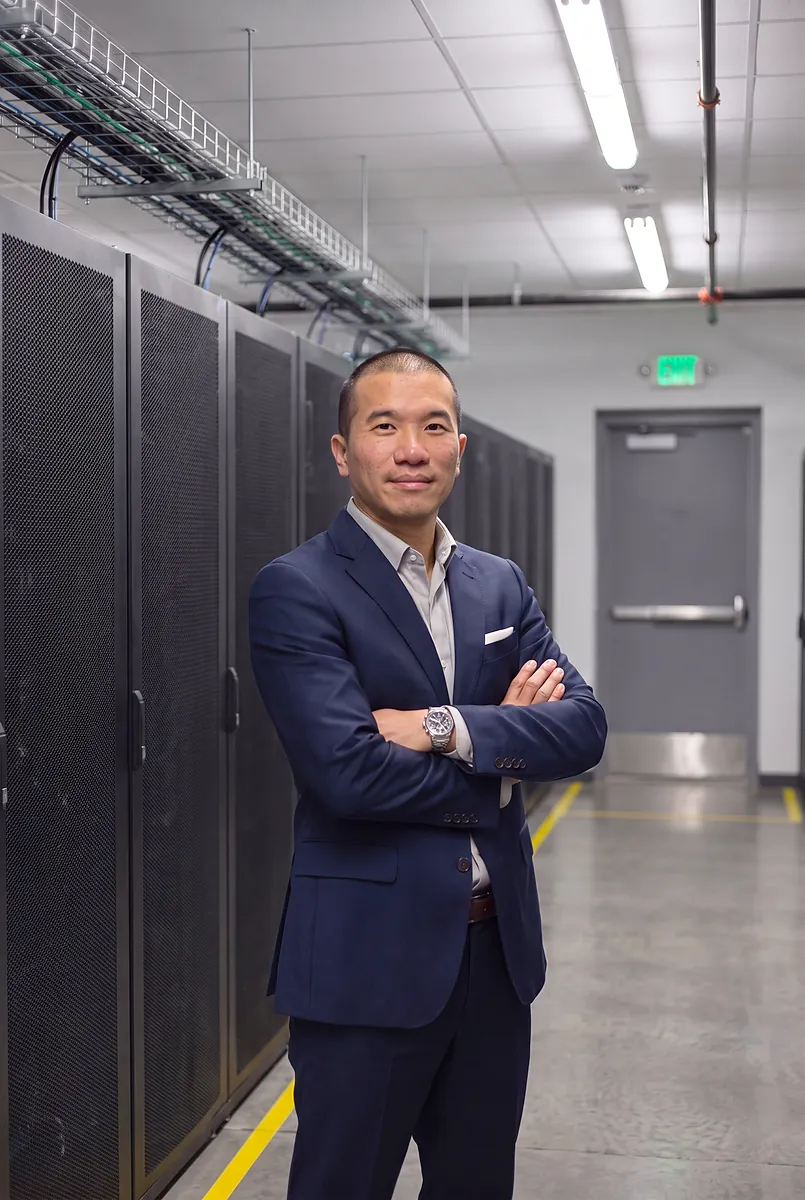
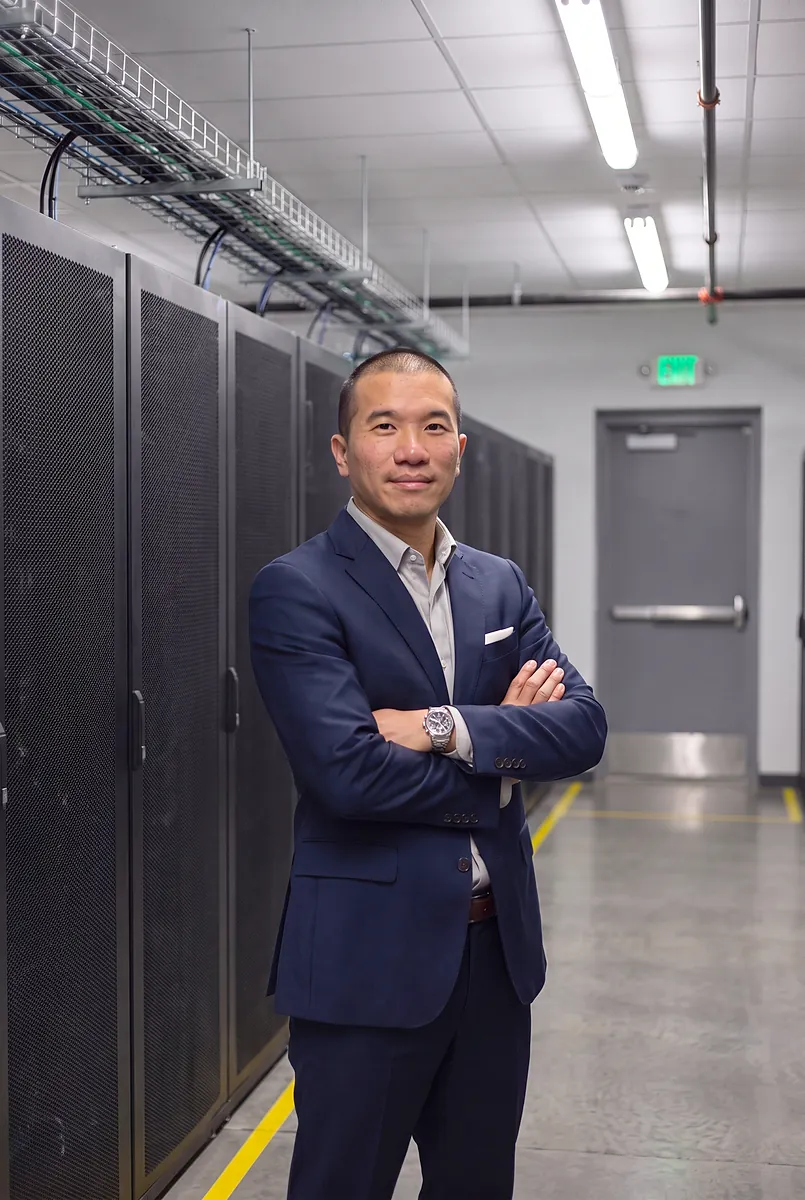
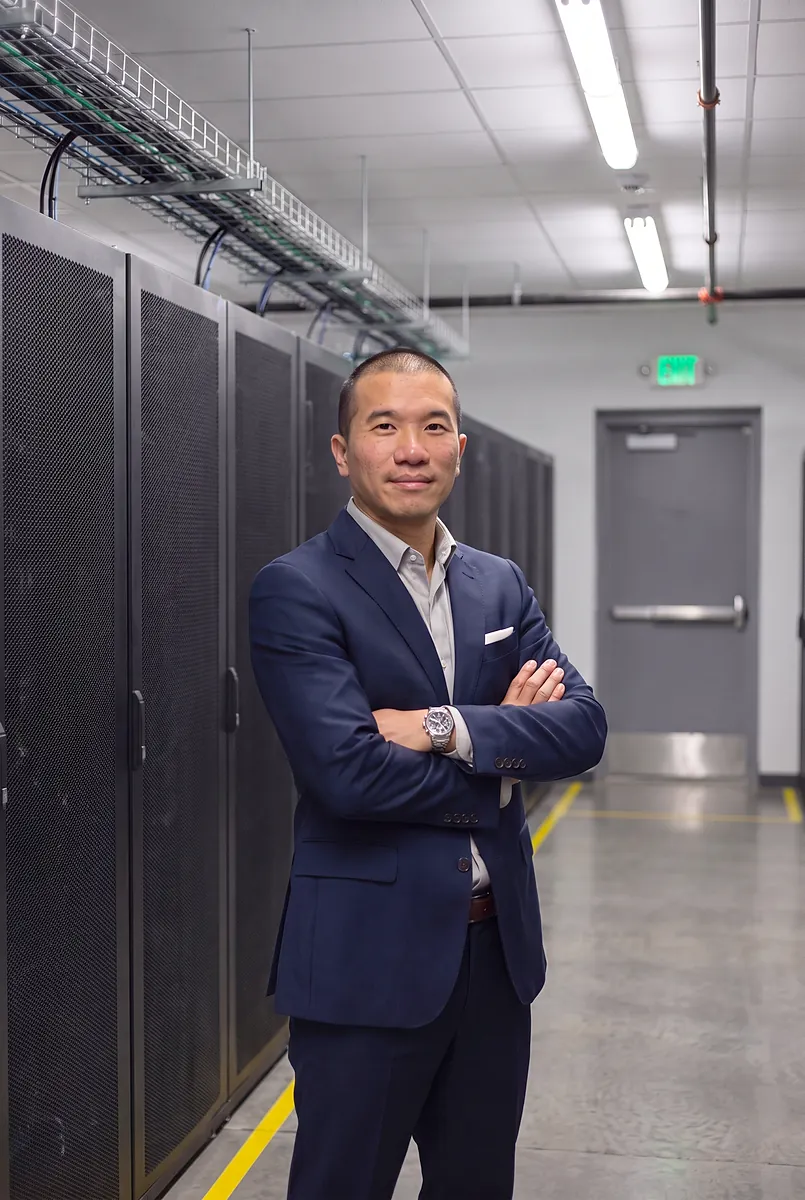
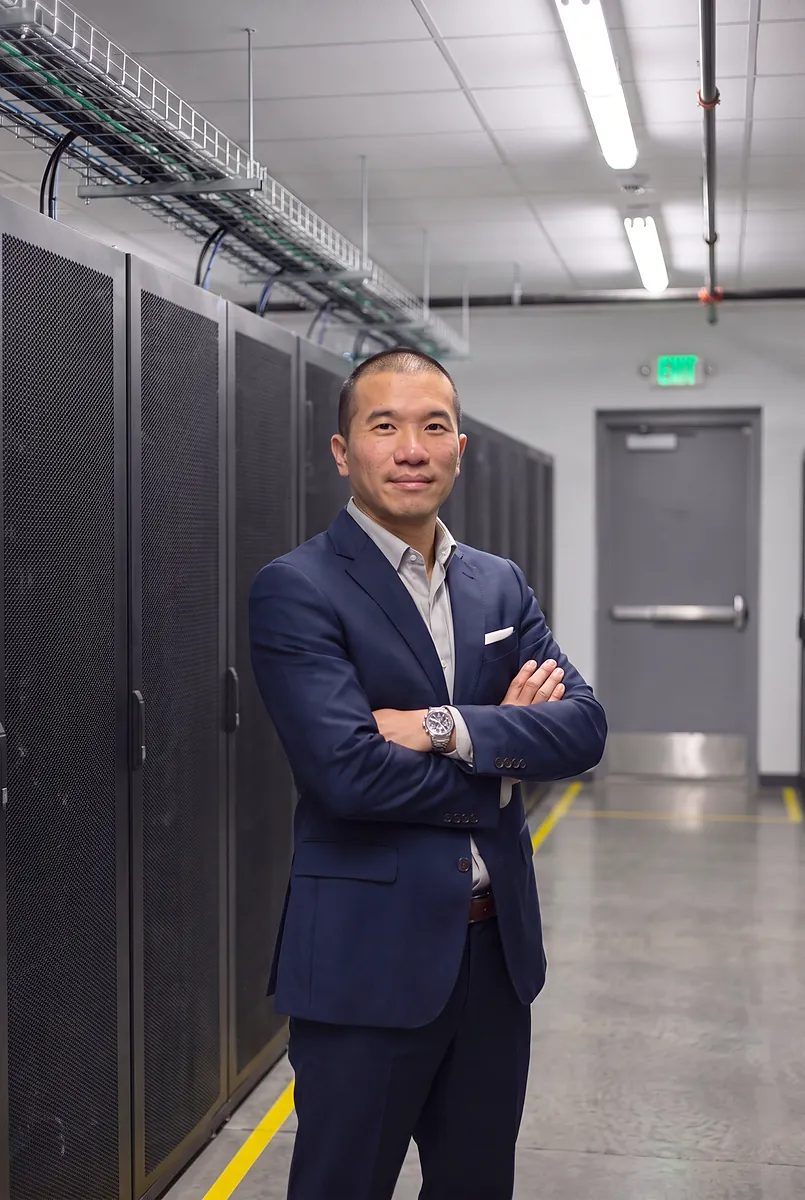
I'm Jimmy. I have worked in data at Fortune 500 companies, as a data analyst, a data engineer and a software engineer, and I am trained in data science. I am also a Canadian military veteran, where I specialized in data analysis and reporting.
Looking to sell your data? We are your broker and your technical advisor. We get you the best price, and we guide your team through the technical process, from export to cleaning, so your data stays private. Buying data for an AI lab? We find quality data that fits your needs, and see it through to delivery, so your team can focus on advancing AI research.
Now, back to how AI learns. For years, it learned by reading: books, websites, articles. That taught it to talk.
Talking is not working, though. To do a real job, like handling a refund or booking an appointment, AI needs practice.
It tries a task, gets a score, and tries again. That kind of learning, by trial and error, is what RL means. The RL environment is where that practice happens.
Now, remember the 3 parts? Let us walk through them with a refund.
The task: refund a customer who was charged twice.
The workspace: a safe copy of a billing system, where the AI can click and type, like a new hire would.
The grader: think of it as an answer key, or a manager checking the work. Was the refund issued? Was the customer told?
The AI repeats this thousands of times, until it gets it right. Which raises the real question: where do good tasks come from?
From real companies, like yours.
AI companies can make up tasks. But made-up tasks are too easy and too clean, and real work is messy. That is why the best tasks come from real records.
Take 1 solved customer support ticket, for example. A customer was charged twice. The agent checked the invoice, refunded the extra charge, and emailed the customer.
That one ticket gives the AI company 2 things: the task, refund a double charge, and the answer key, how your team got it right. Names and personal details are removed before anyone sees it.
Of course, some records are worth more than others.
What makes the difference, then? There are 4 things.
The first is the whole story: from the first message to the final fix, not just one step.
The most important is the outcome written down. If your records show what "done right" looks like, a grader can check the AI's work against it.
Then volume: many of the same task, hundreds of refunds, not a handful.
Last, the hard cases: the angry customer, the strange exception. That is where AI learns the most.
Could your company have records like this? A quick test will tell you.
Call it the answer-key test.
Pick 1 task your team does more than 100 times a year: a refund, a quote, a booking, a repair. Open a few finished ones in your systems. Can you see what "done right" looked like?
If yes, you may already have training tasks on file, with the answer key built in.
Size helps too: a company of 30 or more people, 3 or more years on the same tools, and records mostly in English. On your side, the main job is exporting the data, and we guide your team through it.
So how do records like these turn into a deal?
That is my job, as your broker and your technical advisor.
As your broker, I bring your company to several AI companies that build these environments. They compete, and you get the best terms.
As your technical advisor, I help your team pick which records make good tasks, export them in the right format, and take names and personal details out as well.
Nothing moves until your team signs off, and the terms are worked out case by case. Best of all, you pay nothing until a deal closes.
That is an RL environment in short: a practice space where AI learns real work, with a task, a workspace and a grader. The best tasks come from records like yours.
If you run a company with 30 or more people, the records you already have could become a new revenue stream. Find out if you qualify, for free, at AITrainingDataBroker.com.
Thank you very much for watching. I will see you in the next one.
More slides
AITrainingDataBroker.com
What does an
AI training data broker
do for you?
For company owners with data, and for AI teams who need it.
Jimmy Lin
AITrainingDataBroker.com
Can a home service company
sell or license its data
to AI companies?
For HVAC, plumbing and electrical companies: what you can license, and what never leaves.
Jimmy Lin
AITrainingDataBroker.com
Can an accounting or CPA firm
sell or license its data
to AI companies?
For accounting, CPA and bookkeeping firms: what you can license, and the one thing you never sell.
Jimmy Lin