Sell or License Company Data to AI: Your Questions Answered
AITrainingDataBroker.com
Your questions on
selling or licensing
company data to AI
6 questions from company owners, answered one by one
Jimmy Lin
Your questions on selling or licensing company data to AI
Company owners keep writing to me with questions about selling or licensing their data to AI, and some of the same questions come up again and again.
So in this video, I will answer 6 of them, one by one, in plain words.
I do not give legal advice, so check anything about contracts or privacy law with your own lawyer.
The video
Full script
Company owners keep writing to me with questions about selling or licensing their data to AI, and some of the same questions come up again and again.
So in this video, I will answer 6 of them, one by one, in plain words.
I do not give legal advice, so check anything about contracts or privacy law with your own lawyer.
These questions come from real owners, and I have taken out the names.
The first one is about the kind of data, because that decides whether you are a fit at all, so I will start there.
Before we begin, let me tell you who I am.
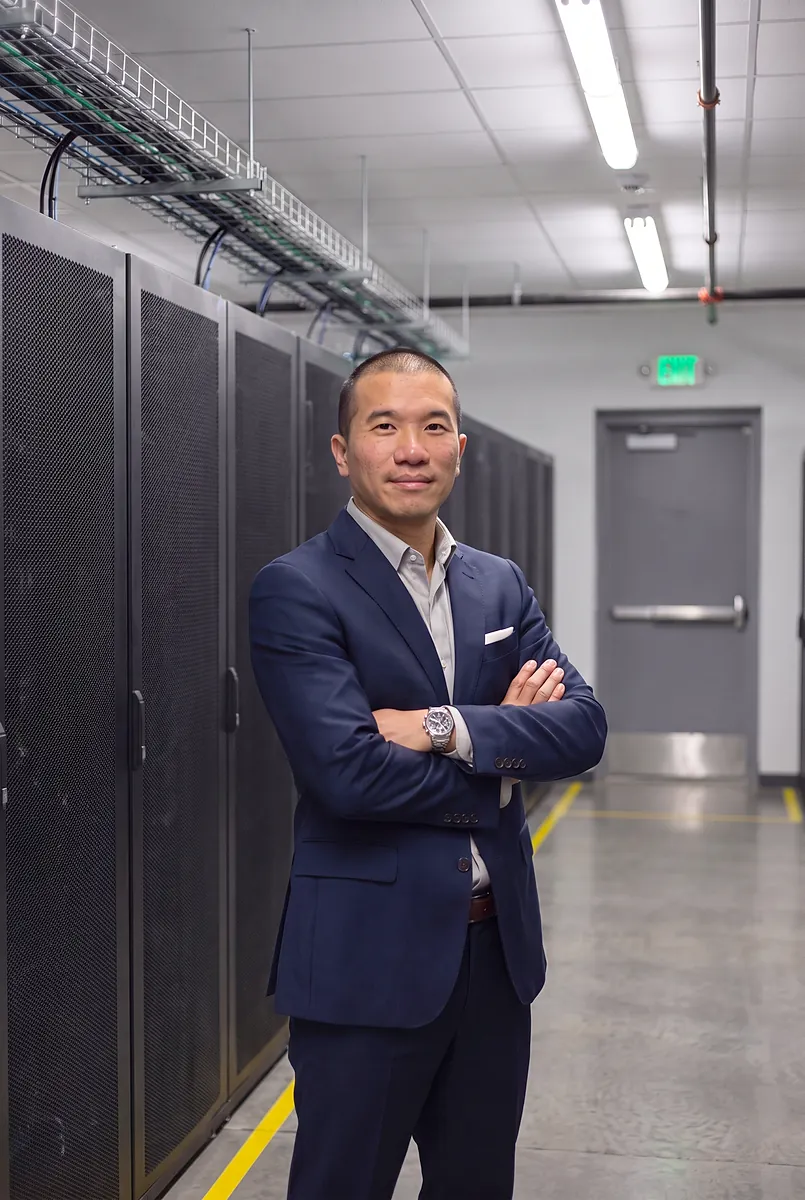
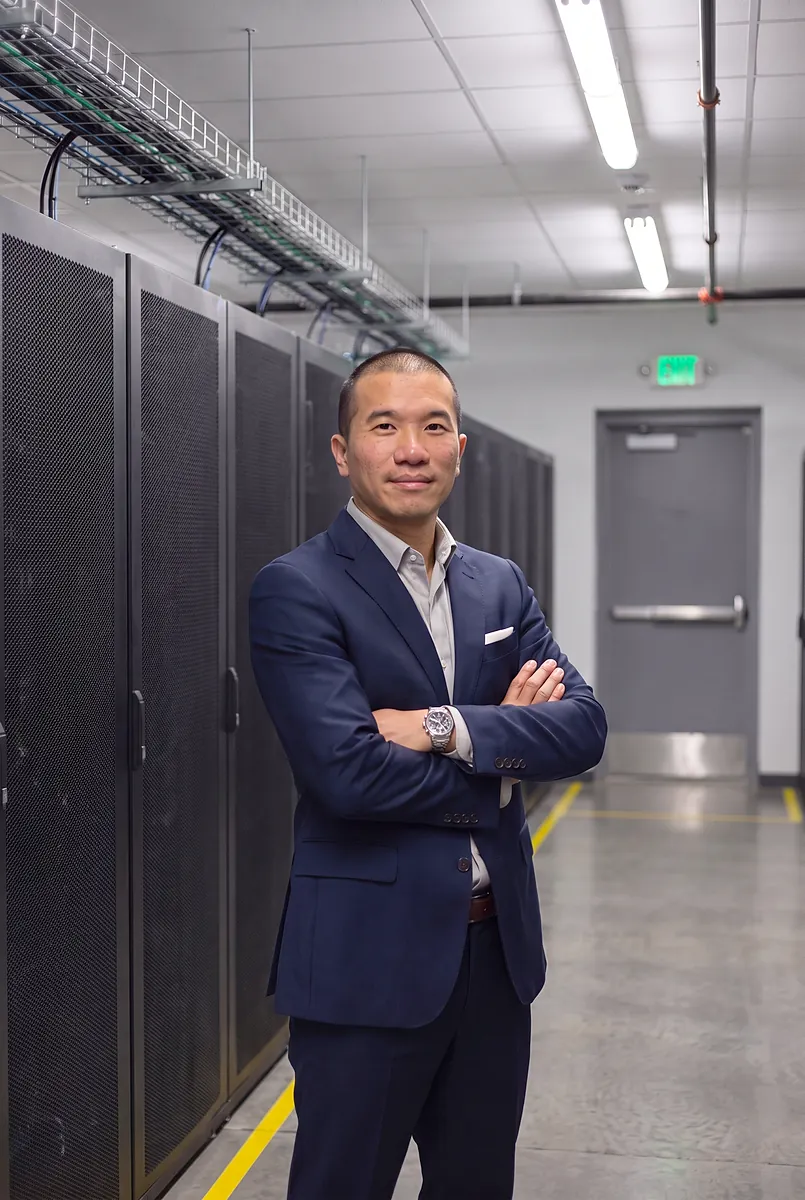
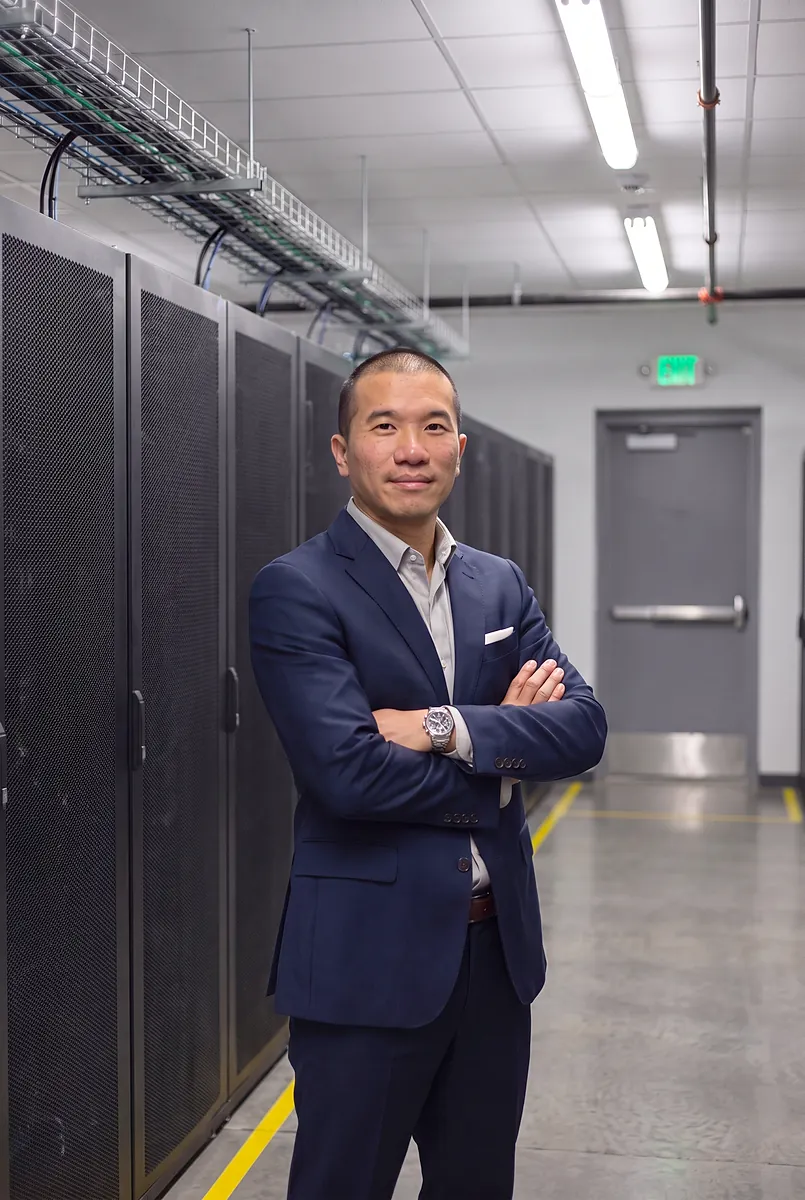
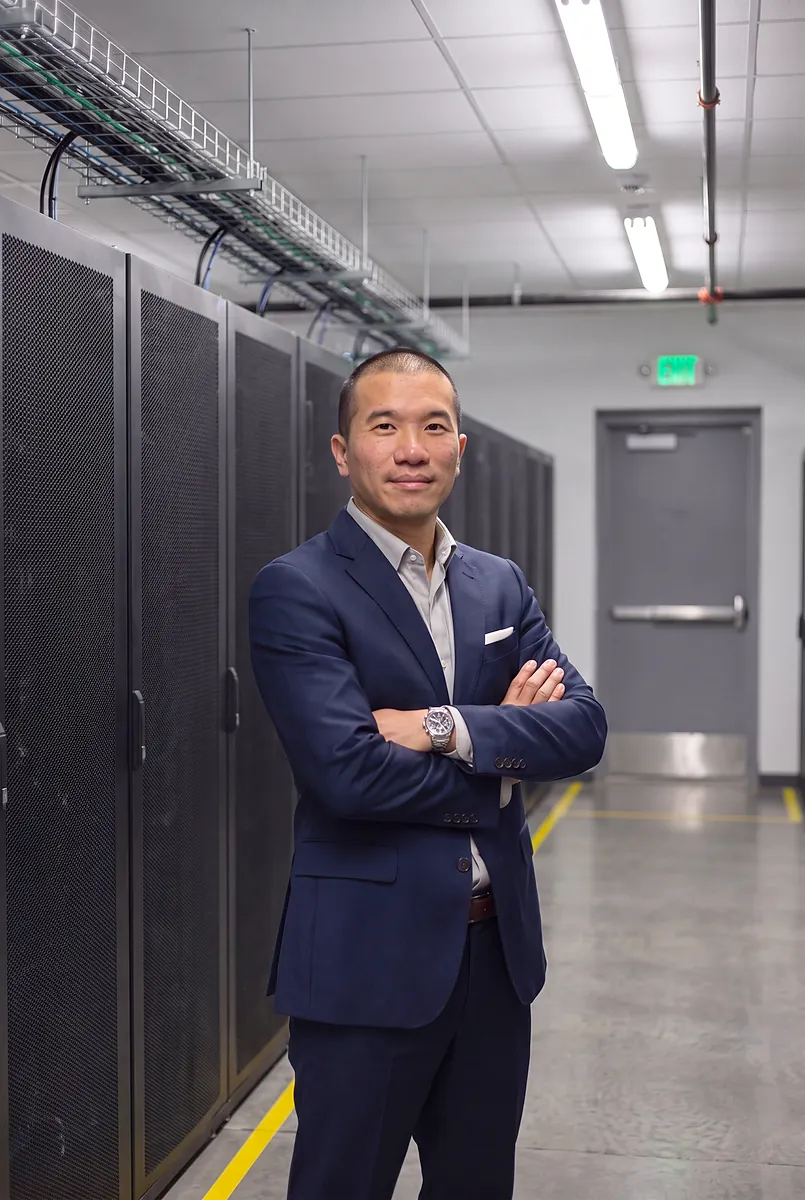
I'm Jimmy. I have worked in data at Fortune 500 companies, as a data analyst, a data engineer and a software engineer, and I am trained in data science. I am also a Canadian military veteran, where I specialized in data analysis and reporting.
Are you selling your data? We are your broker and technical advisor. We get you the best price, and we guide your team through the technical side, so your data stays private.
Are you buying data for an AI lab? We find the right data for you and see it through to delivery, so you can focus on advancing AI research.
Question 1 is whether it has to be operational data, and the answer is mostly yes.
The AI companies I work with want to learn how real companies do their work, so they look for emails, tickets, project files and procedures.
One owner asked about a large set of text messages from the users of an app, which is a different kind of data, because it is about customers and not about company work.
That is not the kind of data I broker, and it also raises privacy questions that your lawyer needs to answer.
Next, is your data big enough? That is question 2.
Size does matter, and some data is too small for the AI companies, as I told one owner.
But I do not judge size by gigabytes alone, so I look at 3 things.
The first is how many people do the work, with 30 or more full-time people as my starting point, the second is how many years the data covers, and the third is whether the whole story is kept together.
If you are close, ask me, and I will tell you straight whether it is worth your time.
Once you know you are a fit, the next worry is how to get your email and chats out, which is question 3, and the answer depends on the system and on the plan you pay for.
In Microsoft 365, an administrator can export mailboxes with the eDiscovery tool, if your plan includes it.
In Slack, the Free and Pro plans export only public channels, and private messages need approval from Slack.
In Odoo, you export lists as CSV or Excel files, and if a big export times out, you run it in smaller batches.
Plans and steps change, so check each company's own help page, and as your technical advisor, I guide your team through it.
Owners outside the United States ask question 4: can a company there do this too? You can always ask, because 3 things decide the answer.
First, the language of your data, because the AI company has to be able to use it.
Second, the privacy law where you are, such as the GDPR in the European Union, which sets rules when personal data leaves the region.
Third, who owns the rights to the data.
I do not give legal advice, so your lawyer should check the second and the third.
Then there is the signature, which is question 5: who has to sign?
Often the owner or the CEO signs, but your board, your investors or your lender may need to say yes first, and your own lawyer confirms who has the authority.
I went through this one yes at a time in my video about who has to approve the sale, so watch that one next if you are close to an offer.
Last, question 6 is how you pay for this, and what it costs.
The terms are agreed case by case, and I explain them before you sign.
For you, there is no retainer and no hourly bill, because I am paid from the closed deal, and only if it closes.
In the meantime, I bring your data to several AI companies and AI labs so they bid against each other, and I work through the terms with you, and you make the final call.
Here is what you can do this week.
First, name who can sign, and second, list the systems where your work lives.
Third, count the years of work that are kept, and then note your country and the language of your data.
Next, list what we leave out of the license, such as client data, and finally, ask your own lawyer.
Do those 6 things, and most of the answers above will fit your company.
I answer these same questions for your company, as your broker and technical advisor.
As your broker, I bring your data to several AI companies and AI labs so they bid against each other, and I work through the terms with you, and you make the final call.
As your technical advisor, I guide your team through the export, and we de-identify your data beyond names before any AI company sees it.
Nothing moves until your team signs off.
If you run a company with 30 or more people, the data you already have could become a new revenue stream. You can find out if yours qualifies, for free, at AITrainingDataBroker.com.
If you have further questions, leave them in the comments, and I will answer them in the next video.
Thank you for watching, and I will see you next time.
More slides
AITrainingDataBroker.com
Who has to approve
selling or licensing
company data?
The list of who has to say yes, before an AI company sees a single file
Jimmy Lin
AITrainingDataBroker.com
The $10 million
Spirit Airlines
data sale
What a bankrupt airline's data sale teaches every owner thinking about licensing.
Jimmy Lin
AITrainingDataBroker.com
Is your company's
data too messy
to sell or license?
Duplicates, half-empty fields, files named final_v3. Here is what AI companies care about.
Jimmy Lin