Who Has to Approve If You Sell or License Company Data to AI?
AITrainingDataBroker.com
Who has to approve
selling or licensing
company data?
The list of who has to say yes, before an AI company sees a single file
Jimmy Lin
Who has to approve selling or licensing company data?
Imagine you own an equipment rental company with 90 people, and an AI company sends you a good offer for your data.
You want to say yes, but who else has to say yes first?
That question is who has to approve selling or licensing company data to AI, and it is where many owners get stuck, so let us go through it one yes at a time.
The video
Full script
Imagine you own an equipment rental company with 90 people, and an AI company sends you a good offer for your data.
You want to say yes, but who else has to say yes first?
That question is who has to approve selling or licensing company data to AI, and it is where many owners get stuck, so let us go through it one yes at a time.
In most companies, the person who wants to sign is not the only one who has to say yes, and the others usually show up only after the offer arrives.
In this video, I will go through who has a say, one yes at a time, so you can line them up before an AI company sees a single file.
I do not give legal advice, so your own lawyer should confirm each point for your company.
Before we start, let me tell you who I am.
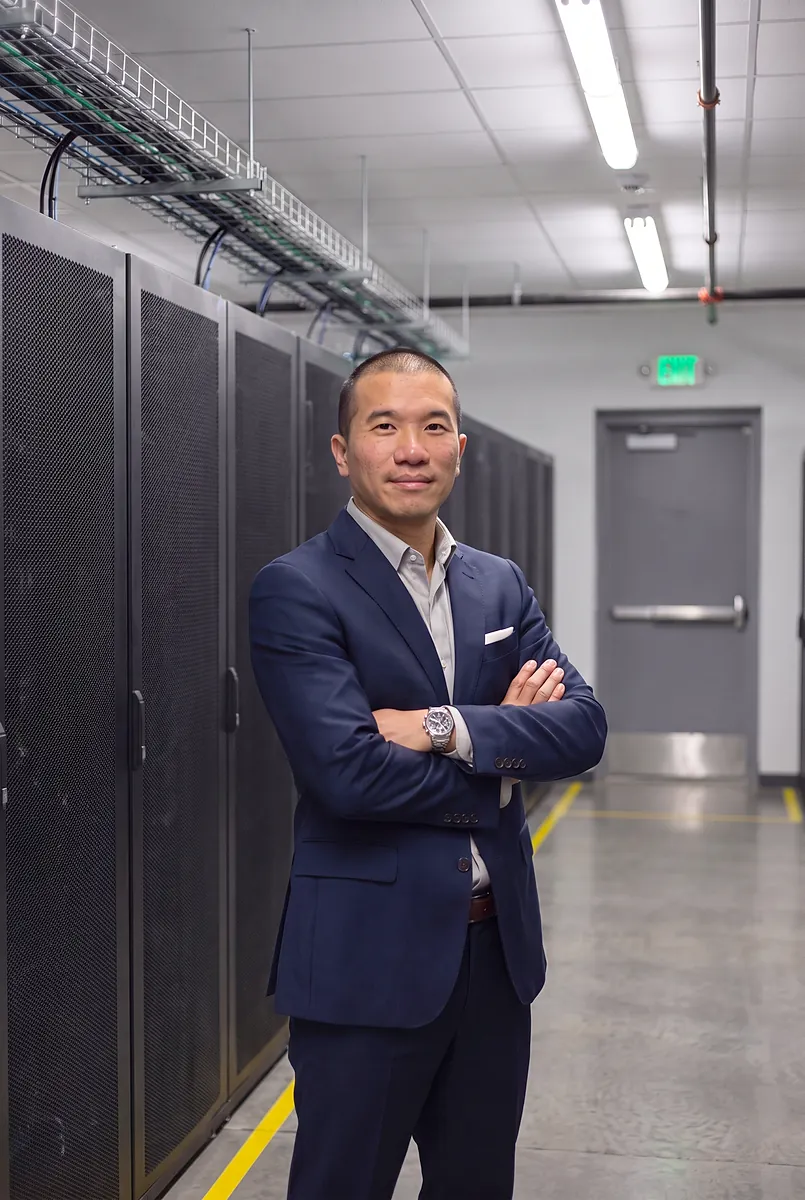
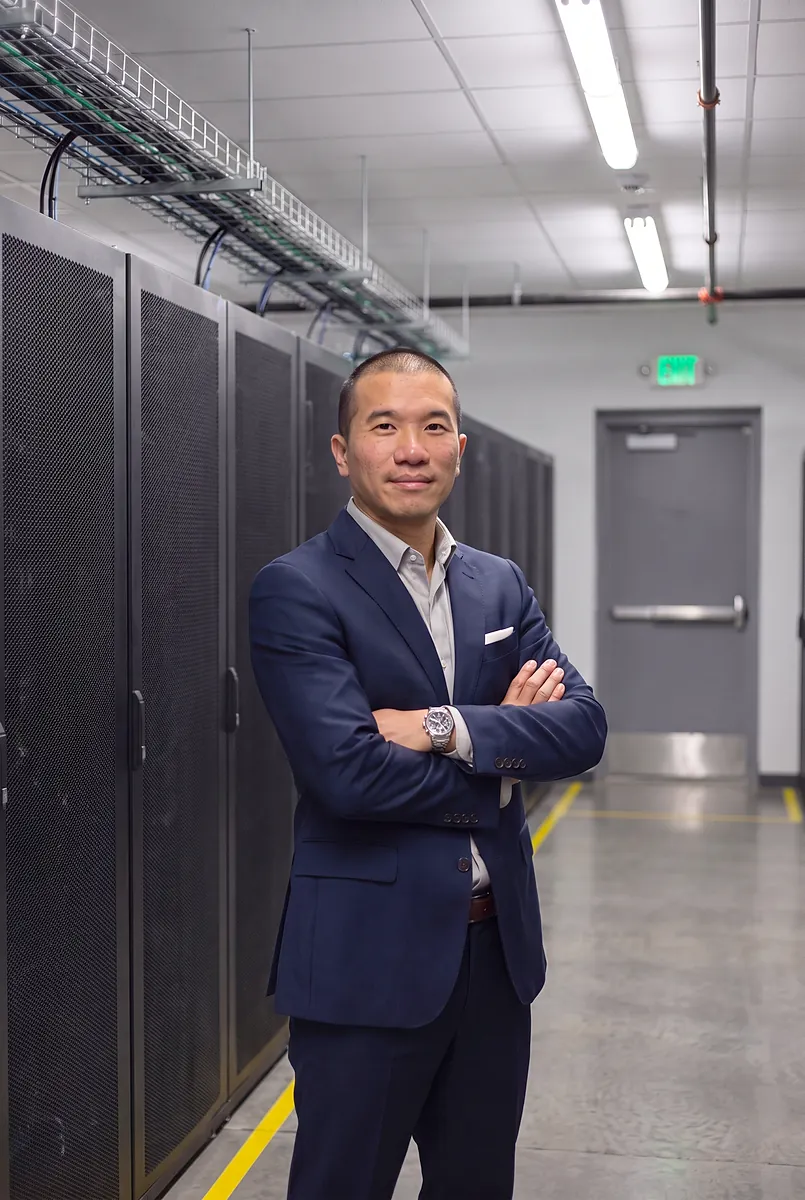
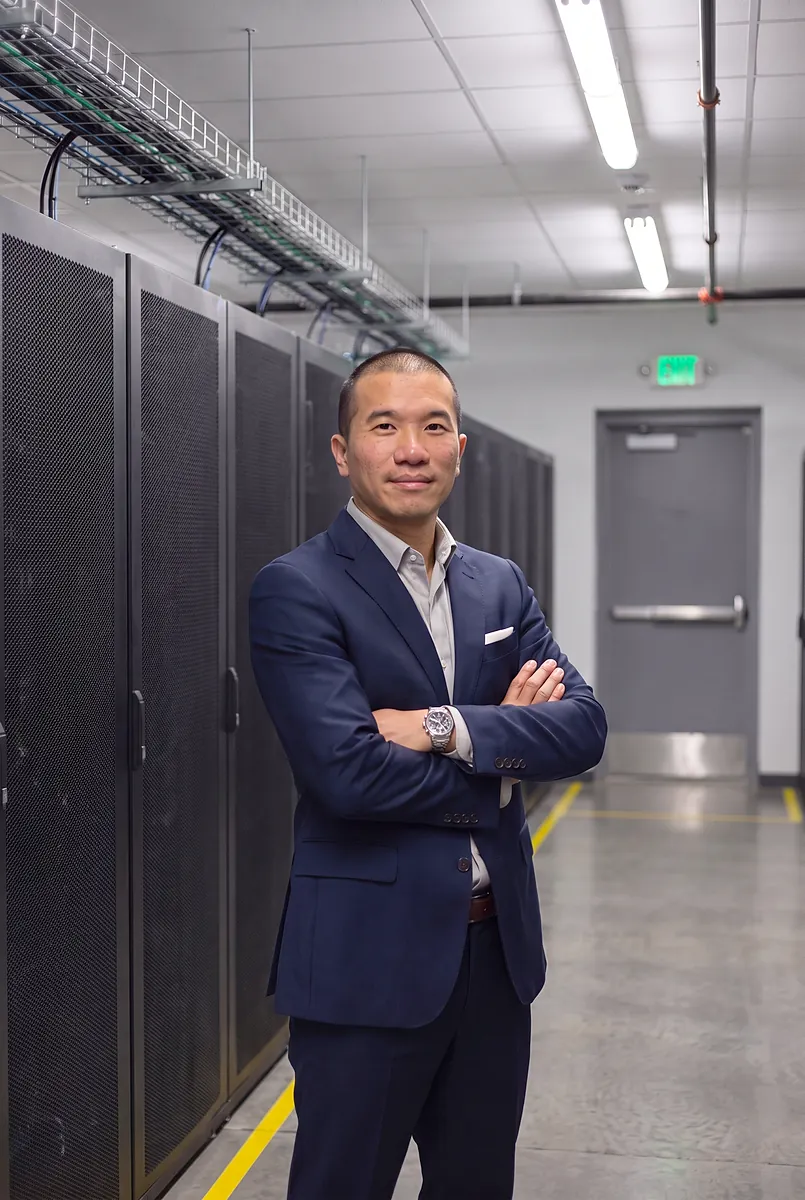
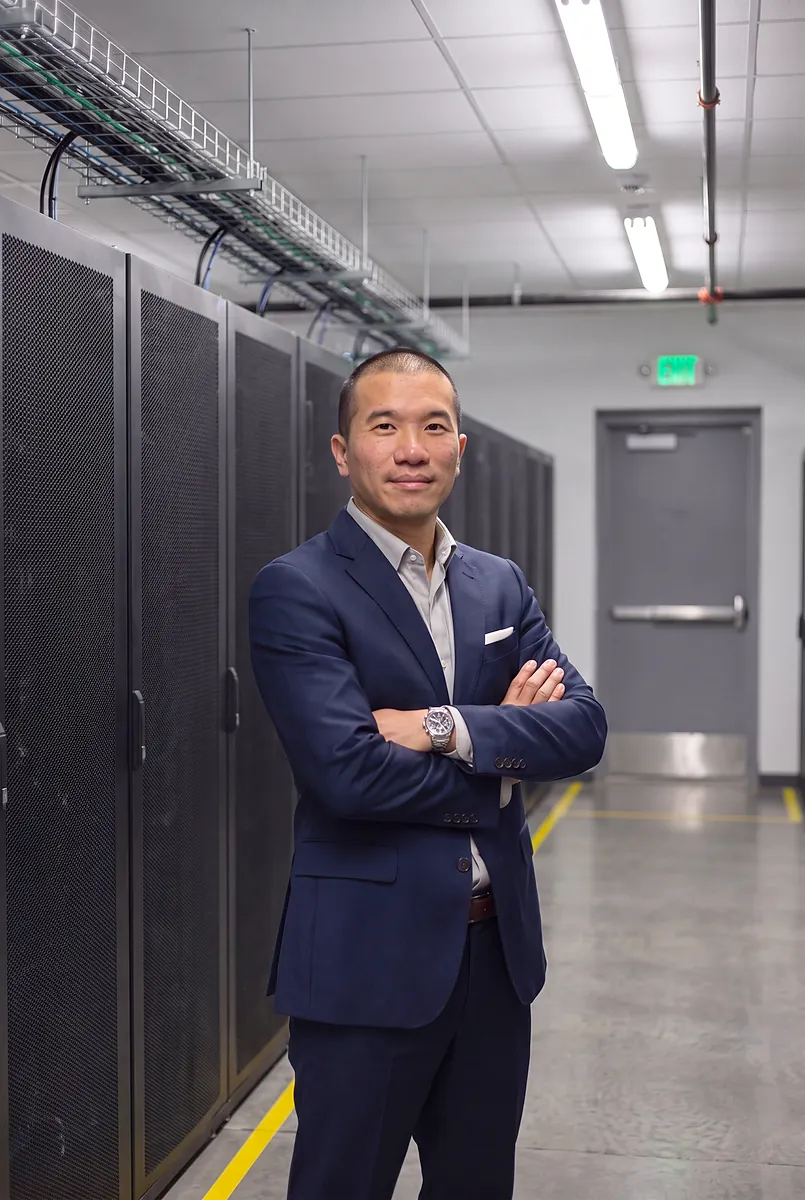
I'm Jimmy. I have worked in data at Fortune 500 companies, as a data analyst, a data engineer and a software engineer, and I am trained in data science. I am also a Canadian military veteran, where I specialized in data analysis and reporting.
Are you selling your data? We are your broker and technical advisor. We get you the best price, and we guide your team through the technical side, so your data stays private.
Are you buying data for an AI lab? We find the right data for you and see it through to delivery, so you can focus on advancing AI research.
The first yes comes from the person who signs.
Your articles of incorporation and your bylaws say who can sign contracts for the company, and an LLC uses its operating agreement for the same job.
In a small company, this is often the owner or the CEO, but some documents set a dollar limit or ask for a second signature.
So read these documents before the offer arrives, not after you have already said yes.
Once you know who signs, the next yes comes from your board.
In many states, the board approves a major sale with a written resolution, and the shareholders vote as well when the sale covers all or most of the company's assets.
A license of your data is seldom that big, but your own documents can set a lower bar, so check what they say.
State rules differ, which is why your lawyer needs to confirm this for your company.
After the board, your investors may need to say yes, if you have any.
In venture deals, the company charter often lists major actions, such as selling or licensing important intellectual property, that need the investors' approval first.
Then your lender may have a say too, because a blanket lien can reach intangible assets, and loan agreements often limit what you can sell.
The same goes for key customer contracts, so ask each of them early, and ask in writing.
Next, your clients and your team come in.
Data that your clients gave you under a written promise to keep it private is usually not yours to license, so we leave that data out of the license, and it is never shared.
Your employees wrote the emails and chats, so tell them yourself before they read about it somewhere else, which I covered in an earlier video.
Last of all, your own lawyer says the final yes, after confirming who has the authority and reading the contract before you sign.
I am not a lawyer and I do not give legal advice, so this step is yours.
Nothing moves until your team signs off, and that includes your lawyer.
Now, a closing company works differently, because in bankruptcy the owner no longer decides alone.
A trustee runs the sale, and the court has to approve it.
If the company once promised its customers that it would not share their personal details, the court first appoints a consumer privacy ombudsman to advise it, as the law requires.
So if your company is closing, the list of who says yes starts with the trustee.
So here is your approval list in one place.
First, who can sign. Second, whether the board needs to pass a resolution. Third, whether your investors have a say.
Next, your lender and key customer contracts, then your clients and your team, and finally your lawyer.
If you have all 6 yeses lined up, you are ready for an offer, and you will not be surprised by a person you forgot.
That approval list is where I start, as your broker and technical advisor.
As your broker, I bring your data to several AI companies and AI labs so they bid against each other, and I work through the terms with you, and you make the final call.
As your technical advisor, I guide your team through the export, and we de-identify your data beyond names before any AI company sees it.
I help you line up the yeses first, so nothing is held up later, and nothing moves until your team signs off.
There is no retainer and no hourly bill, because I am paid from the closed deal, and only if it closes.
So before you answer that offer, ask yourself who else still has to say yes, and write their names down today.
If you run a company with 30 or more people, the data you already have could become a new revenue stream. You can find out if yours qualifies, for free, at AITrainingDataBroker.com.
If you have further questions, leave them in the comments, and I will answer them in the next video.
Thank you for watching, and I will see you next time.
More slides
AITrainingDataBroker.com
Your questions on
selling or licensing
company data to AI
6 questions from company owners, answered one by one
Jimmy Lin
AITrainingDataBroker.com
The $10 million
Spirit Airlines
data sale
What a bankrupt airline's data sale teaches every owner thinking about licensing.
Jimmy Lin
AITrainingDataBroker.com
Is your company's
data too messy
to sell or license?
Duplicates, half-empty fields, files named final_v3. Here is what AI companies care about.
Jimmy Lin