Can You Sell or License Your Customer List to AI? What They Want Instead
AITrainingDataBroker.com
Can you sell
your customer list
to AI companies?
A reader asked, so you buy contact lists? Here is the real answer
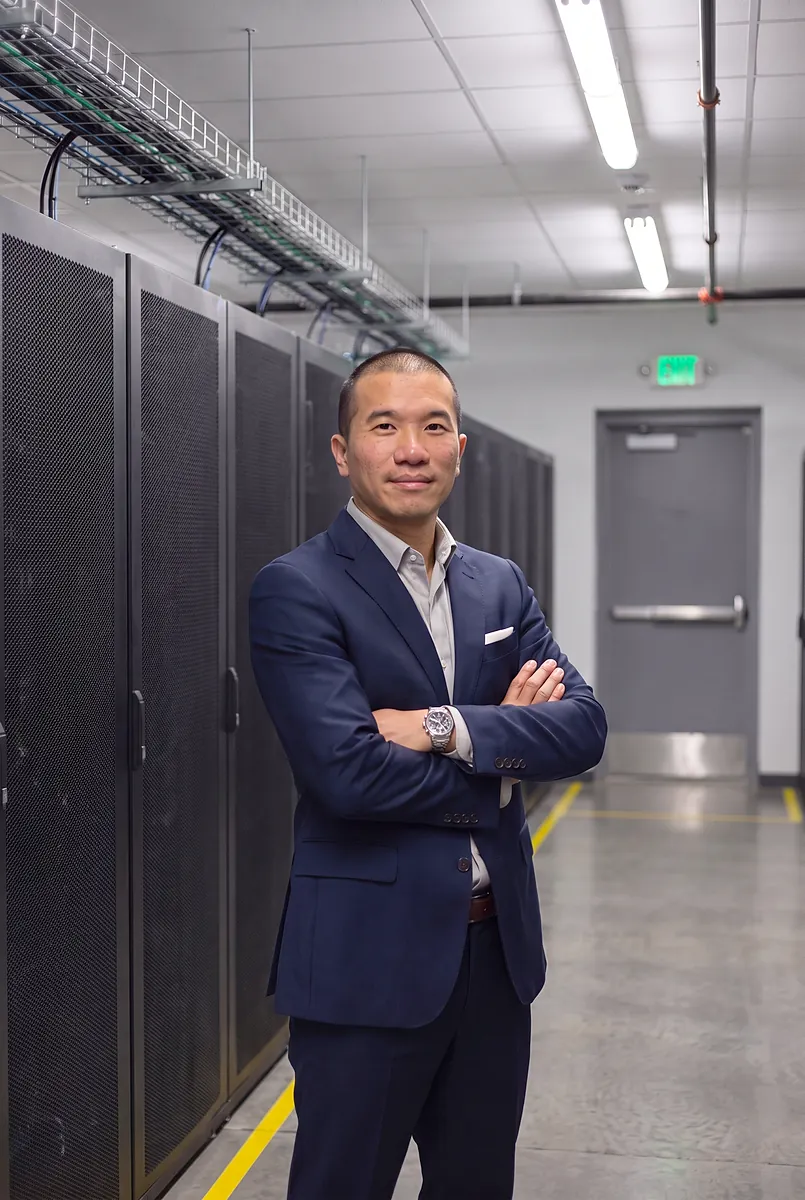
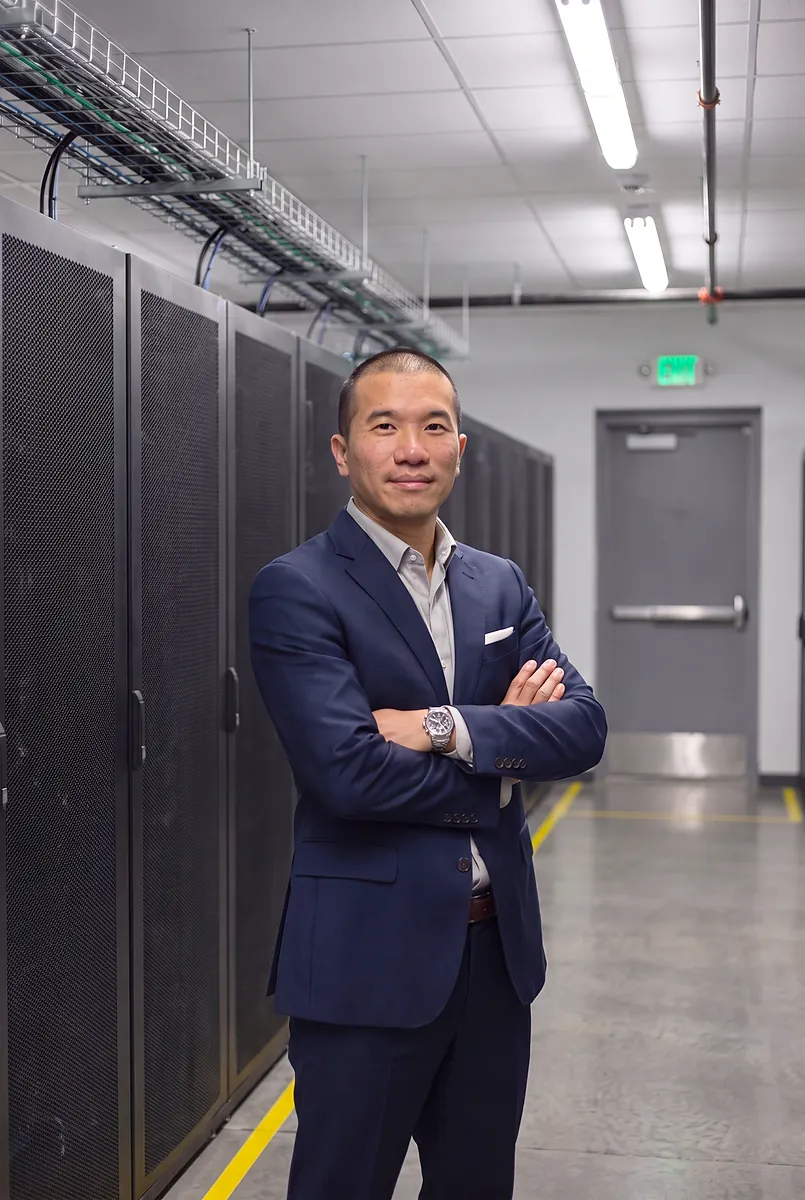
Jimmy Lin
Can you sell your customer list to AI companies?
A reader of my emails asked me a simple question: so you buy contact lists? The answer is no, and it is the most common misunderstanding about what I do.
In this video, I will explain why AI companies are not after your customer list or your contact list, and what they learn from instead.
First, a quick look at what a customer list really is.
The video
Full script
A reader of my emails asked me a simple question: so you buy contact lists? The answer is no, and it is the most common misunderstanding about what I do.
In this video, I will explain why AI companies are not after your customer list or your contact list, and what they learn from instead.
First, a quick look at what a customer list really is.
A customer list is names, emails, phone numbers and addresses, and it is the information about who you sell to.
Company work data is different, because it shows how your team does the work: the emails, the chats, the tickets and the documents.
Before we compare them, let me tell you who I am.
I'm Jimmy. I have worked in data at Fortune 500 companies, as a data analyst, a data engineer and a software engineer, and I am trained in data science. I am also a Canadian military veteran, where I specialized in data analysis and reporting.
Are you selling your data? We are your broker and technical advisor. We get you the best price, and we guide your team through the technical side, so your data stays private.
Are you buying data for an AI lab? We find the right data for you and see it through to delivery, so you can focus on advancing AI research.
Open up a customer list or a contact list, and you will find mostly 3 things.
Names, which tell you who bought from you, contact details, which tell you how to reach them, and personal details about real people.
A list can be very useful to a sales team, but it does not show how your work gets done, and that is what an AI learns from.
So why is a list not what this is about? There are 3 reasons.
First, a list does not teach an AI how work is done, and training an AI on work means learning from the work itself.
Second, a list is personal information about real people, and privacy rules in many places limit sharing it, so you should ask your own lawyer before you share one with anyone.
Third, your customers gave you their details to do business with you, and sharing them can break their trust.
What do AI companies learn from instead? The everyday work of your team.
Think of Slack messages, Outlook emails, Zendesk tickets, Salesforce notes, decision documents and the steps your support and office staff follow.
These show how a request comes in, how it gets handled and how it ends, and that is the experience an AI needs to learn the work.
Let me make that real with a 40-person commercial cleaning company.
A customer emails to say a crew was late, the manager replies with a plan, the supervisor writes down what went wrong, and the customer decides to stay.
What an AI company learns from is the manager's reply, the supervisor's note and how it ended, and it never needs the customer's name or email address.
That is why we leave the customer list out of the license, and the way the team solved the problem goes in.
Before any AI company sees your data, we de-identify it, which means we strip out the customer names, the emails, the phone numbers and the addresses, plus anything else that is private about a person.
That step is part of the deal and is written into the contract, and nothing moves until your team signs off.
So even the work data you do license does not carry your customer list along with it.
This week, you can take 6 steps.
List the systems where your team's work lives, and count how many years of it you keep.
Keep your customer lists and contact lists out of the plan, and note anything private that sits inside your work files.
Then name who can sign for the company, and ask your own lawyer about privacy before you share anything.
That is where I help, as your broker and technical advisor.
As your broker, I bring your work data to several AI companies and AI labs so they bid against each other, I go through the terms with you, and you make the final call.
As your technical advisor, I guide your team through the export, and we strip out the customer names and the private details before any AI company sees it.
On your side, the main job is the export, I am paid only when a deal closes, and nothing moves until your team signs off.
If your company has years of everyday work data, that is what AI companies want, not your customer list.
If you run a company with 30 or more people, the data you already have could become a new revenue stream. You can find out if yours qualifies, for free, at AITrainingDataBroker.com.
If you have further questions, leave them in the comments, and I will answer them in the next video.
Thank you for watching, and I will see you next time.
More slides
AITrainingDataBroker.com
Refer a company,
earn a fee when
its data deal closes
Yes, I take referrals, and here is exactly how they work
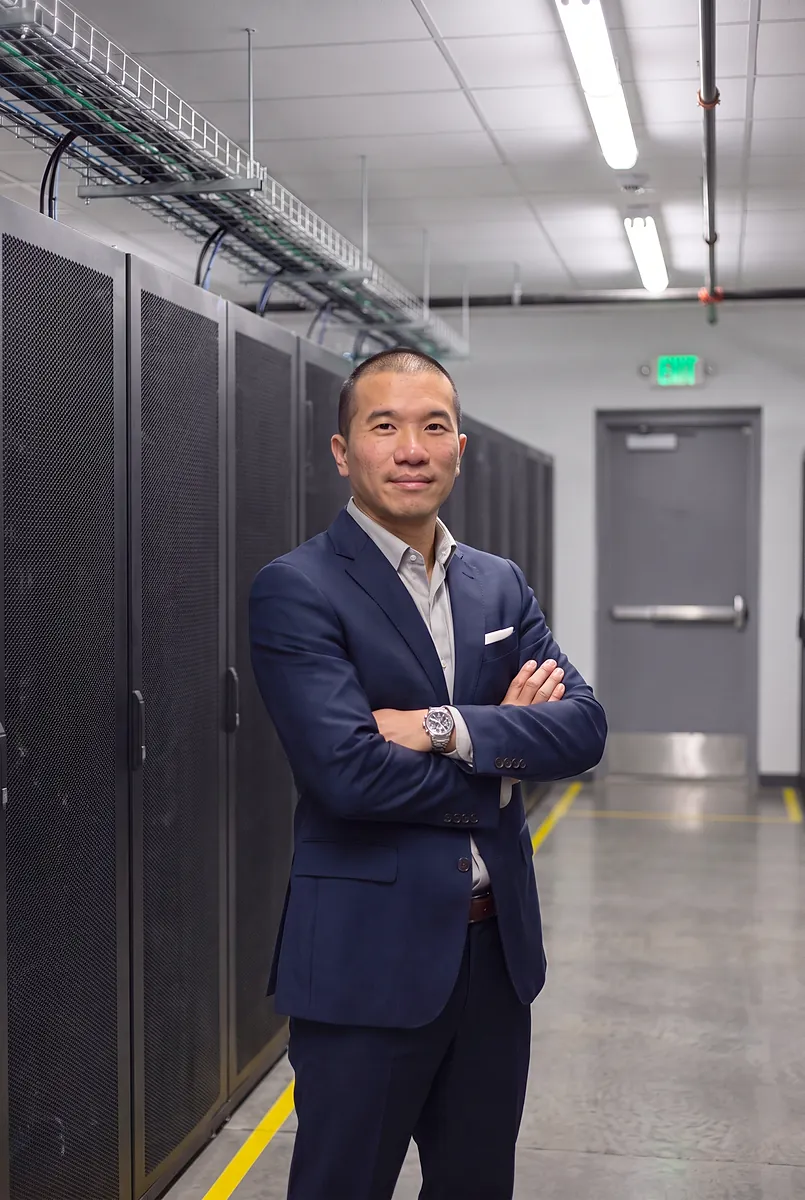
Jimmy Lin
AITrainingDataBroker.com
What are AI evals?
Why AI companies
need your data
An eval is the exam an AI sits before anyone trusts it with real work
Jimmy Lin
AITrainingDataBroker.com
Your questions on
selling or licensing
company data to AI
6 questions from company owners, answered one by one
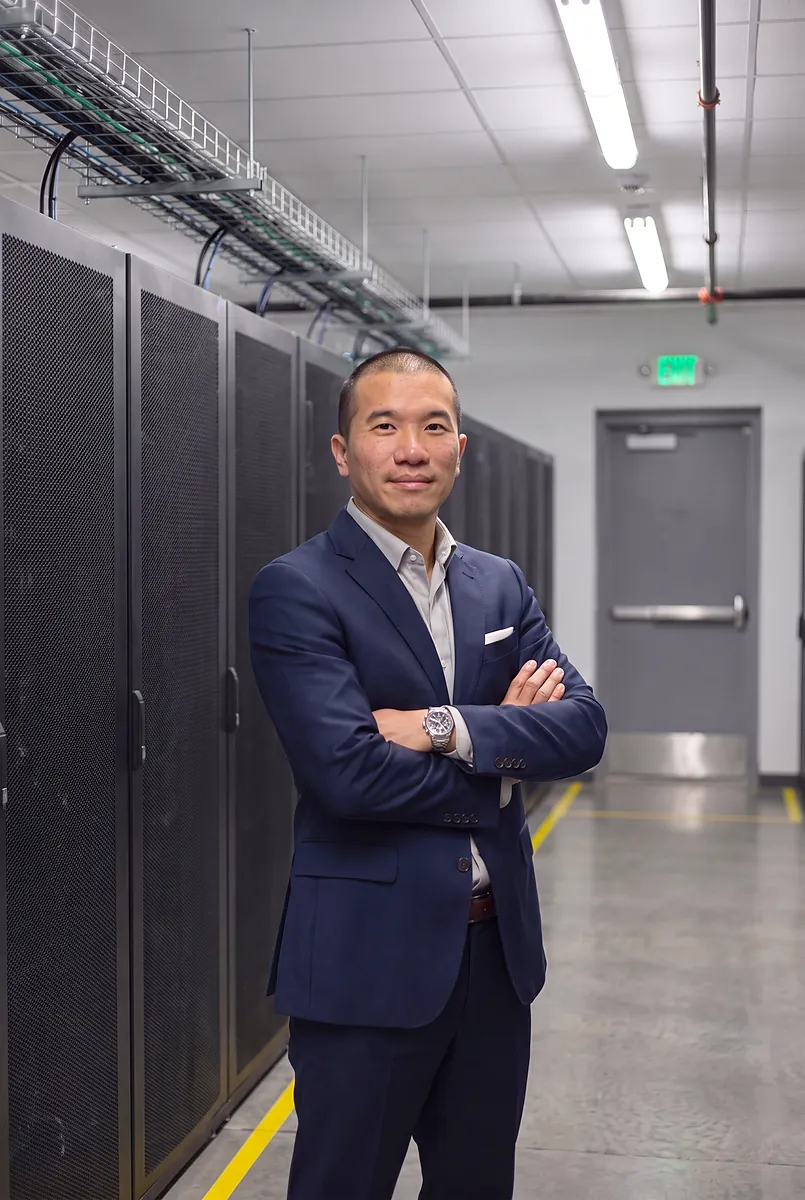
Jimmy Lin