What Are AI Evals? Why AI Companies Need Your Company's Data
AITrainingDataBroker.com
What are AI evals?
Why AI companies
need your data
An eval is the exam an AI sits before anyone trusts it with real work
Jimmy Lin
What are AI evals? Why AI companies need your data
Before an AI company lets its AI draft your quotes or answer your customers, it makes the AI sit an exam, and that exam has a name: an eval.
In this video, I will explain what AI evals are in plain words, and why real company data is what makes a good one.
First, let me show you what an exam for an AI looks like.
The video
Full script
Before an AI company lets its AI draft your quotes or answer your customers, it makes the AI sit an exam, and that exam has a name: an eval.
In this video, I will explain what AI evals are in plain words, and why real company data is what makes a good one.
First, let me show you what an exam for an AI looks like.
An eval, which is short for evaluation, is simply a test for an AI, made of real tasks and a clear idea of what a good result looks like.
The AI does the tasks, a person or a program scores the results, and the lab learns where the AI is strong and where it still fails.
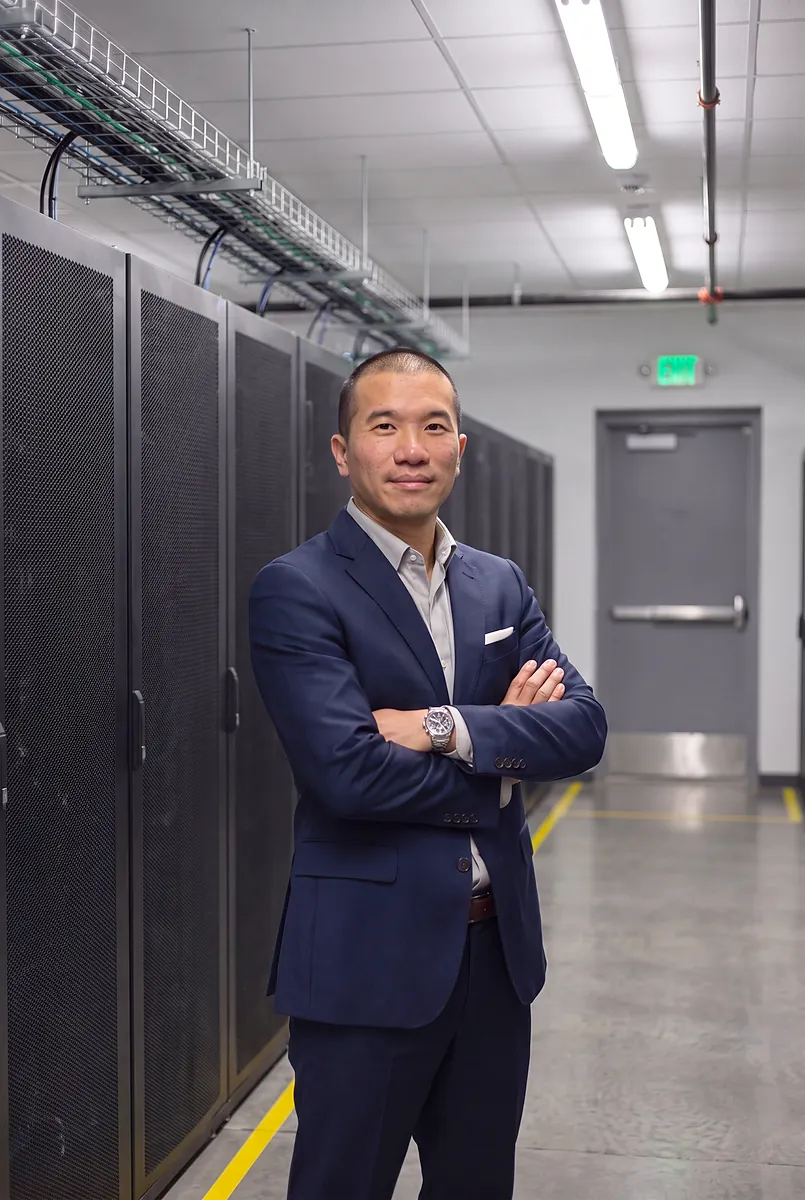
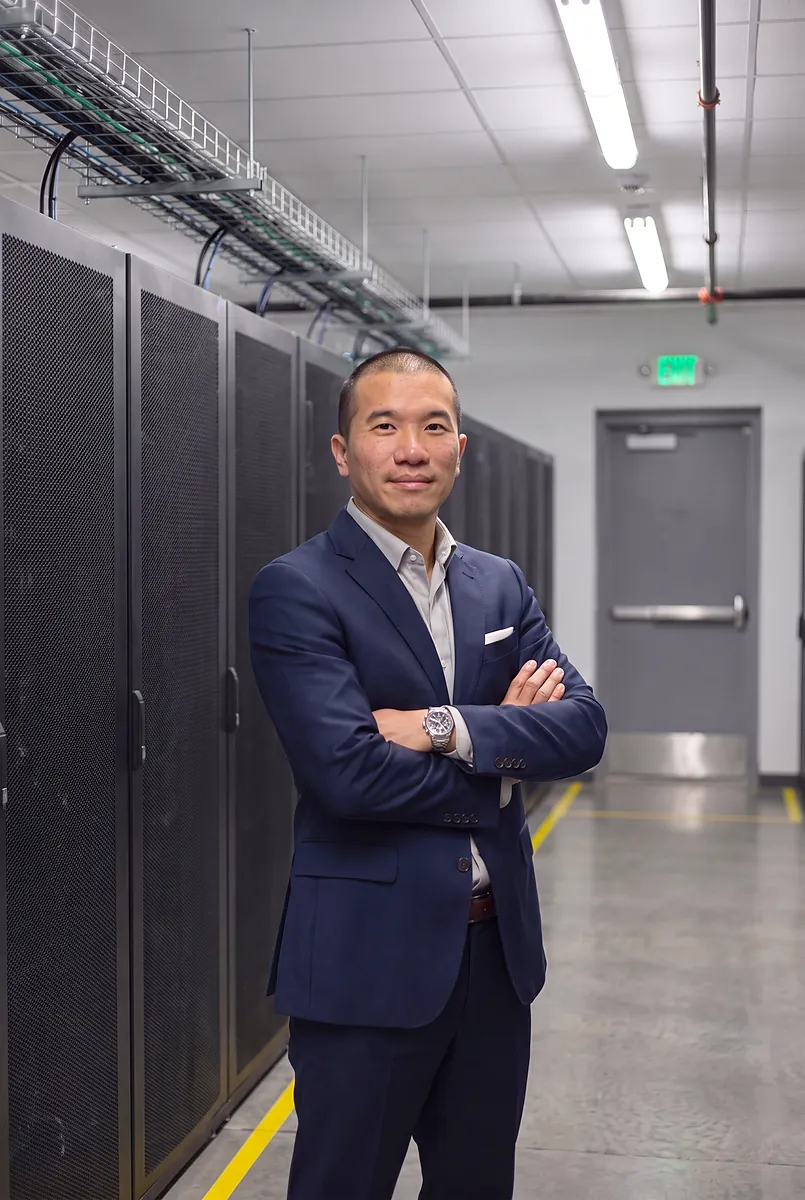
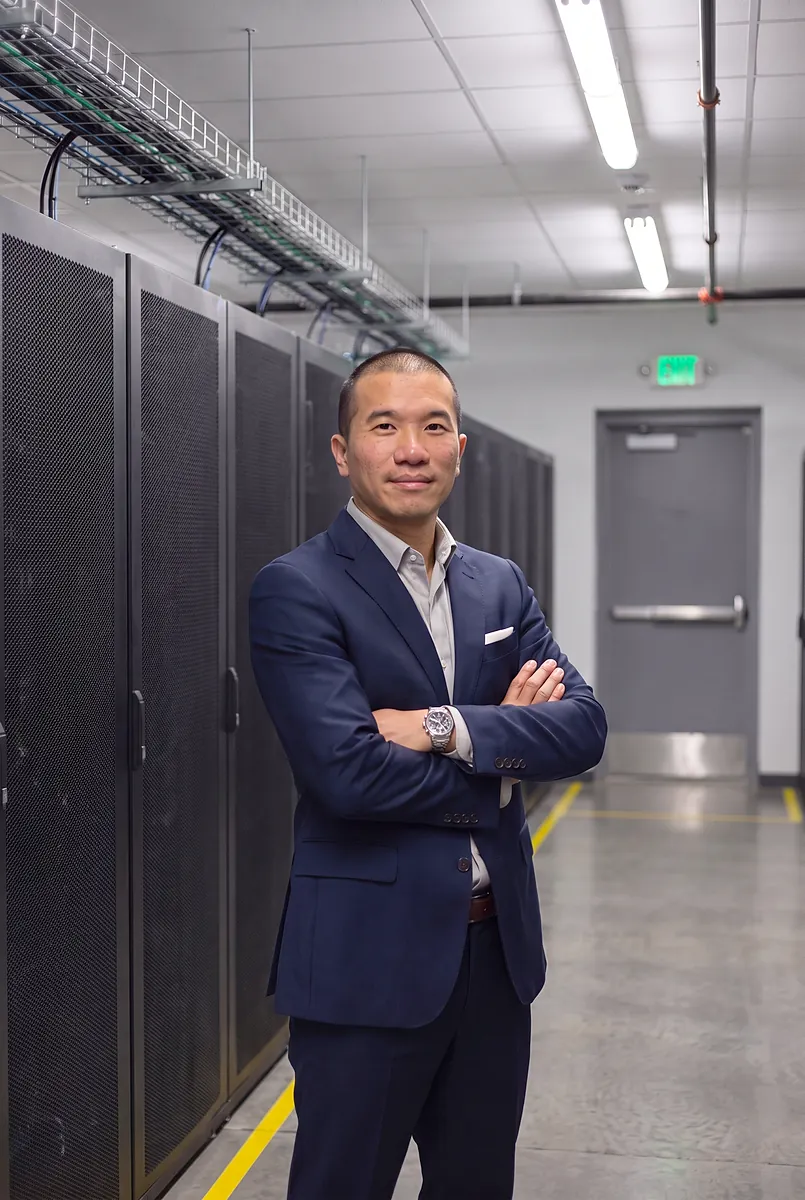
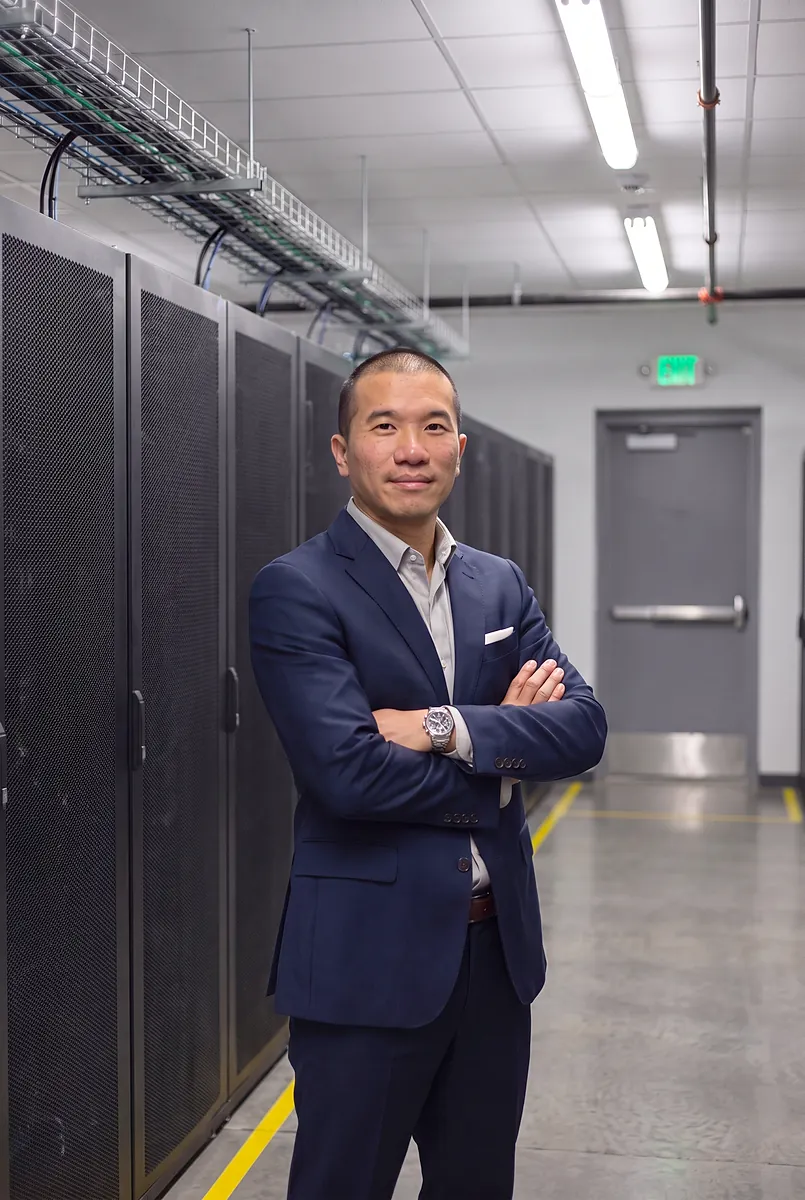
To explain why that matters to your company, I should first tell you who is talking.
I'm Jimmy. I have worked in data at Fortune 500 companies, as a data analyst, a data engineer and a software engineer, and I am trained in data science. I am also a Canadian military veteran, where I specialized in data analysis and reporting.
Are you selling your data? We are your broker and technical advisor. We get you the best price, and we guide your team through the technical side, so your data stays private.
Are you buying data for an AI lab? We find the right data for you and see it through to delivery, so you can focus on advancing AI research.
How is an exam for an AI made? There are 5 steps, and none of them needs a scientist to explain.
First, the lab picks real tasks, like replying to a customer or checking a quote, and second, it writes down what a good result looks like.
Third, the AI tries the tasks, and fourth, someone scores the work.
The fifth step is the useful one, because the scores show exactly where the AI fails, and that tells the lab what to improve next.
Here is a real one. In 2025, researchers published an exam that covers 44 different jobs across the 9 biggest parts of the US economy.
Professionals with an average of 14 years of experience wrote the tasks from work they had really done, and experts judged the AI's results against human work.
The paper reports that top AI models are getting close to experts on some of these tasks, so I expect the next exams to be harder and closer to real work.
What does a good exam need? Mainly 3 things, and a lab can not easily make any of them up.
The first is real tasks, as they actually arrive, like a customer email that leaves out half the details or a request with the wrong date.
The second is a clear idea of what good looks like, and you usually find it in the corrections and comments a manager wrote on a draft.
The third is the hard cases, the exceptions and the work that had to be redone, because an exam with only easy tasks teaches the lab nothing.
Let me make that real with a 30-person insurance agency, which is just one example of an ordinary company.
A client emails to ask which policy covers a new warehouse, an agent drafts a comparison of 3 quotes, and the manager sends it back because the flood exclusion is missing.
The agent fixes it and the final comparison goes to the client, so that whole chain, request, draft, correction and final, is one exam question with the fix that shows what good looks like.
An agency like this has thousands of them, and an AI lab can not write that many real ones from scratch.
What in your own company could help build an exam like that? Look for 6 things.
Start with drafts and their final versions, and the comments your managers wrote in between, because those comments show what was wrong and how it was fixed.
Then add your replies to complaints, the work that had to be redone, your checklists and procedures, and the odd cases that did not fit the usual way.
Most companies already keep these in email, shared folders and ticket systems, so the data exists today, and the question is which part is worth licensing.
That is where I come in, as your broker and technical advisor.
As your broker, I bring your data to several AI companies and AI labs so they bid against each other, I work through the terms with you, and you make the final call.
As your technical advisor, I guide your team through the export, and we de-identify your data, which means we strip out the client names, the policy numbers and the prices before any AI company sees it.
On your side, the main job is exporting the data, I am paid only when a deal closes, and nothing moves until your team signs off.
If your company has years of drafts, corrections and final work, you may be holding exactly what AI companies need to build their next exams.
If you run a company with 30 or more people, the data you already have could become a new revenue stream. You can find out if yours qualifies, for free, at AITrainingDataBroker.com.
If you have further questions, leave them in the comments, and I will answer them in the next video.
Thank you for watching, and I will see you next time.
More slides
AITrainingDataBroker.com
Your questions on
selling or licensing
company data to AI
6 questions from company owners, answered one by one
Jimmy Lin
AITrainingDataBroker.com
Who has to approve
selling or licensing
company data?
The list of who has to say yes, before an AI company sees a single file
Jimmy Lin
AITrainingDataBroker.com
The $10 million
Spirit Airlines
data sale
What a bankrupt airline's data sale teaches every owner thinking about licensing.
Jimmy Lin