How to Get the Most Money for Your Company's Data from AI Companies
AITrainingDataBroker.com
How to get
the most money
for your data
Same kind of data, very different offers. Here is what decides the price.
Jimmy Lin
How to get the most money for your data
Hello, everyone. Picture 2 companies in the same industry, with the same number of people, and the same kind of data sitting on their servers.
Both license that data to AI companies, and yet one of them walks away with far more money than the other.
The difference is not usually the data itself, because it comes down to a handful of choices the owner makes before anyone signs.
In this video, I will walk you through those choices one at a time, so you know which ones are yours to make.
The video
Full script
Hello, everyone. Picture 2 companies in the same industry, with the same number of people, and the same kind of data sitting on their servers.
Both license that data to AI companies, and yet one of them walks away with far more money than the other.
The difference is not usually the data itself, because it comes down to a handful of choices the owner makes before anyone signs.
In this video, I will walk you through those choices one at a time, so you know which ones are yours to make.
Here is a company that got this right. Shutterstock, the stock photo site, earned about $104 million in 2023 from licensing its library to AI companies.
Notice what it did not do, because it never sold the library and never tied it to one AI company.
It licensed the same library to several of them, and it kept selling photos to its usual customers the whole time.
Your company is not Shutterstock, but the same ideas apply to your data. Before we get to them, let me tell you who I am.
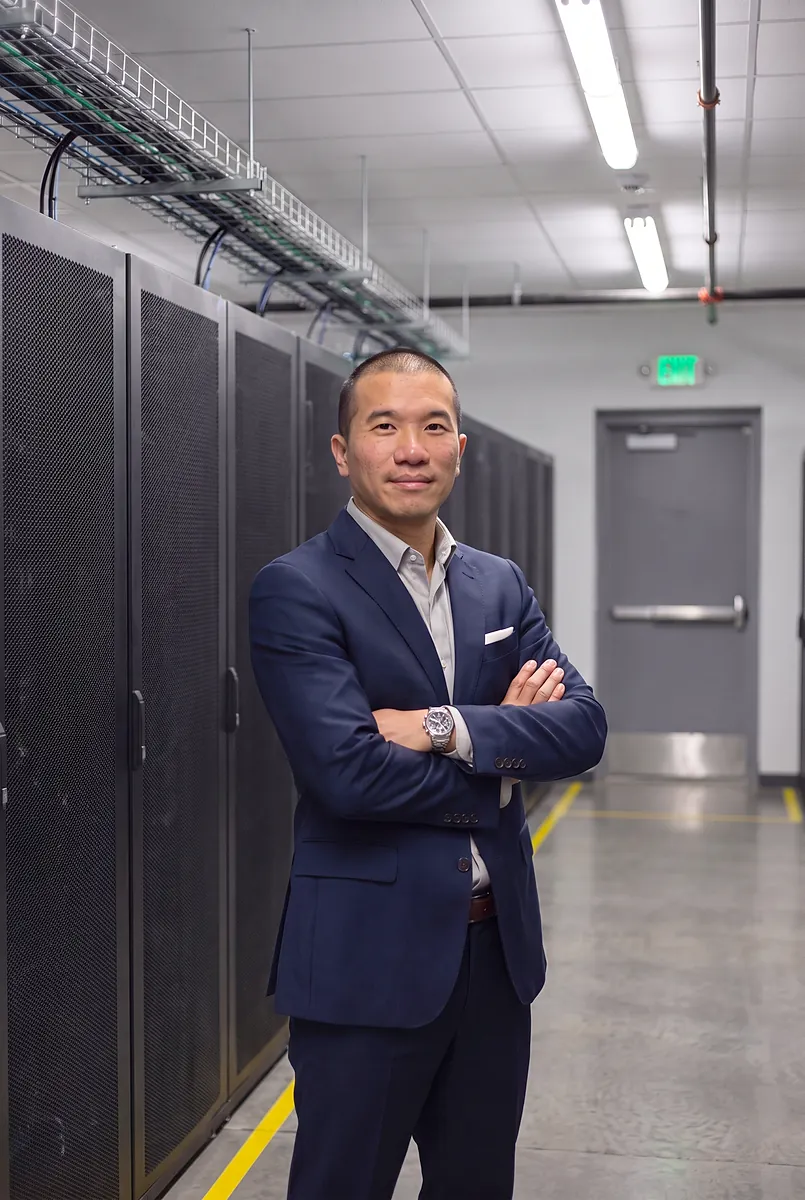
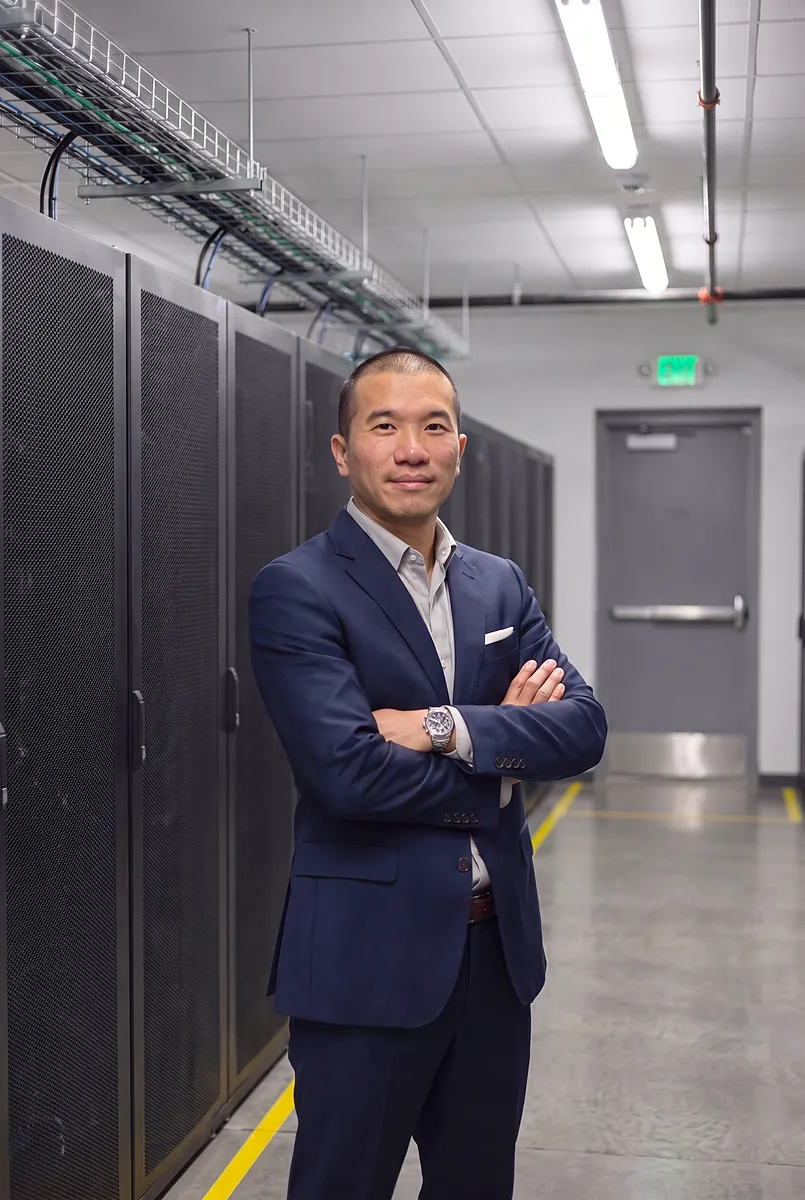
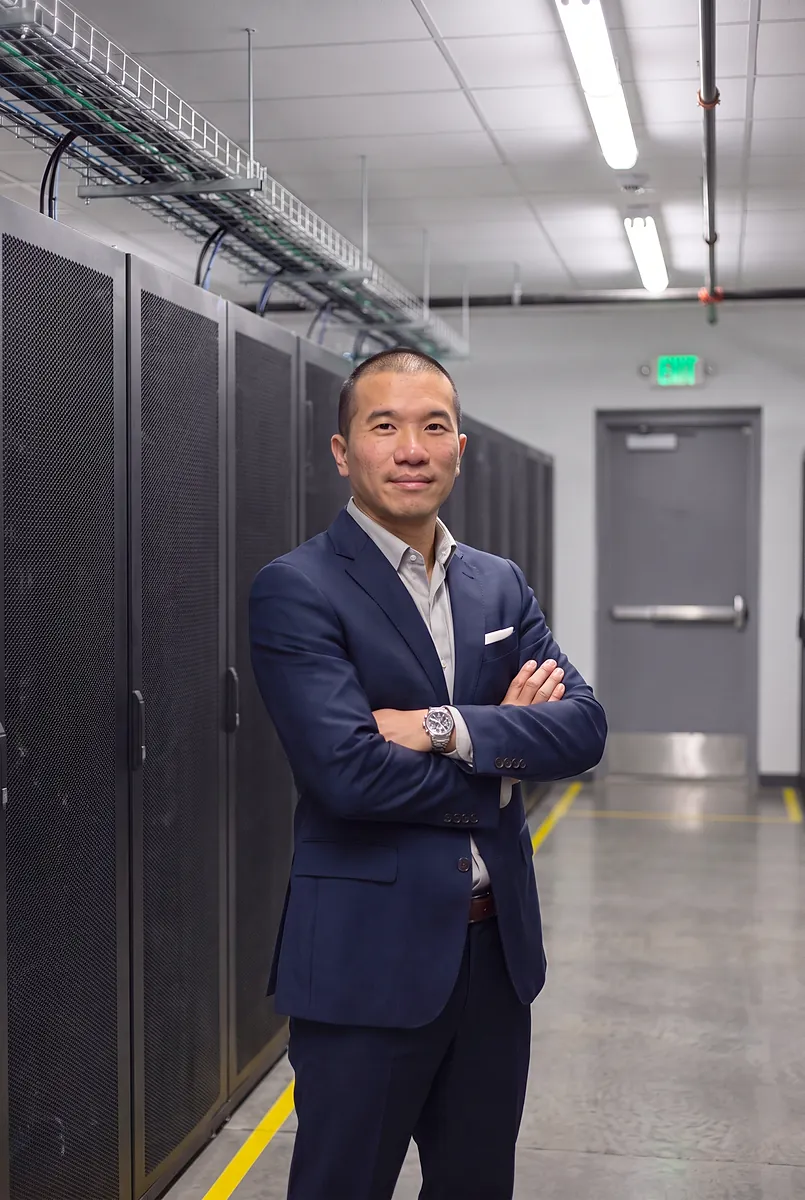
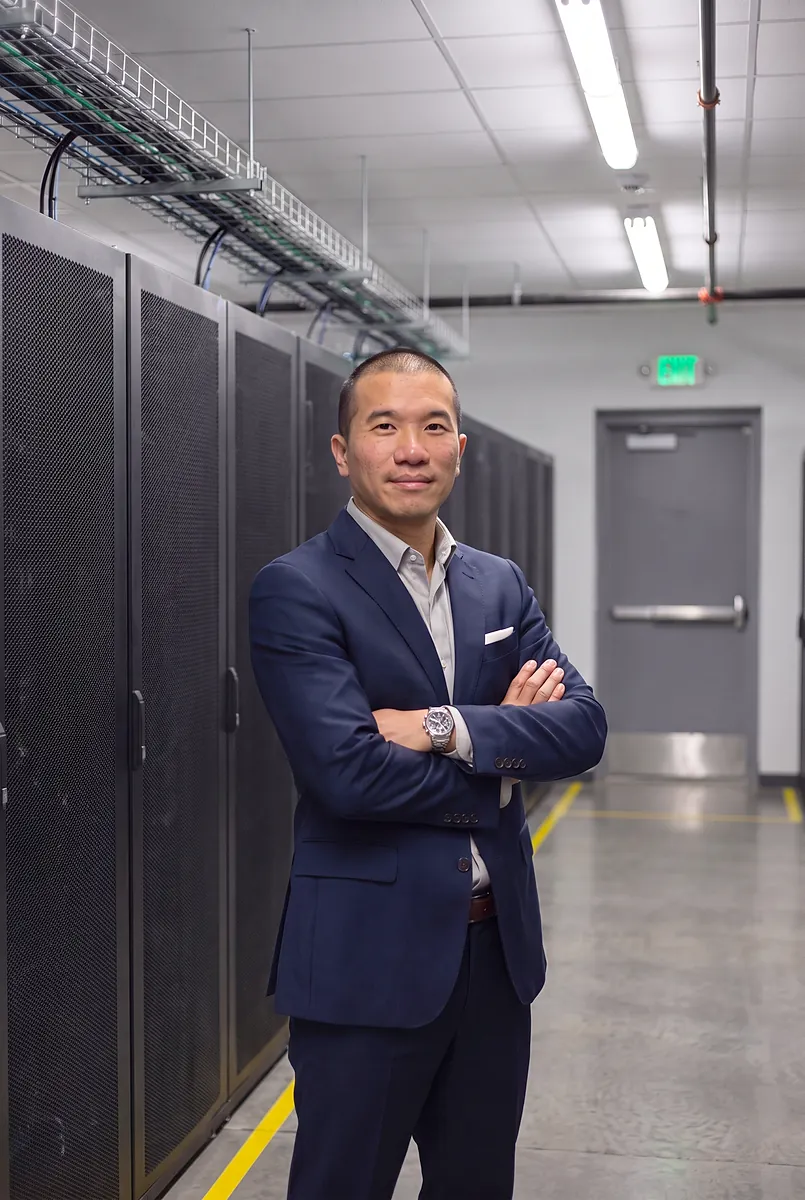
I'm Jimmy. I have worked in data at Fortune 500 companies, as a data analyst, a data engineer and a software engineer, and I am trained in data science. I am also a Canadian military veteran, where I specialized in data analysis and reporting.
Are you selling your data? We are your broker and technical advisor. We get you the best price, and we guide your team through the technical side, so your data stays private.
Are you buying data for an AI lab? We find the right data for you and see it through to delivery, so you can focus on advancing AI research.
The first choice is what you hand over, and the rule is simple: keep the whole story together.
Picture an insurance agency with 25 people renewing a client's policy, where the emails on their own show only part of the work.
Put the emails next to the quote, the policy and the result, whether the client said yes or left, and AI companies can see how the work was done and how it ended.
Going back to 2014 instead of the last 2 years adds even more, because more years means more examples of the same work.
Next comes how ready your data is when an AI company first looks at it.
A 2022 survey by Anaconda found that data scientists spend about 38% of their time preparing and cleaning data, before any real work starts.
Every hour your data saves them is worth something, which is why data that is ready to use earns a stronger offer than a raw pile of files.
In practice, that means we de-identify your data, organise it by type and year, and describe what is inside, all before any AI company sees it.
Now for the choice that made Shutterstock its money, which is how many AI companies get your data.
Without exclusivity, you can license the same data to several AI companies, and each license brings in its own payment.
Some AI companies will ask to be the only one, and that can be a fair trade, but only for a set term and only at a premium.
The right to use the data usually lasts, but exclusivity should always have an end date, after which you can license that data again.
After that, you decide how you get paid, and the honest answer depends on whether you are in a hurry or patient.
Money up front is simple and quick, which suits an owner who needs cash now or is winding down the company.
Payments over time, or a fresh license each year as new data comes in, can add up to more, and a mix gives you some of both.
Whichever you prefer, ask more than one AI company to make an offer, because one offer on its own tells you very little.
Here are all of those choices in one place, and you can pause the video to note them down.
Keep the whole story with the outcome and the years, then make the data ready by de-identifying, organising and describing it.
Decide whether it goes to several AI companies or to one for a set term, pick how you want to be paid, and get more than one offer.
None of this promises a number, because every deal is different, but each choice pushes the offer in your favour.
And every one of those choices is part of my job, as your broker and technical advisor.
As your broker, I bring your data to several AI companies and AI labs, line up their offers side by side, and work through the terms with you, and you make the final call.
As your technical advisor, I guide your team through the export, and we de-identify and organise your data before anyone sees it.
My interests line up with yours, because a bigger deal for you is a bigger deal for me, and I am paid only when it closes.
To sum it up, the data sets the starting point, but your choices decide how much it earns.
If you run a company with 30 or more people, the data you already have could become a new revenue stream. You can find out if yours qualifies, for free, at AITrainingDataBroker.com.
If you have further questions, leave them in the comments, and I will answer them in the next video.
Thank you for watching, and I will see you there.
More slides
AITrainingDataBroker.com
Can your sales team's
CRM data
be sold or licensed?
Every quote, follow-up and lost deal your team logged, and why AI companies want it.
Jimmy Lin
AITrainingDataBroker.com
AI companies want
your support staff's
data
Answering a question from @ashishmehta1691 in the comments.
Jimmy Lin
AITrainingDataBroker.com
Is your company's
data too messy
to sell or license?
Duplicates, half-empty fields, files named final_v3. Here is what AI companies care about.
Jimmy Lin