Can a Manufacturer Sell or License Its Data to AI?
AITrainingDataBroker.com
Can a manufacturer
license its
data to AI?
Quotes, drawing changes, shop floor notes and failed parts: what AI companies may want, and what stays private.
Jimmy Lin
Can a manufacturer license its data to AI?
Hello, everyone. If you run a manufacturing company, every quote you sent, every change to a drawing and every part that failed inspection is saved somewhere, and together they show how your team really makes things.
In this video, I will follow one part through a shop, show what AI companies may want at each step, and explain what has to stay private.
The video
Full script
Hello, everyone. If you run a manufacturing company, every quote you sent, every change to a drawing and every part that failed inspection is saved somewhere, and together they show how your team really makes things.
In this video, I will follow one part through a shop, show what AI companies may want at each step, and explain what has to stay private.
Picture a request for a quote, an RFQ, for 500 aluminum brackets, anodized, due in 3 weeks.
Your estimator prices it in 2 days, mostly from memory, because they have quoted a part like it before, and they remember what went wrong the last time.
That know-how is not only in their head, because it is written down in your old quotes, your job notes and your quality reports.
Before we follow that bracket through the shop, let me tell you who I am.
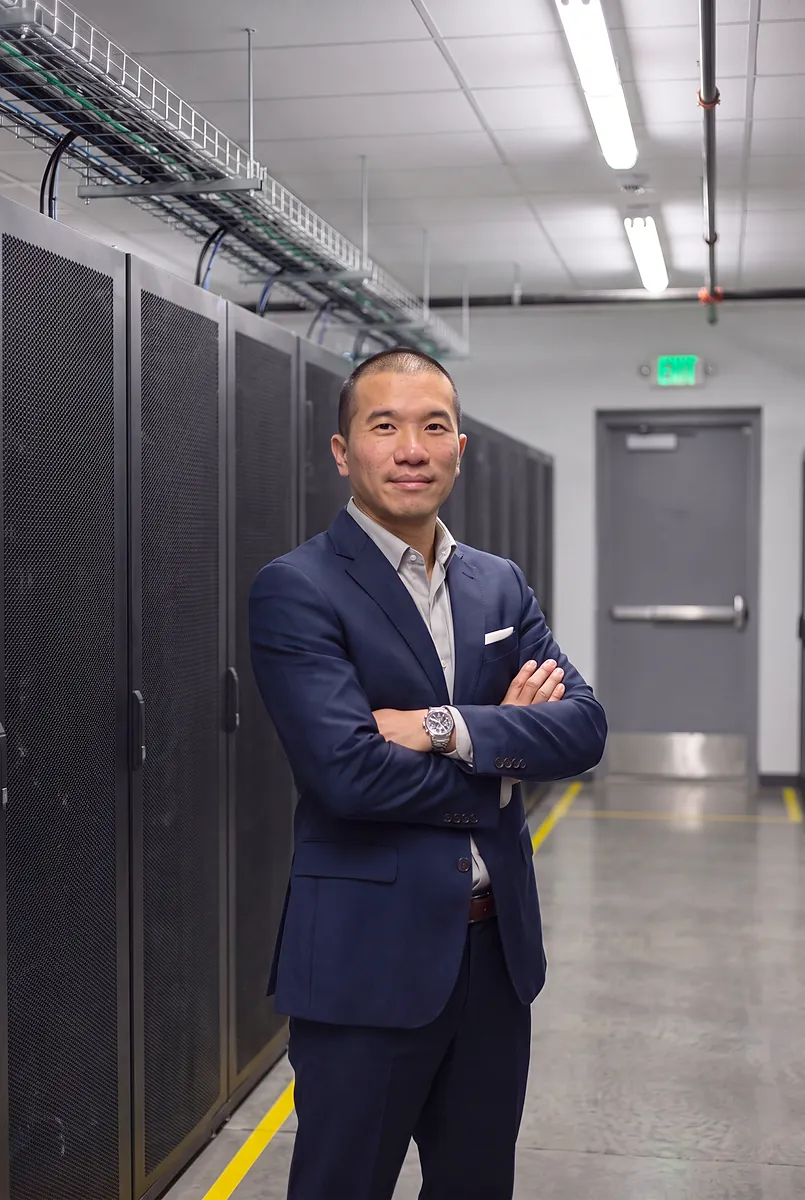
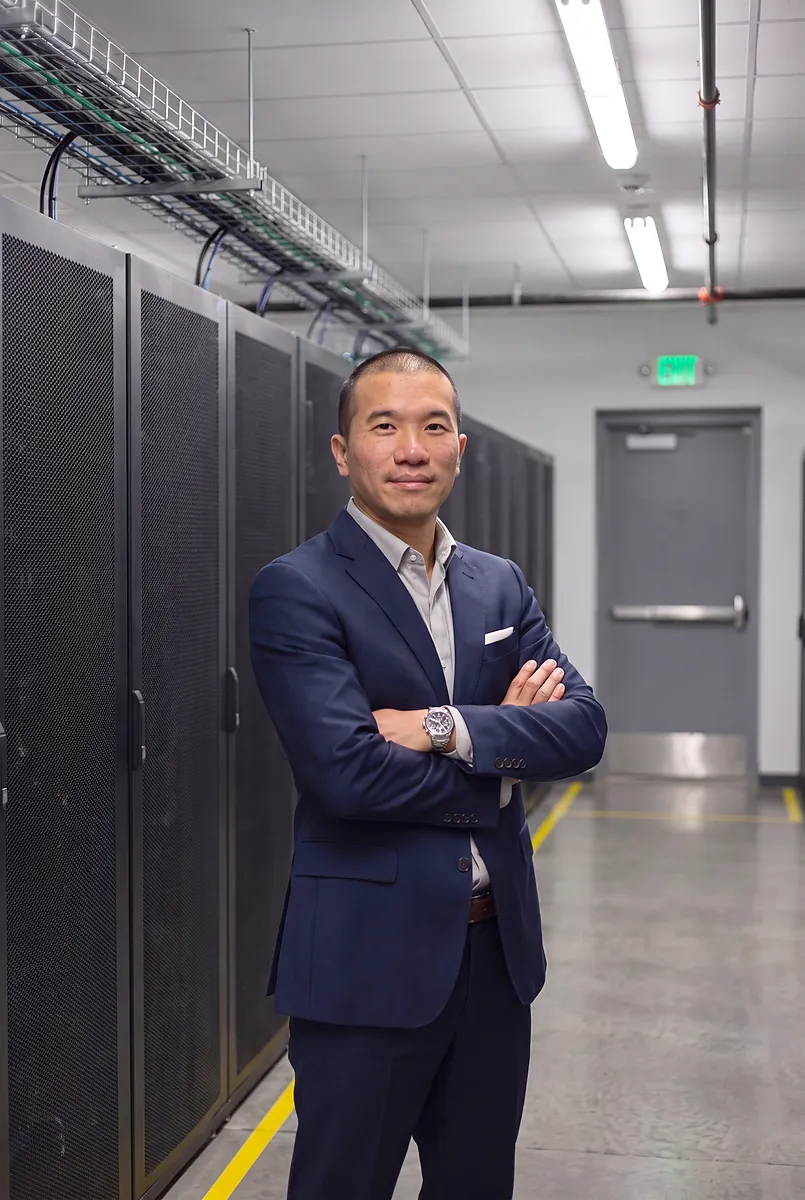
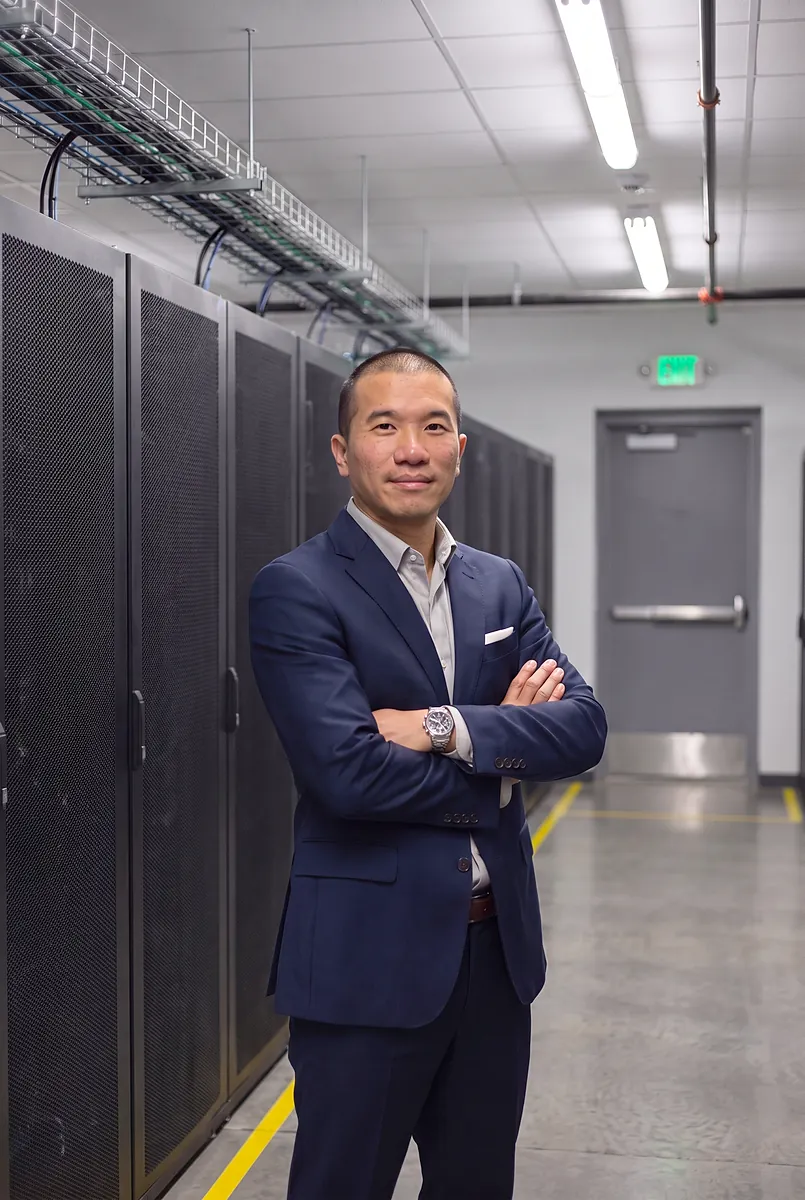
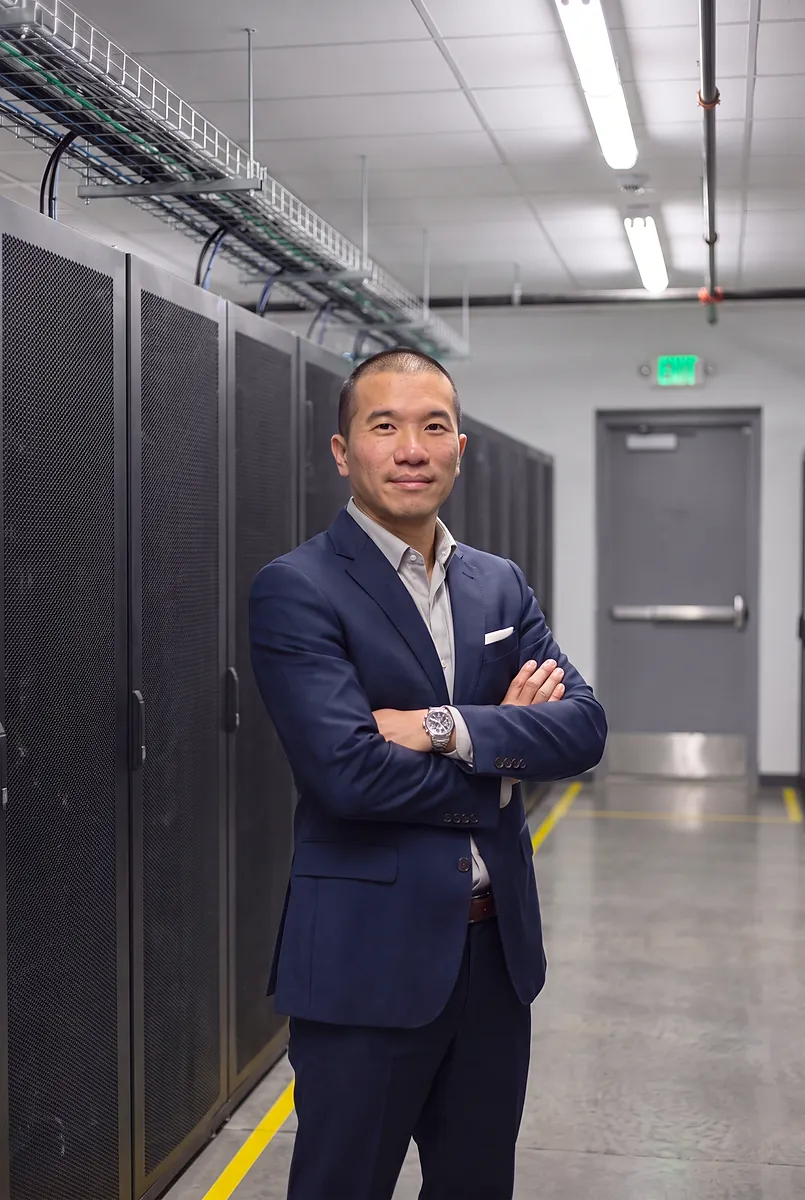
I'm Jimmy. I have worked in data at Fortune 500 companies, as a data analyst, a data engineer and a software engineer, and I am trained in data science. I am also a Canadian military veteran, where I specialized in data analysis and reporting.
Are you selling your data? We are your broker and technical advisor. We get you the best price, and we guide your team through the technical side, so your data stays private.
Are you buying data for an AI lab? We find the right data for you and see it through to delivery, so you can focus on advancing AI research.
So, let us start with the bracket's journey, because every step leaves data behind.
First comes the quote, then a change to the drawing, then the production job with notes from the floor, then the inspection, where some parts fail, and finally the shipment.
Each step is saved in a different system, and when the steps can be linked, an AI company can see the whole story of one part, from the first price to the last box.
First, the quotes. When Caterpillar wanted to know what suppliers would charge for its tube assemblies, it shared its past quotes in a public contest on Kaggle, a data science website, with $30,000 in prizes for the best models.
A 2022 study in the Spanish Accounting Review looked at that contest, and the winning team reached about 81% accuracy, using the history of quotes for similar parts.
Your own quote history, with the price, the lead time and whether you won the job, is the same kind of data, and most manufacturers have years of it.
Next come the engineering changes. A drawing goes from revision B to revision C, and the drawing alone only shows that a hole moved by 2 mm.
The change request shows why it moved, because the wall cracked in testing, and it also shows who approved the fix and what it cost.
That reasoning, a problem, a fix and a trade-off, is what AI companies want to learn from, and you find it in your change requests, not in the final drawing.
Then there are the notes from the floor. Machinists and maintenance techs write short, messy notes, like "mill 3 chatter, swapped the insert, cut the feed 10%".
In 2020, researchers at NIST, the US standards agency, wrote that maintenance staff capture important information about problems and repairs in this kind of informal text, but that it is hard to use because it is full of shop shorthand.
That is exactly why it has value, because an AI company can not learn your shorthand, and the fixes behind it, anywhere else.
Now for the part most companies would rather forget: the parts that failed.
A nonconformance report says what was out of spec and how many parts, the root cause and the fix, for example 38 of 500 brackets out of tolerance because a fixture was worn.
Successful jobs are everywhere, but a written account of what went wrong and how it was fixed is scarce, which is why your quality reports can be worth more than your best jobs.
Now, whose data is it? Your own quotes, job notes, change requests and quality reports are usually yours.
But the drawings often belong to your customers, so we check the purchase order and any NDA first, and if a contract bans sharing, we leave that data out of the license.
Drawings for defense work fall under export rules called ITAR, so they are never shared, and if a supplier contract bans sharing its prices, we leave those prices out as well.
This is not legal advice, so ask your own lawyer.
Before any AI company sees a file, we de-identify your data, which means we strip out the customer names, the purchase order numbers, the prices and the names of your people.
For example, Brenton Valve becomes Customer 31 in every quote, email and report, and Dana Ruiz becomes Engineer 7.
The AI company still sees the full story of the part, so it learns how the work was done, but not who it was for.
And because it is a license, not a sale, you keep your data and keep using it.
Of course, some manufacturers have more to offer than others, so what raises the value?
Years of data in one system count, and so do quotes you can link to the jobs they became, and change requests where the reason is written down.
Failed parts with a root cause count too, along with notes written in words, not only in codes.
And it helps to have 30 or more people in the office and in engineering, because that is where most of this writing happens.
How do you get from a shop full of data to a signed license? That is my job, as your broker and technical advisor.
As your broker, I bring your data to several AI companies and AI labs so they compete for it, and I work through the terms with you, and you make the final call.
On your side, the main job is exporting the data from your ERP and quality systems, and as your technical advisor, I guide your team through it, help link quotes to jobs, and make sure we de-identify your data before any AI company sees it.
Nothing moves until your team signs off, and I am only paid when a license is signed, so if no deal closes, there is no bill.
So, could your quotes, drawing changes and failed parts pay twice, once when you made the part and once as data? Now you know what to look for.
If you run a company with 30 or more people, the data you already have could become a new revenue stream. You can find out if yours qualifies, for free, at AITrainingDataBroker.com.
If you have further questions, leave them in the comments, and I will answer them in the next video.
Thank you for watching, and I will see you next time.
More slides
AITrainingDataBroker.com
Can a property management
company license
its data?
Work orders, tenant messages and lease paperwork: what AI companies may want, and what stays private.
Jimmy Lin
AITrainingDataBroker.com
Can a consulting firm
license its client
work to AI?
Reports, drafts, models and partner reviews: what AI companies may want, and what your clients keep private.
Jimmy Lin
AITrainingDataBroker.com
How personal
details are
removed first
What happens to the personal information in your company data before an AI company sees a file.
Jimmy Lin