Sell Data to AI Companies: Can You Clean It Up With ChatGPT First?
AITrainingDataBroker.com
Sell Data to AI Companies:
Clean It Up
With ChatGPT First?
Clean it with AI first?
3 parts: what AI changes · what cleanup is fine · what to do instead
Jimmy Lin
Sell Data to AI Companies: Clean It Up With ChatGPT First?
Your files are almost ready for an AI company.
Then someone on your team says, let us run them through ChatGPT first, so they look clean.
It sounds helpful, but it can quietly cost you the deal, so start with what AI tools do to words.
The video
Sell Data to AI Companies: Can You Clean It Up With ChatGPT First?
Full script
Your files are almost ready for an AI company.
Then someone on your team says, let us run them through ChatGPT first, so they look clean.
It sounds helpful, but it can quietly cost you the deal, so start with what AI tools do to words.
In February 2025, the BBC asked 4 AI assistants 100 questions about its own news.
In the answers that quoted BBC articles, 13% of the quotes were changed, or were not in the article at all.
And 19% of the answers that cited the BBC added facts that were wrong, like numbers and dates.
If an AI tool can do that to the news, it can do the same to your emails and tickets.
Then an AI lab gets a copy that no longer says what your team really wrote.
That copy is worth less.
That is where a common belief goes wrong.
Many owners think a tidy copy looks more professional, so it must be worth more.
Take a note at a landscaping company: the client called again about a flooded side yard.
The crew lead thinks it is the valve they swapped in April, and if so, there is no charge.
Run it through an AI tool and you get 2 neat sentences: a drainage issue, and a visit scheduled.
The guess, the earlier job and the reason for no charge are gone.
That judgment is what an AI lab wants to license.
So what does a cleanup really change?
An AI tool asked to tidy your files does a lot more than fix the spelling.
It fills gaps with its best guess, so a blank field gets an answer nobody on your team gave.
It swaps your team's words for its own, and it folds a long back-and-forth into a single line.
And as the BBC test showed, it can add facts that were never there.
Once that happens across thousands of files, nobody can tell which parts are real.
AI labs pay for real human work, so they look closely at where the words came from.
According to a research paper on arXiv, June 2023, a team at EPFL in Switzerland paid online workers to summarize medical abstracts.
From typing patterns and a text checker, the team estimated that 33% to 46% of the workers had used AI.
So it makes sense that an AI lab checks company files for AI-written text too.
That will not fit every company.
If most of your files were written with AI tools to begin with, an AI lab may pass, so it is better to know early.
So what kind of cleanup is fine?
Taking out personal details is needed.
We de-identify your data, which means we strip out the names, phone numbers and account numbers.
Dropping exact copies, and sorting the files by type and year, also helps, because nothing in the words changes.
What hurts is anything that changes the words: rewriting, summarizing, fixing the grammar, or filling in blanks.
A simple rule is that you can remove and sort, but you never add or rewrite.
There is a second risk, and it starts before any AI lab sees your files.
In May 2023, Samsung told its staff to stop using chatbots at work, after engineers pasted company code into ChatGPT, according to Bloomberg.
Pasting customer emails into a public AI tool can send personal details outside your company before anyone has signed anything.
Your data should stay within the privacy rules that apply to it.
So keep the files on your own systems until you sign with an AI lab.
But there is a better way.
Export the data from each system as it is, in its original format, with the dates and the senders kept.
Keep one copy that nobody edits, so you can always show the original.
Then write a short list of what you have: each system, the years it covers and how many files.
After that, de-identify a small sample.
On your side, the main job is exporting the data, and we guide your team through it.
You may be wondering how to tell whether your own files are still in your team's own words.
A useful marker is November 30, 2022, the day ChatGPT came out.
Files written before that date were almost surely written by people, so years of older email and tickets carry the most weight.
For newer files, ask your team whether AI tools were used to write or edit them, and note which ones.
So who can help you get the files ready without changing a single word?
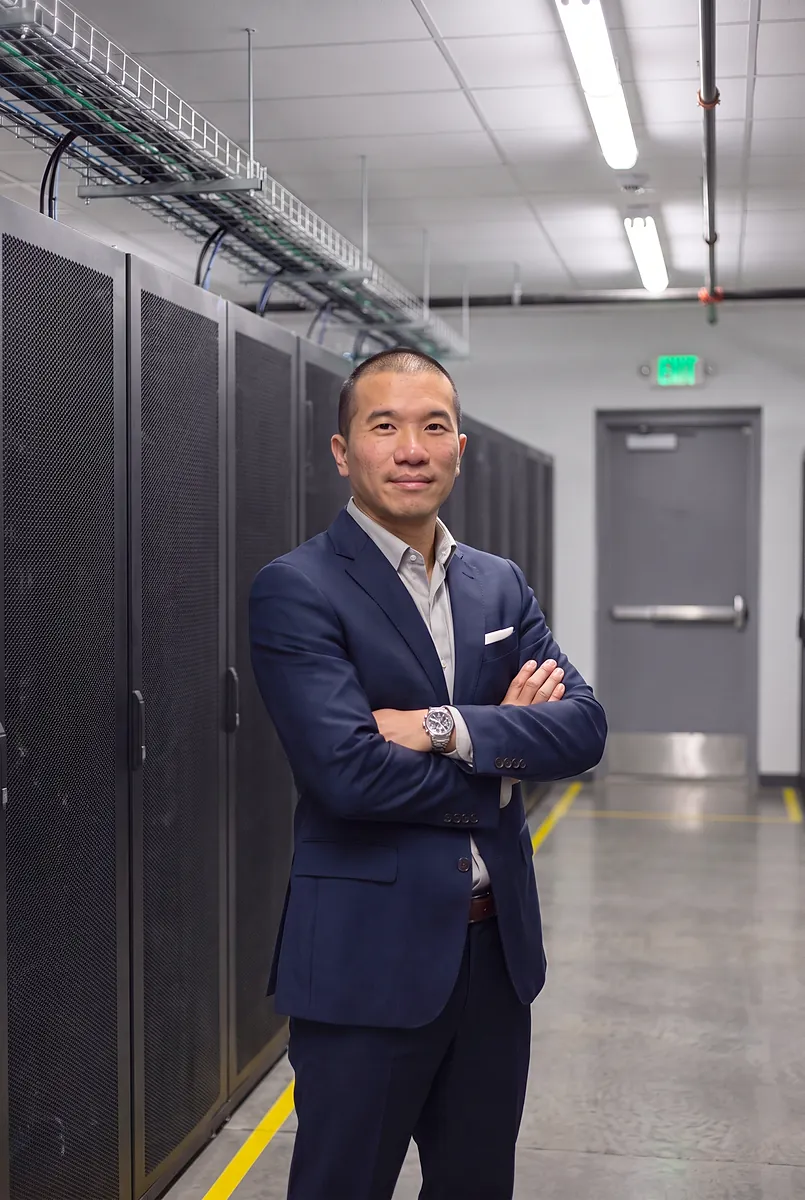
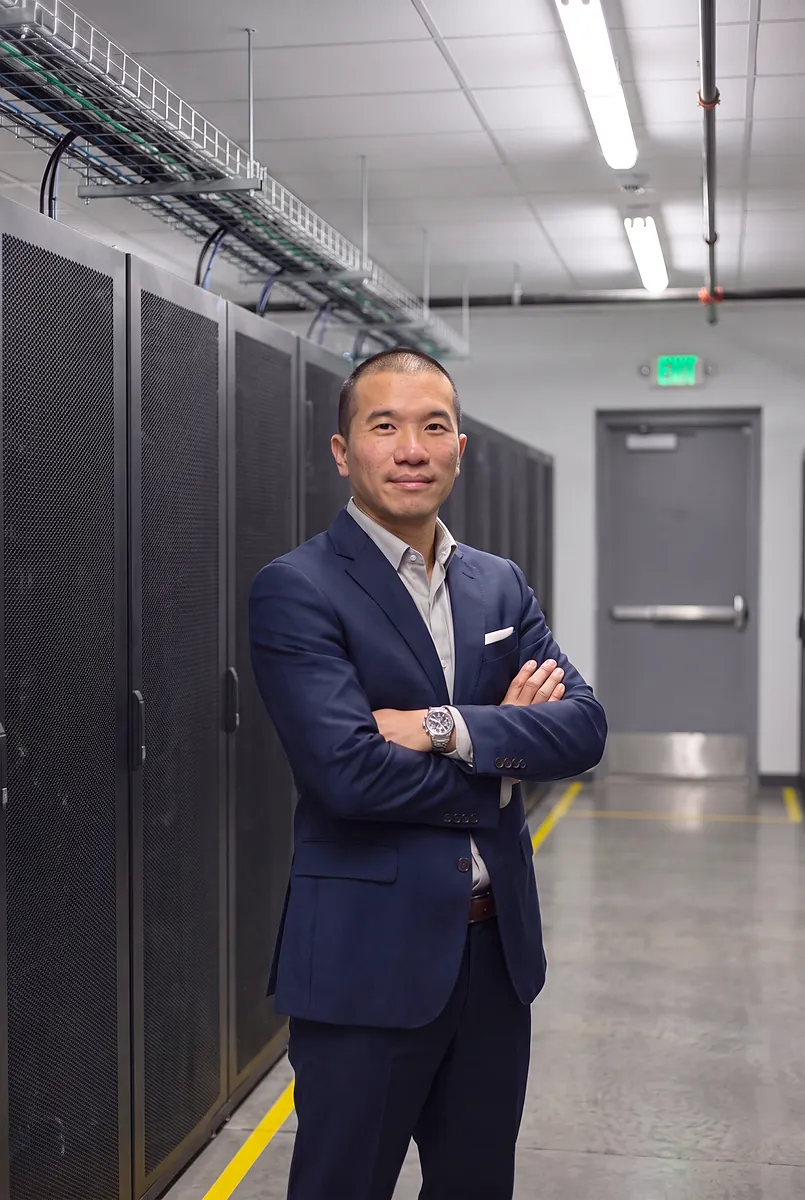
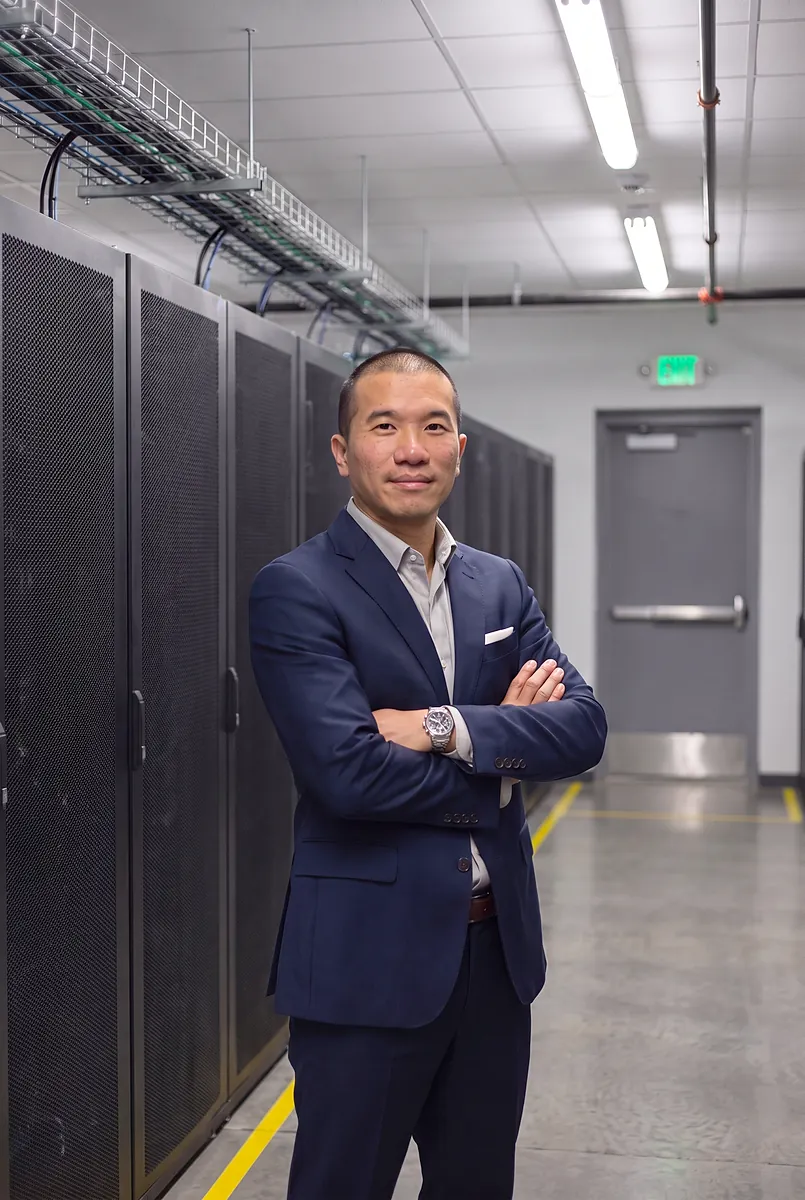
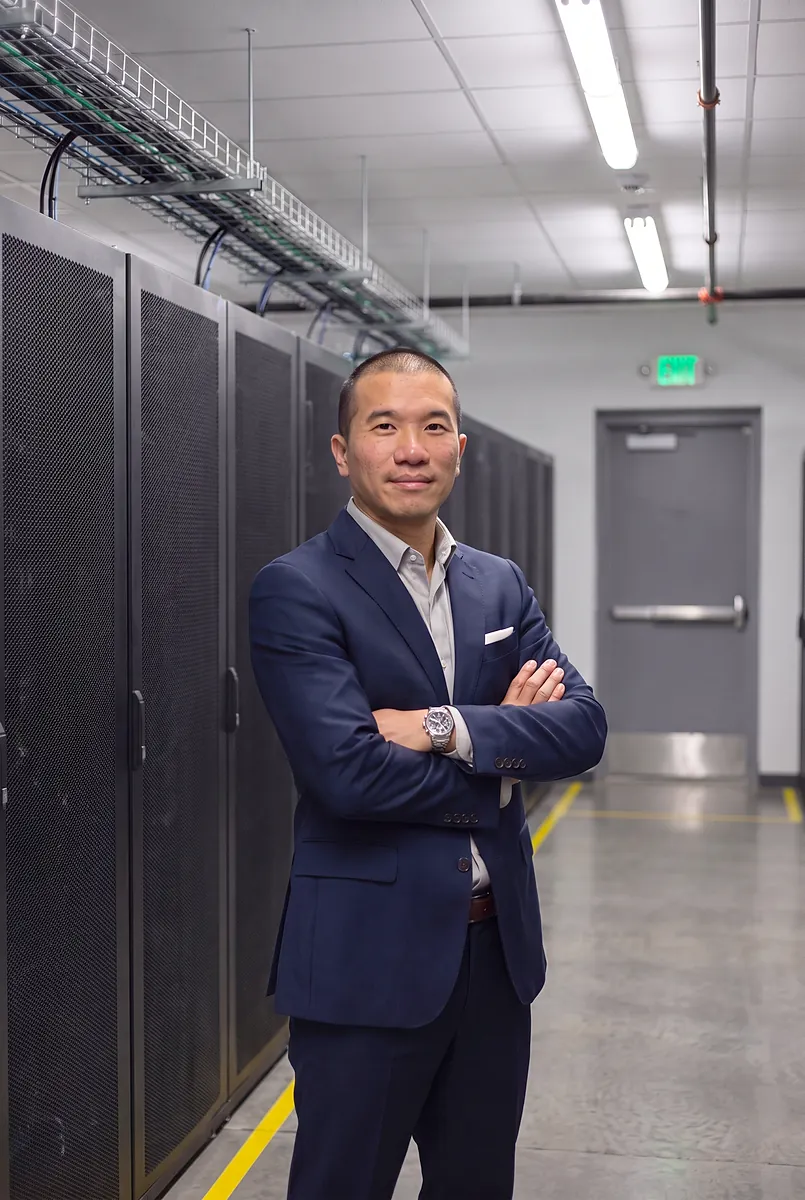
I'm Jimmy. I have worked in data at Fortune 500 companies, as a data analyst, a data engineer and a software engineer, and I am trained in data science. I am also a Canadian military veteran, specialized in data analysis and reporting.
If you want your files ready for AI labs with every word kept, I come in as your broker and technical advisor.
As your broker, I help you create relationships with AI labs and bring back their offers, so you can compare the price and the terms before you decide.
I work through the terms with you, and you make the final call.
As your technical advisor, I guide your team through what to export, the format, the de-identification and compliance.
We move forward only after your team signs off.
I work on commission only, paid by the AI lab.
Already shopping your data around? Contact us anyway. We can still work through the terms with you and help you negotiate a better price.
If you are buying data for an AI lab, I find the right data and see it through to delivery, so you can focus on AI research.
Here is a checklist before you clean anything.
Export the data as it is, keep one untouched copy, and take out the personal details.
Drop exact copies, but do not rewrite or summarize, and do not paste your files into public AI tools.
More on getting your data ready for AI labs at AITrainingDataBroker.com.
Thank you for watching.
I will see you next time.
More slides
AITrainingDataBroker.com
What Does
“Indemnify” Mean
When You Sell Data?
Furniture brand
AI lab
Design studio
3 parts: the promise · the cap · the rule
Jimmy Lin
AITrainingDataBroker.com
Engineering or architecture?
Your project files
are worth money
The 4 questions principals ask about licensing their firm's data to AI, answered.
Jimmy Lin
AITrainingDataBroker.com
Trucking or logistics?
Your loads
are worth money
Why the bad days on your loads are what AI companies want, and what never leaves your yard.
Jimmy Lin