Sell Data to AI Companies: Why Non-Exclusive Is Not the Safe Choice
AITrainingDataBroker.com
Sell Data to AI Companies:
Non-Exclusive
Is Not Safer
3 parts: both choices · where data goes next · the end date
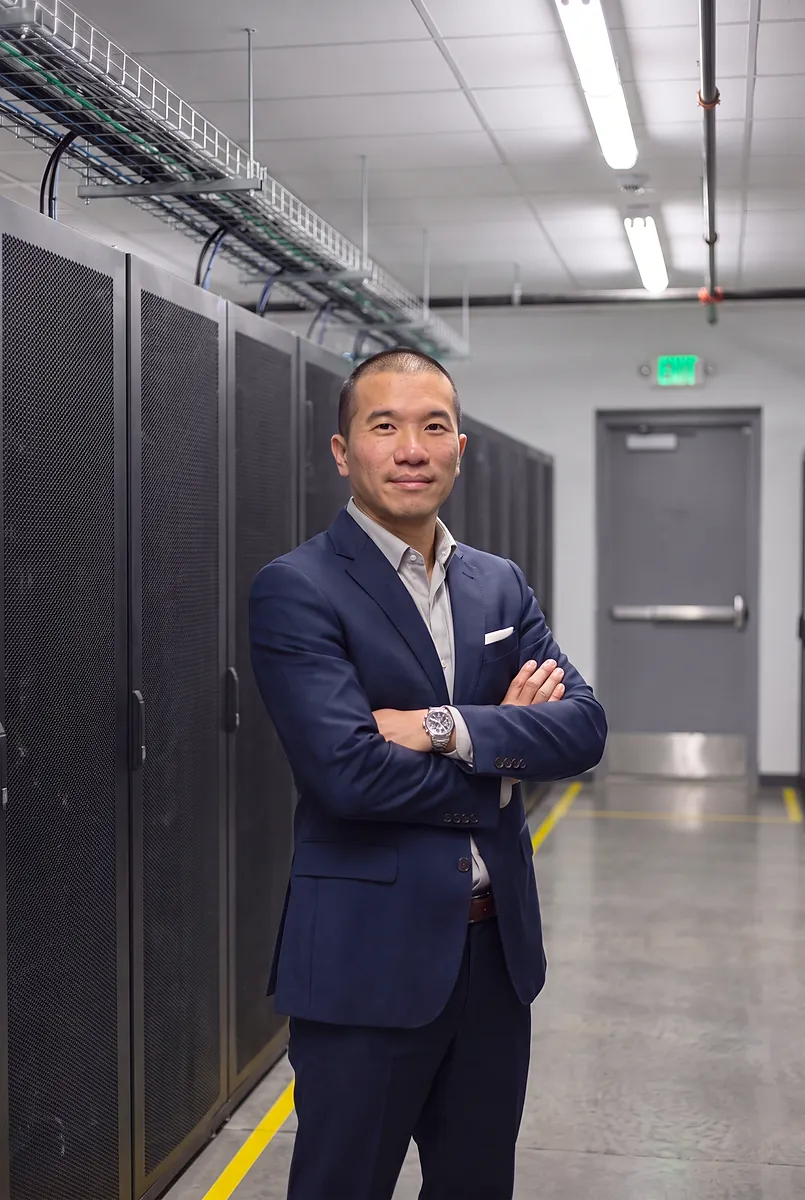
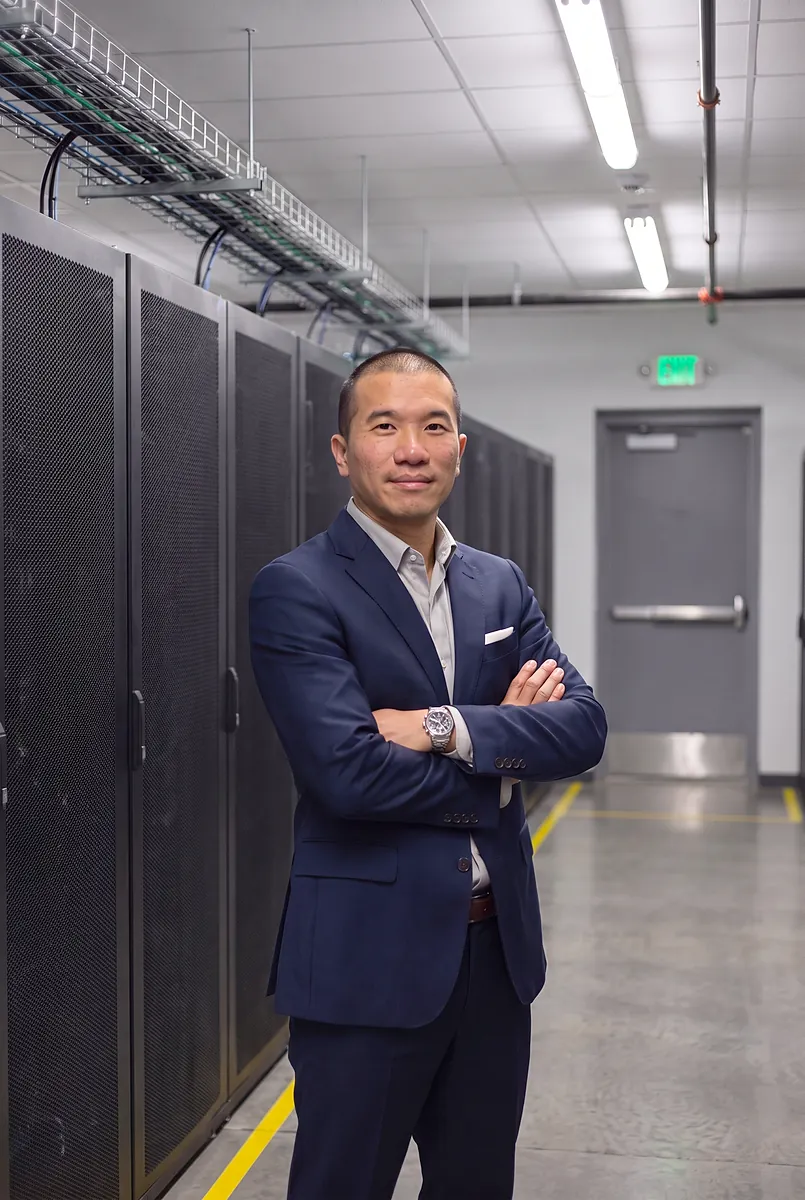
Jimmy Lin
Sell Data to AI Companies: Non-Exclusive Is Not Safer
An AI company offers to license your data, and you pick non-exclusive, so you can sell it again later.
It feels like the safe choice, because nothing is tied up.
After you sold or licensed your data, you may find that nobody else will pay for the same data.
The video
Sell Data to AI Companies: Why Non-Exclusive Is Not the Safe Choice
Full script
An AI company offers to license your data, and you pick non-exclusive, so you can sell it again later.
It feels like the safe choice, because nothing is tied up.
After you sold or licensed your data, you may find that nobody else will pay for the same data.
According to a research paper on arXiv, August 2026, by Oderinwale and Kazlauskas, exclusive access to data commands a premium price.
The same paper says the value of data drops as access spreads to more AI companies.
In other words, every company that already has your data makes it worth less to the next one.
So which license protects that value better?
Most owners think non-exclusive is the safer answer, because they can sell the same data again.
It will not work unless the next AI company still wants it.
The paper found that a dataset's value depends on which other AI companies have already accessed it.
And the first question a new AI company asks is whether your data has been licensed before.
Here is why that question matters.
Many AI companies now turn data into RL environments, which are practice worlds where an AI learns a task by trial and error.
According to SemiAnalysis, January 2026, some even buy private code just to build environments from it.
The same report says these environments are a one-time purchase that is reused for future models.
So once your data is built into one, the AI labs using it may never need your data again.
To be fair, non-exclusive has real benefits.
The same paper notes that most licenses are non-exclusive, because the owner can license the same data to several AI companies at once.
It suits data that keeps growing, several smaller AI companies that each want a slice, and owners who want to keep their options open.
But there is a catch.
Each AI company pays a lower price, and the later ones may already have what you sell.
Exclusive has its own benefits.
One AI company pays a higher price, you sign one clean contract, and that company has a reason to invest more in your data.
SemiAnalysis reports that the companies building practice worlds often sell them on exclusive contracts themselves, for the same reason.
The catch is that no other AI company can license it during the term.
So the license needs an end date, and it should cover only the data you hand over.
This will not fit every company, and it is worth saying plainly.
If your data keeps growing every month, like support tickets or sensor logs, selling fresh batches on a non-exclusive basis may suit you better.
Each new batch is data no AI company has seen yet.
But for a fixed archive of past years, the lean goes the other way.
So for most companies, the better deal is exclusive for a set term, usually 2 to 3 years, with an end date.
The paper describes deals where AI companies pay fixed fees for time-limited access, so a term is a normal thing to ask for.
When the term ends, you can license the same data again, along with everything new since.
The key is a license with an expiration date, not one that runs forever.
You may be wondering how to tell which one fits your own data.
Start with 4 questions.
Will the AI company build your data into practice worlds and pass them on to other AI labs?
How many years is the exclusive term, and what happens on the end date?
And is your data still growing, or is it a fixed archive?
Working through those answers with you, offer by offer, is where I come in.
I'm Jimmy. I have worked in data at Fortune 500 companies, as a data analyst, a data engineer and a software engineer, and I am trained in data science. I am also a Canadian military veteran, specialized in data analysis and reporting.
As your broker, I help you create relationships with AI labs and bring back their offers, so you can compare the price and the terms before you decide.
As your technical advisor, I guide your team through what to export, the format, the de-identification and compliance.
I work on commission only, paid by the AI lab.
If you are buying data for an AI lab, I find the right data and see it through to delivery, so you can focus on AI research.
Here is a checklist before you choose between them.
Check whether your data is still growing, who already has it, and whether it will be built into practice worlds.
Then get the number of years and the end date in writing, for only the data you hand over.
More on licensing your data at AITrainingDataBroker.com.
Thank you for watching.
I will see you next time.
More slides
AITrainingDataBroker.com
What Does
“Indemnify” Mean
When You Sell Data?
Furniture brand
AI lab
Design studio
3 parts: the promise · the cap · the rule
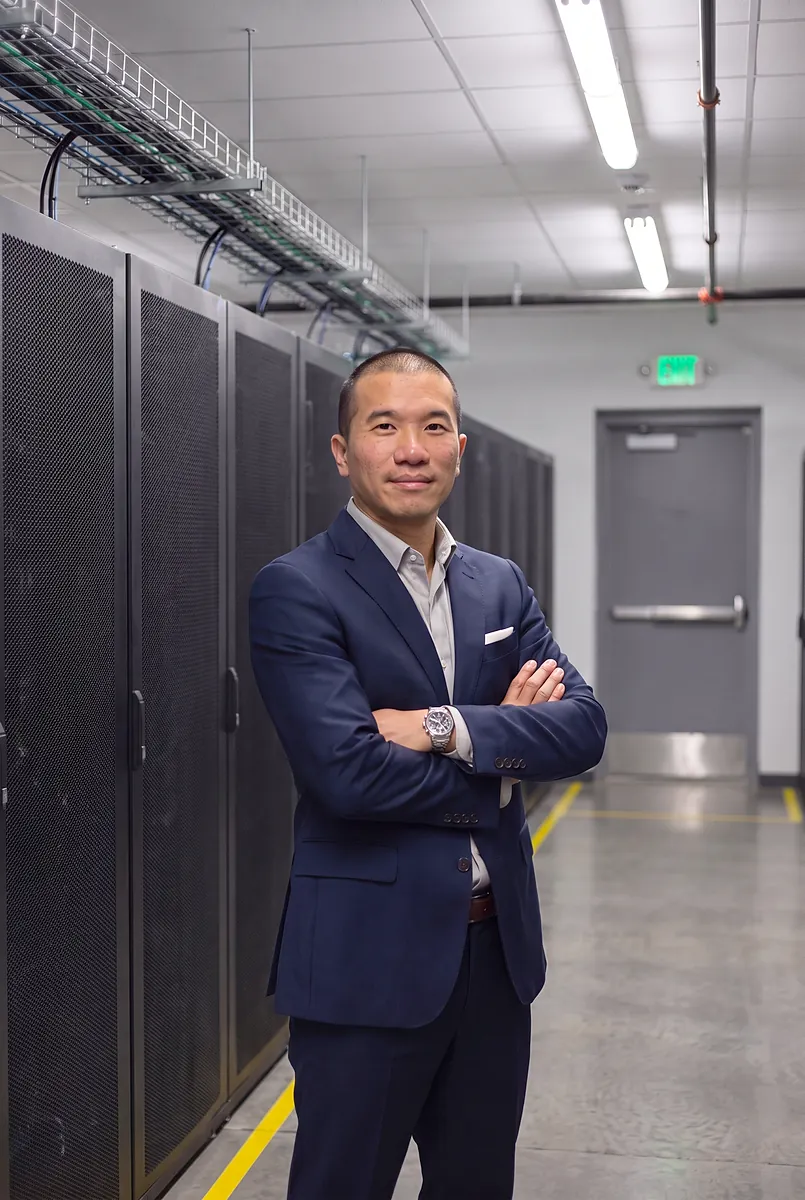
Jimmy Lin
AITrainingDataBroker.com
2026 ranking
AI companies pay
most for data from
these industries
15 industries ranked by what AI companies pay for their data in 2026, and what moves your company up the list
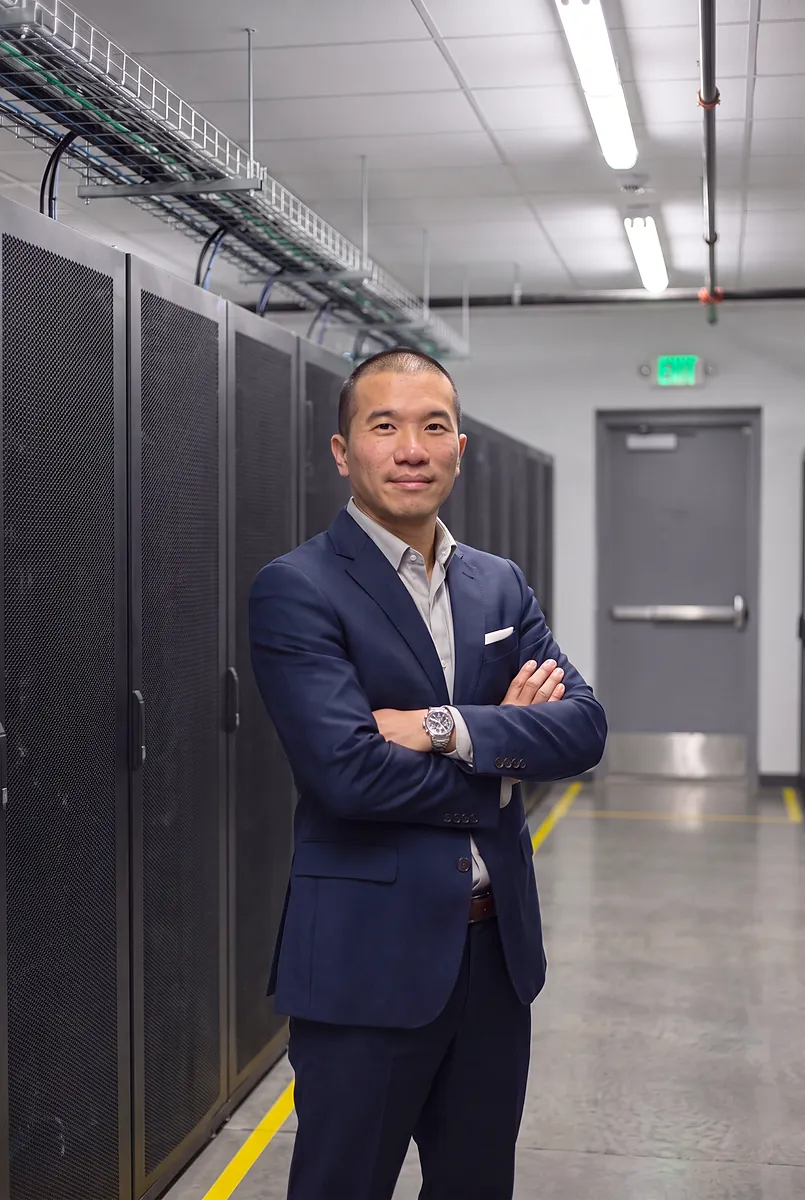
Jimmy Lin
AITrainingDataBroker.com
Can a consulting firm
license its client
work to AI?
Reports, drafts, models and partner reviews: what AI companies may want, and what your clients keep private.
Jimmy Lin