Sell Data to AI Companies: How to Value Your Company Data
AITrainingDataBroker.com
Sell Data to AI Companies:
How to Value
Your Company Data
What is it worth to AI?
3 parts: what AI labs weigh · your own numbers · why offers differ
Jimmy Lin
Sell Data to AI Companies: How to Value Your Company Data
What is your company data worth to AI?
Your company may hold years of emails, tickets and project files, and some AI companies want to license data like that.
There is no price list, so start with the answer most owners hear first.
The video
The video for these slides is on its way. It will play here as soon as it is on our channel.
Subscribe on YouTubeFull script
What is your company data worth to AI?
Your company may hold years of emails, tickets and project files, and some AI companies want to license data like that.
There is no price list, so start with the answer most owners hear first.
You ask an AI company what your data is worth, and 2 words come back: it depends.
So many owners guess low, or they hold out for a better price and miss the window when AI labs are buying.
What changed is how AI labs set the price.
They now price by supply and demand, one industry at a time, so the answer depends on things you can check.
The first is how much of your kind of data they already have.
AI labs pay the most for data they do not have yet.
So the companies that sell early in an industry tend to be paid more, because the AI labs still have a gap to fill.
As more sellers arrive and a lab trains its models on that kind of data, the gap closes and the price drops.
That means the industry you are in, and how many sellers came before you, both move the price.
The next thing they weigh is your team.
The first number an AI lab asks for is your headcount: how many people worked at desks, now and at the peak.
Each person at a desk leaves a trail of emails, tickets and decisions, so a bigger team puts more of the work on file.
Some buyers set a staff floor, so AI labs ask for both numbers before they look any further.
A team that has shrunk can still count, because the data was made when the team was at its biggest.
Not every company clears that floor, and it helps to know that before you spend time on the rest.
Next comes time, because more years show more of the work and how it changed.
For example, 10 years of support tickets show how a team handled the same problem as the tools, the staff and the customers changed.
A short stretch of data, a year or less, does not often carry a deal on its own.
The years count most when they sit on the same tools.
So write down when you changed systems, and check whether the old data still opens.
Many owners think the size of the data sets the price, but it does not on its own.
What AI labs pay for is depth: the threads, the version history, the comments, and the before and after of the work.
A folder of bare fields and totals shows what happened, but not how or why it happened.
So 2 folders of the same size can be worth very different amounts, depending on what is inside them.
Where your company is based also moves the price.
AI labs tend to pay more for data from the United States, the United Kingdom, Canada and Australia.
Data from other countries is often priced lower, even when the work behind it is just as good.
That is about where the AI labs see demand, not a grade on your team.
Then comes how ready the data is.
Then there is how ready your data is to license.
A clean export and a manifest, the list of your folders, file types and counts, help a deal move faster.
Add a small de-identified sample, with the names, account numbers and other personal details stripped out.
That is what helps the price hold.
But it will not hold unless the counts are right, because one wrong count makes the AI lab check the whole list again.
Most deals are licenses, so you keep your data, but it has to be your own to license in the first place.
Files you hold for clients, like their designs or their accounts, belong to those clients, so you cannot license them.
And a privacy promise you made to customers when you collected the data can still block a new use.
According to the US Federal Trade Commission, in a January 2024 post, there is no AI exemption from the laws on the books.
In plain words, the promises you made still apply when the data goes to AI.
So ask your own lawyer to read yours before you license.
Even with all of that in hand, the offers can still be far apart.
Each AI lab turns the same data into its own tasks, so the offers for the same data differ.
That is why it pays to compare offers instead of taking the first one.
And an estimate is a starting point, not an offer, because a real offer needs a sample and comes in writing.
So how do you get several offers for your own data?
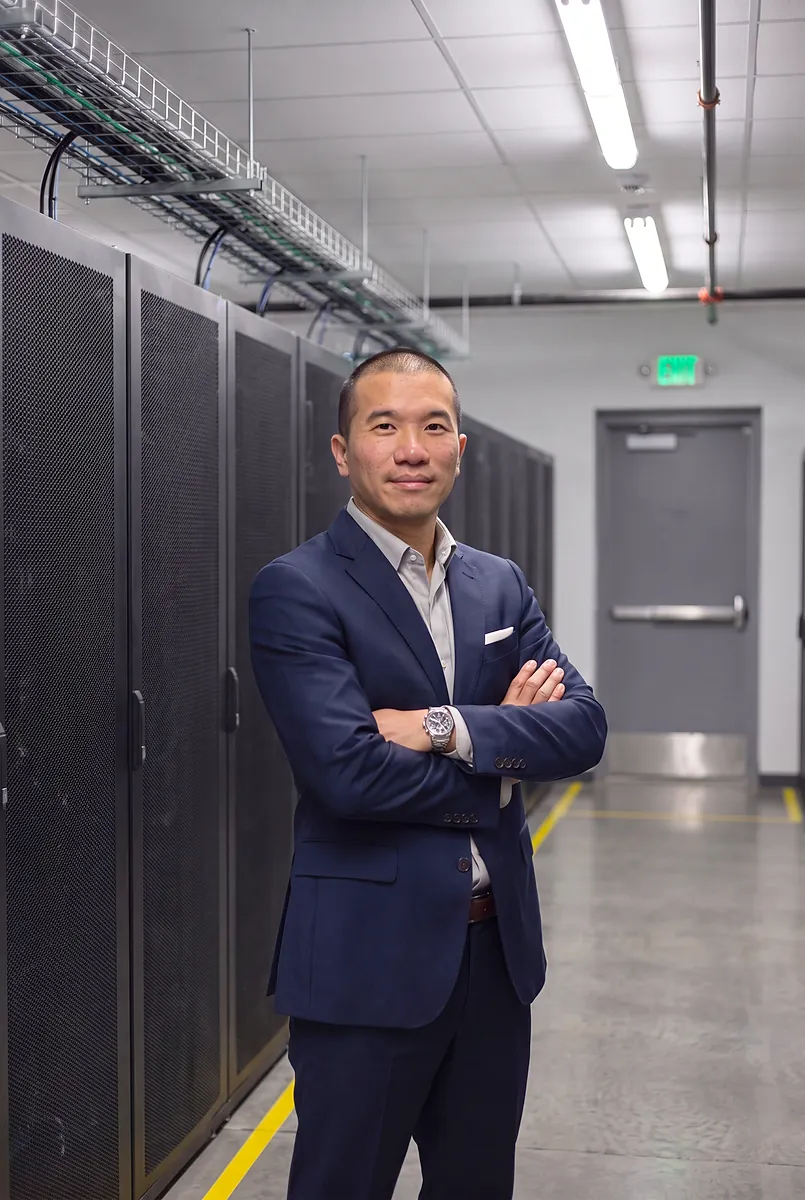
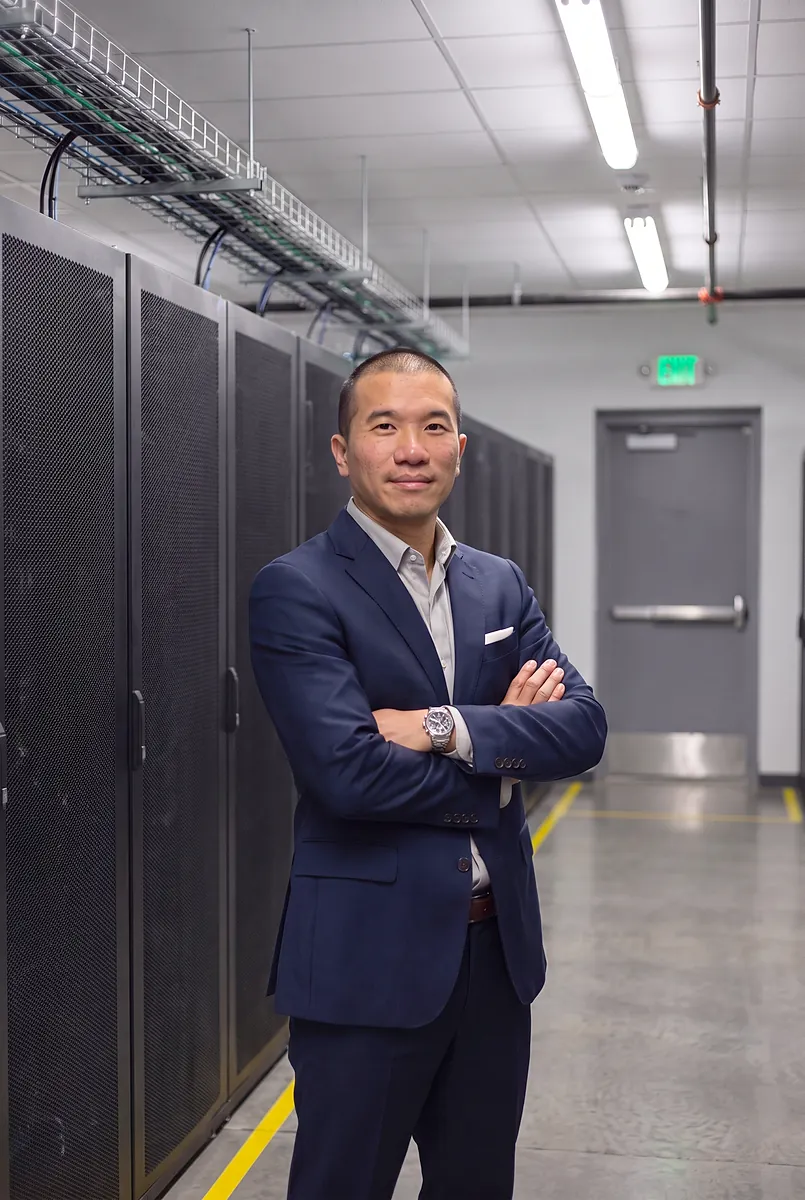
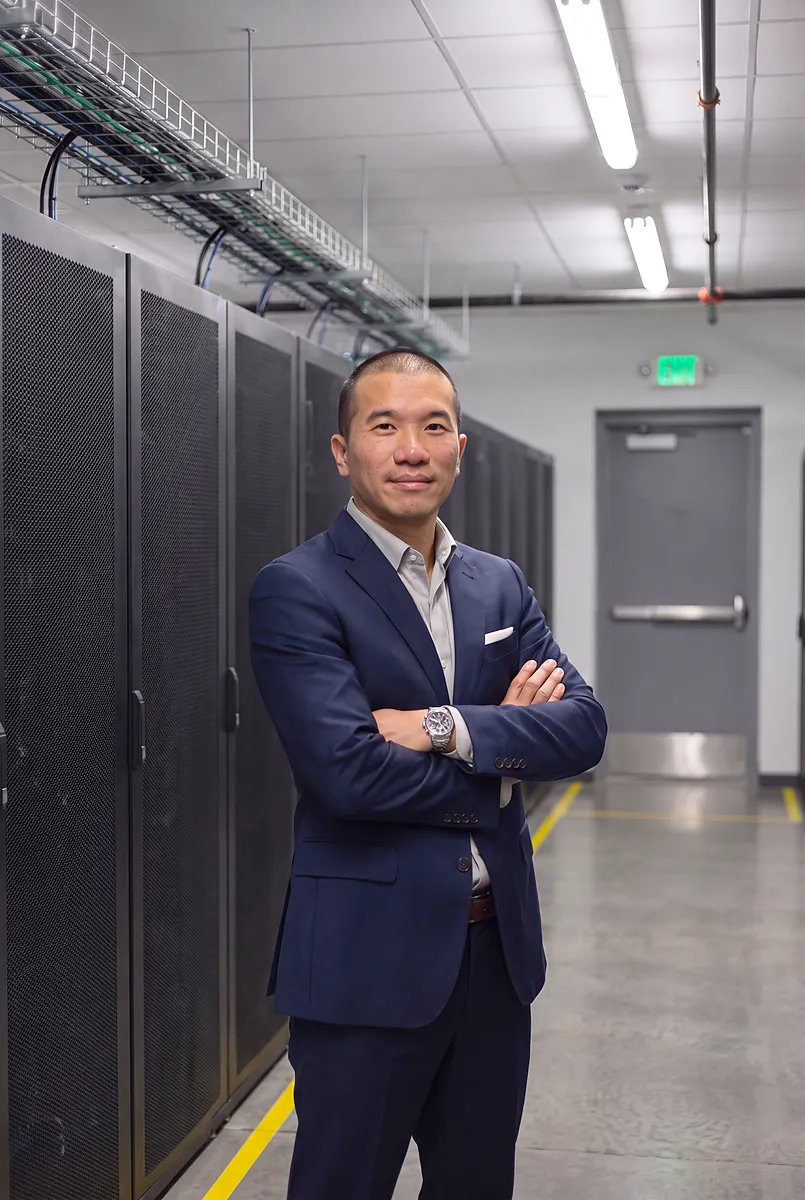
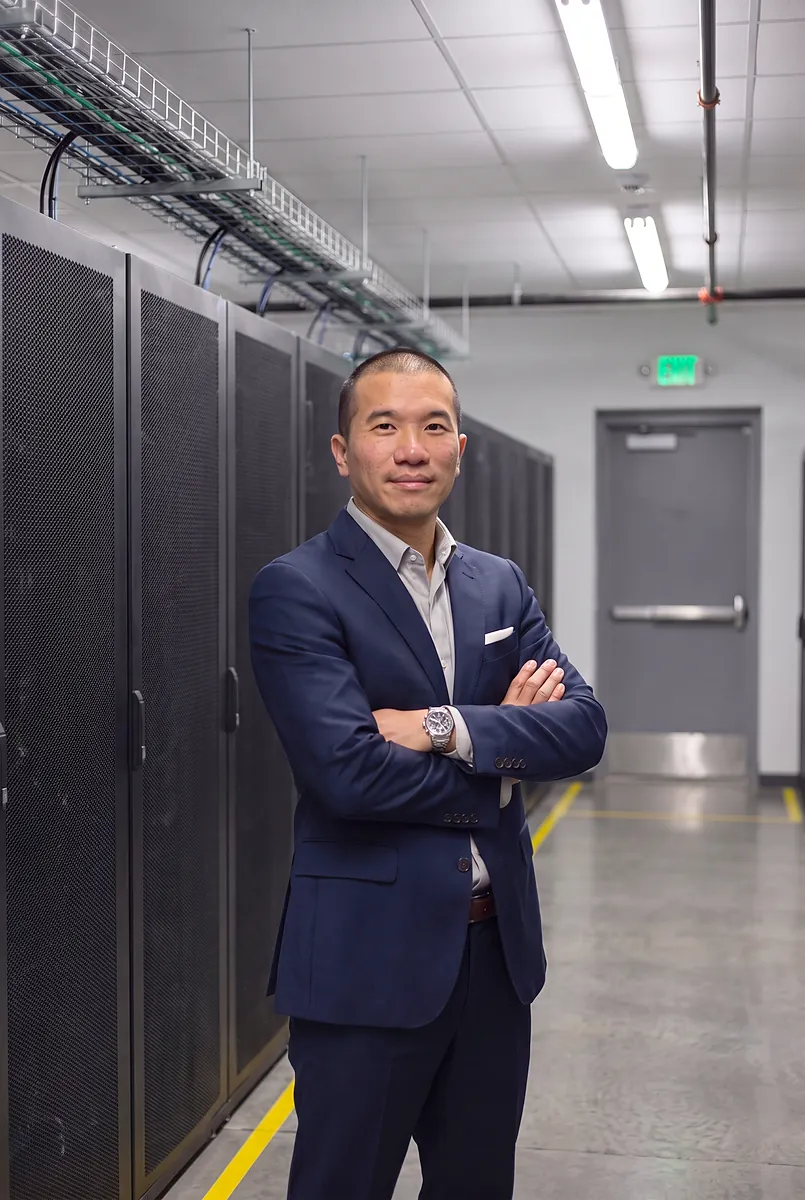
I'm Jimmy. I have worked in data at Fortune 500 companies, as a data analyst, a data engineer and a software engineer, and I am trained in data science. I am also a Canadian military veteran, specialized in data analysis and reporting.
If you want to know what your own data could bring, I come in as your broker and technical advisor.
As your broker, I help you create relationships with AI labs and bring back their offers, so you can compare the price and the terms before you decide.
I work through the terms with you, and you make the final call.
As your technical advisor, I guide your team through what to export, the format, the de-identification and compliance.
We move forward only after your team signs off.
I work on commission only, paid by the AI lab.
Already shopping your data around? Contact us anyway. We can still work through the terms with you and help you negotiate a better price.
If you are buying data for an AI lab, I find the right data and see it through to delivery, so you can focus on AI research.
Here is a checklist before you put a value on your data.
Write down your headcount now and at the peak, your years of history, and how deep the data goes.
Note the country, then get a clean export, a manifest and a small de-identified sample ready.
Check that the data is your own, and plan to compare several offers.
More on how to value your data, with a free data value calculator, at AITrainingDataBroker.com.
Thank you for watching.
I will see you next time.
More slides
AITrainingDataBroker.com
Buy/Sell/License
AI Data Market
Update, Nov 12
Healthcare, finance, professional firms, code and trade video, and the terms to check
Jimmy Lin
AITrainingDataBroker.com
Will an AI company
ask for exclusive
rights to your data?
What exclusive means, what it costs you, and what to ask for
Jimmy Lin
AITrainingDataBroker.com
Is your company
deleting the data
AI would pay for?
4 deadlines most owners never see, and 3 questions for your IT team this week
Jimmy Lin