Can a Call Center Sell Its Data to AI?
AITrainingDataBroker.com
Can a Call Center
Sell Its Data
to AI?
to AI?
What a call center keeps from every call, and what decides first whether an AI lab may license it
Jimmy Lin
Can a Call Center Sell Its Data to AI?
A call center hears thousands of people every day, and every call leaves a recording, a transcript and a score. So can a call center sell its data to an AI lab? 2 questions come first: who owns the calls, and who agreed to be recorded. Let us go through both.
The video
Full script
A call center hears thousands of people every day, and every call leaves a recording, a transcript and a score. So can a call center sell its data to an AI lab? 2 questions come first: who owns the calls, and who agreed to be recorded. Let us go through both.
Every call your agents take leaves a recording, a transcript and an outcome, in English, Spanish or more. An AI lab may want some of it, and most deals are licenses, so you keep the data and the rights. But first, whose recording is it, and who agreed to it? This is general information, not legal advice. First, let me tell you who I am.
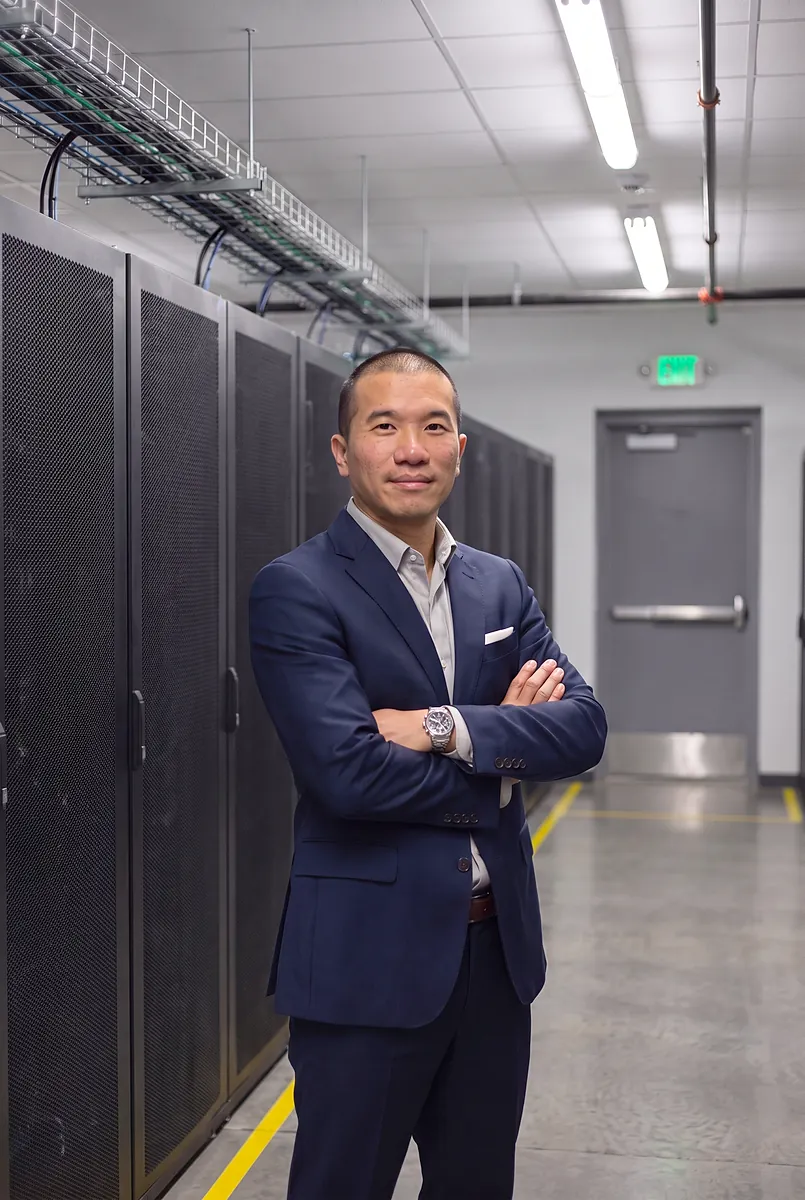
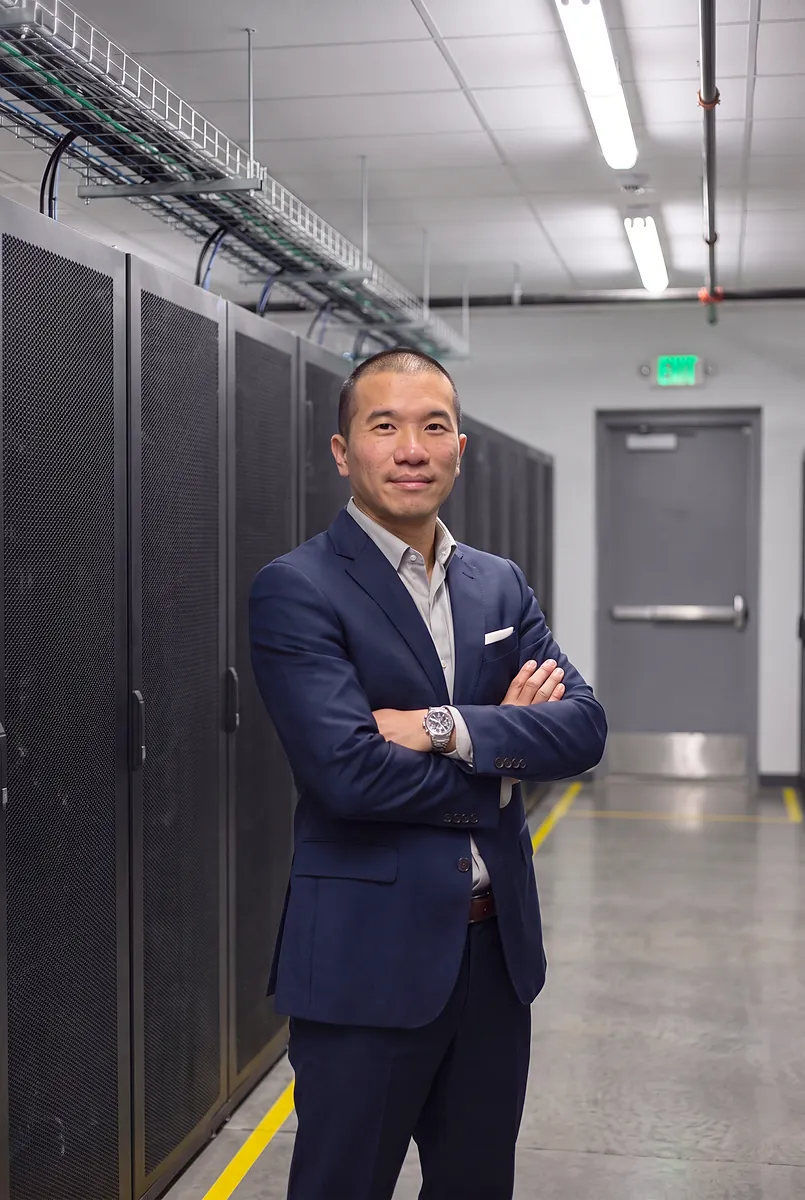
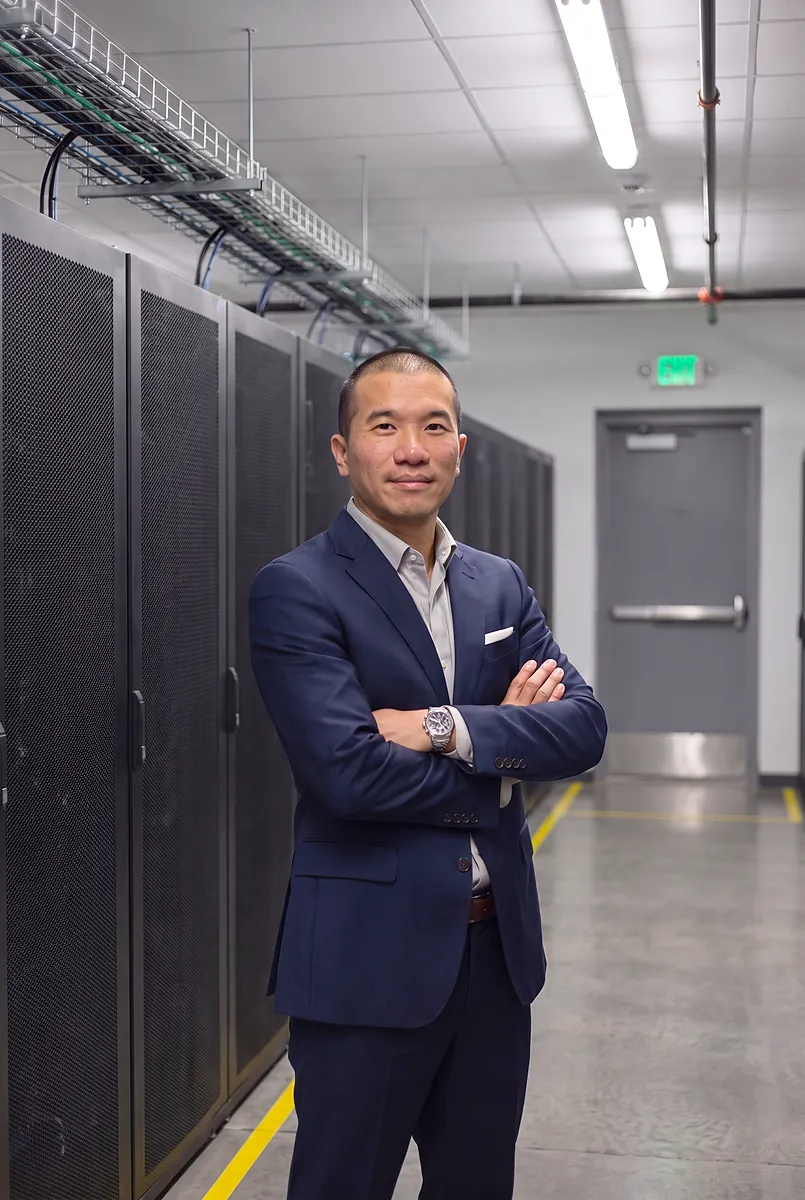
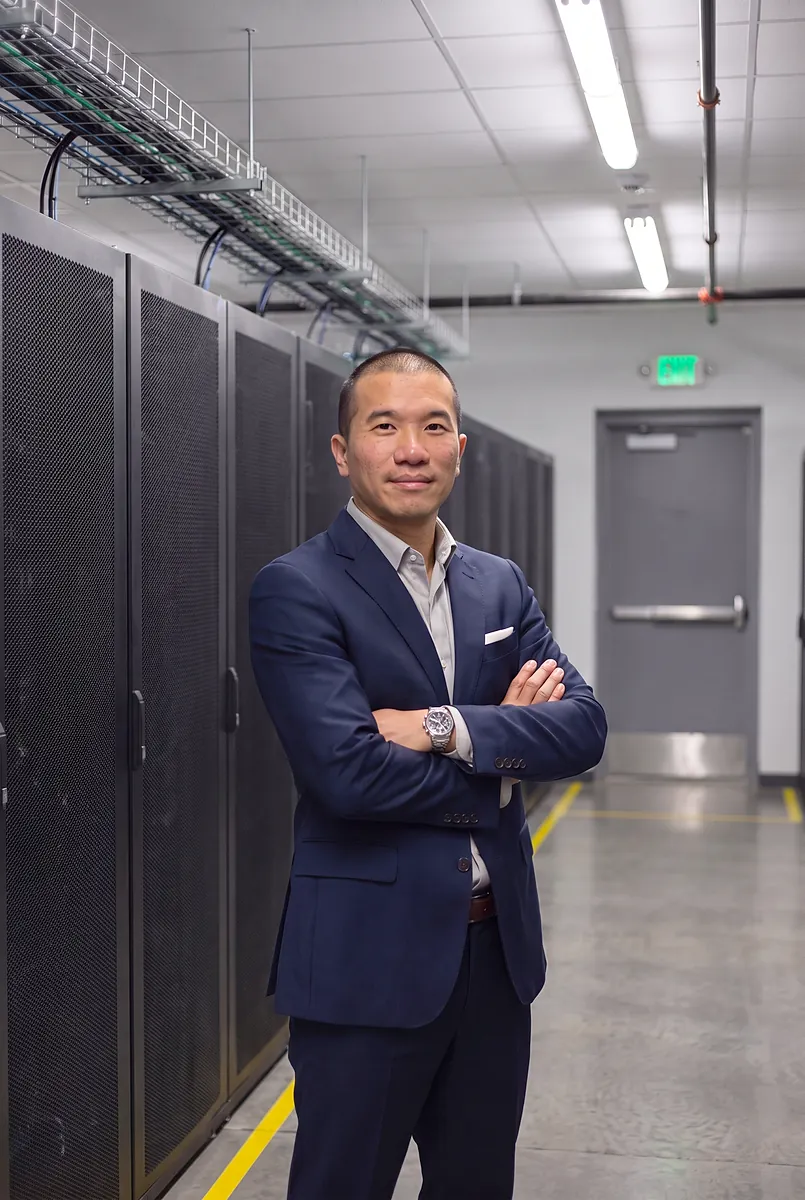
I'm Jimmy. I have worked in data at Fortune 500 companies, as a data analyst, a data engineer and a software engineer, and I am trained in data science. I am also a Canadian military veteran, specialized in data analysis and reporting.
If you want to sell your data, I am your broker and technical advisor. I bring your data to several AI companies, and I guide your team through the technical side, including compliance. AI companies pay my fee.
Already shopping your data around? Contact us anyway. We can still work through the terms with you and help you negotiate a better price.
If you are buying data for an AI lab, I find the right data and see it through to delivery, so you can focus on AI research.
Take one made-up call, number 10482: 6 minutes, in Spanish, about a late delivery. It leaves 4 things behind: the audio, a transcript, a quality score from a reviewer, and an outcome, such as resolved or escalated. Now multiply that by thousands of calls, in several languages, and you have a very large body of real conversations. By the way, we built a free data value calculator, and the link is in the description.
Is anyone training AI on speech? According to a research paper on arXiv, from December 2022 by Radford and colleagues, a speech model was trained on 680,000 hours of multilingual speech data. That is public research and not company data. But it shows how much recorded speech, in how many languages, AI speech systems already use, and why real calls from a call center may interest an AI lab.
Start with ownership. Calls for your own business are usually yours. Calls you take for a client are different: the contract often says the client owns the recordings, and then you need the client's written permission before anything is licensed. And the caller's voice is personal data, even when you hold the file. The contract with each client says which case you are in.
Next, consent. According to the United States Code, Title 18, section 2511, as read in October 2026, a person who takes part in a call can record it, and many states use the same one person rule. But the California Penal Code, section 632, as read in October 2026, requires every party to a private call to agree, and other states and countries have their own rules. A notice that says the call may be recorded for quality may not cover a license to an AI lab.
Then the voice itself. The Illinois Biometric Information Privacy Act, from 2008, lists a voiceprint as a biometric identifier. In Europe, Article 9 of the GDPR, from April 2016, makes biometric data used to identify a person a special category. And the European Data Protection Board, in guidelines from July 2021, calls voiceprints sensitive. So a transcript with the voice removed is often the starting point, and raw voices need the speakers' agreement.
Now what callers say out loud. According to the PCI Security Standards Council, in PCI DSS 4.0 from March 2022, card verification codes can not be kept in a recording after the payment is authorized. Health details fall under HIPAA, and the Department of Health and Human Services explained its de-identification rule in November 2012. So we remove names, addresses, card numbers and codes before any sample leaves.
These cannot be licensed, or we leave them out of the license. Calls a client owns, unless the client gives written permission. Calls where the consent does not cover reuse. Card numbers and codes spoken in a call. And raw voices, unless the speakers agreed. Whether a particular set of calls is allowed is for your counsel to decide.
What is left is still a lot. Once the rights are clear, an AI lab may license de-identified transcripts with the names, numbers and voices removed, the outcome of each call with your reviewers' quality scores, the mix of languages, and the scripts and guides you wrote yourself. What it is worth depends on the volume, the languages and the rights, so we never promise a price. This will not fit every call center: a very small team, or only a few old recordings, may not be enough.
Here are 4 questions about your own calls. Whose calls are they, yours or a client's? What did callers hear before the recording started? Which languages do you take, and about how many hours? And how many years of recordings do you keep? Have those answers ready, and you will know most of what we would ask first.
So what happens next? We start with a de-identified sample, a small set of transcripts with the names, numbers and voices removed. As your broker, I take it to several AI labs and bring back their offers, so you can compare them and choose the best price and terms. As your technical advisor, I guide your team through the export, the format and compliance. We move forward only after your team signs off.
Every call your agents take shows how real customer problems get solved, in more than one language, and an AI lab may value that once the rights and the consent are clear.
If you run a company with 30 or more people, the data you already have could become a new revenue stream.
Want to find out more? You can visit AITrainingDataBroker.com to learn how licensing your data works.
If you have further questions, leave them in the comments, and I will answer them in the next video.
Thank you for watching.
I will see you next time.
More slides
AITrainingDataBroker.com
Automotive and
Aerospace CAD: Can
You Sell or License
It to AI?
You Sell or License
It to AI?
What a car or aircraft maker keeps in its design files, and what decides whether an AI lab may license it
Jimmy Lin
AITrainingDataBroker.com
Can a Game Studio
Sell or License
Its Data to AI?
Its Data to AI?
What a studio keeps after launch, and what an AI lab may want to license
Jimmy Lin
AITrainingDataBroker.com
Will Synthetic
Data Replace
Your Records?
Your Records?
What synthetic data can do, what it can not, and why real data still counts
Jimmy Lin