Synthetic Data vs Real Company Data: Does AI Still Want Yours?
AITrainingDataBroker.com
Will Synthetic
Data Replace
Your Records?
Your Records?
What synthetic data can do, what it can not, and why real data still counts
Jimmy Lin
Will Synthetic Data Replace Your Records?
If an AI can write its own data, is the data your company already has still worth anything? That is a fair question, and the answer has a surprise in it. We begin with a photocopier.
The video
Full script
If an AI can write its own data, is the data your company already has still worth anything? That is a fair question, and the answer has a surprise in it. We begin with a photocopier.
So, make a copy of a page, then a copy of that copy, and keep going. After a few rounds, the small details go first: the odd word, the rare case, the exception. AI models that learn from their own writing show the same pattern. First, let me tell you who I am.
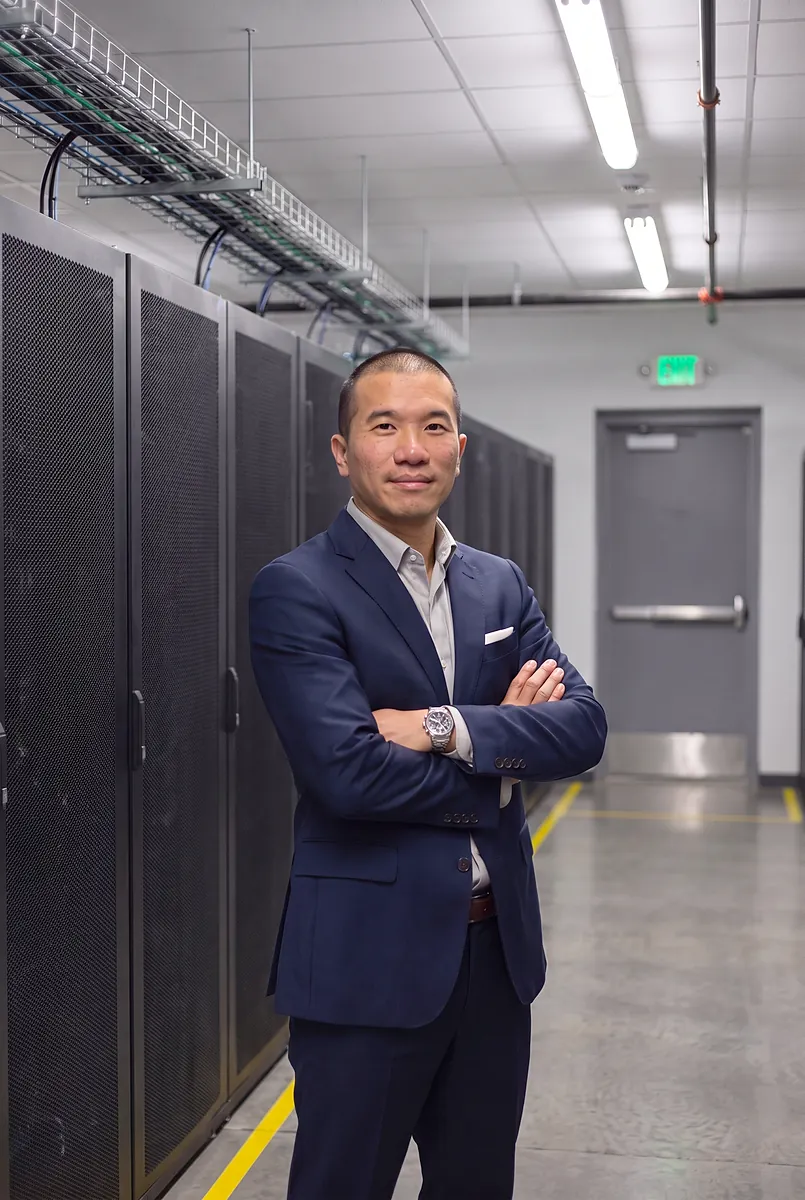
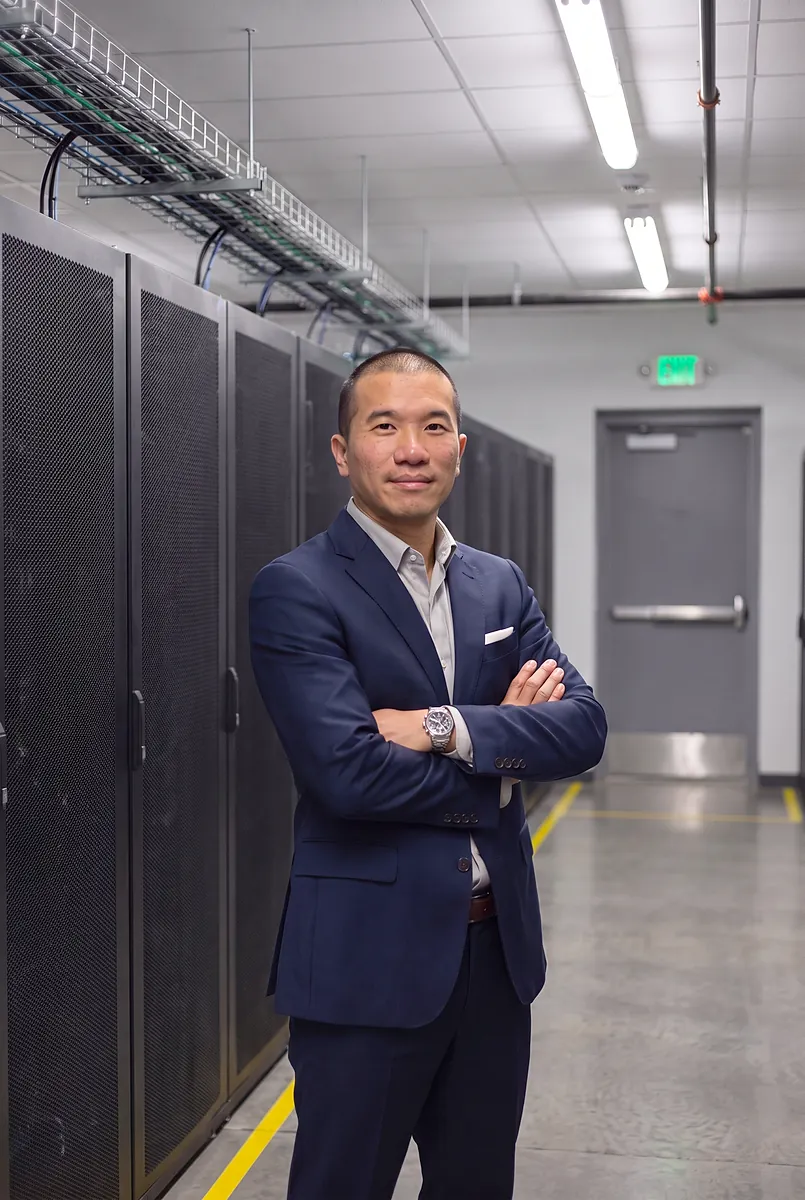
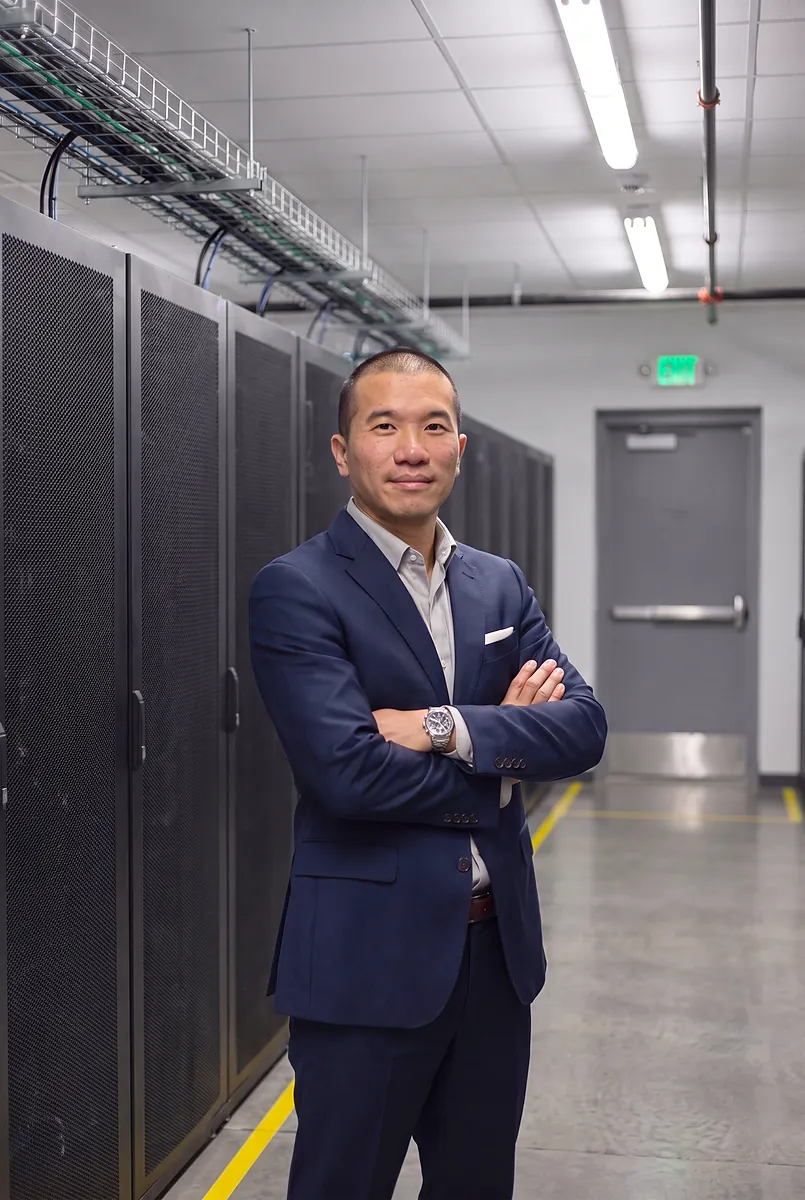
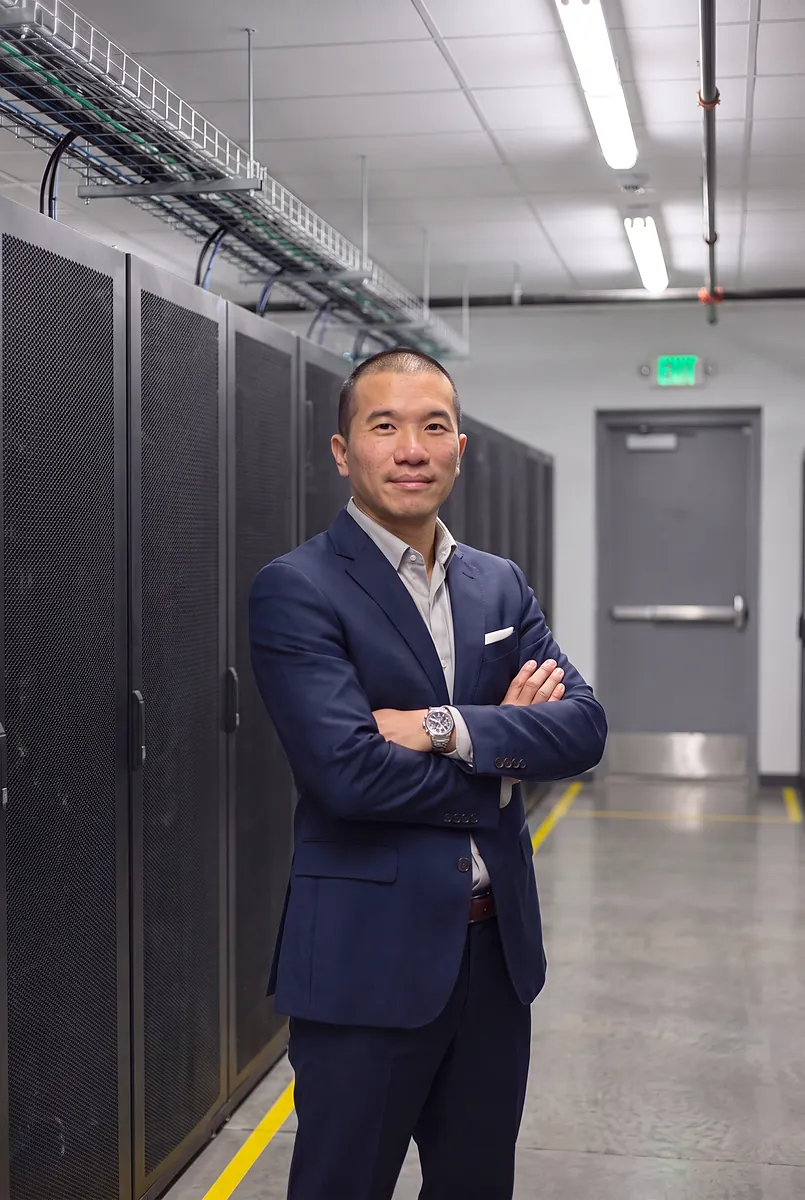
I'm Jimmy. I have worked in data at Fortune 500 companies, as a data analyst, a data engineer and a software engineer, and I am trained in data science. I am also a Canadian military veteran, a commissioned officer specialized in data analysis and reporting.
If you want to sell your data, I am your broker and technical advisor. I bring your data to several AI companies, and I guide your team through the technical side, including compliance. AI companies pay my fee.
Already shopping your data around? Contact us anyway. We can still work through the terms with you and help you negotiate a better price.
If you are buying data for an AI lab, I find the right data and see it through to delivery, so you can focus on AI research.
So what is the difference? Synthetic data is written to look real, either by an AI or by an expert who writes one task at a time. Real company data was written when it happened: the customer's own words, the fix that failed, and the order the steps came in. A synthetic page can copy the style, but it can not know what really happened. By the way, we built a free data value calculator, and the link is in the description.
Now, here is the research behind that idea. According to a research paper on arXiv, first posted in May 2023 by Shumailov and colleagues, researchers trained AI models on text that earlier models had written. The rare, unusual parts of the original data disappeared first, and the damage could not be undone. The authors also wrote that data about real people using real systems will become more valuable as generated text spreads. Anyone can read that paper on arXiv.
But many owners think generated data makes real data worthless. It does not. A second research paper tried 2 ways of mixing them. When each round replaced the real data with generated data, the models still collapsed. When the team kept the real data and added the generated data on top, the collapse did not happen. So real data is not wasted: it is the base the rest stands on.
And synthetic data is not the enemy either, because it works well when it starts from real examples. According to the Self-Instruct paper on arXiv, from December 2022, researchers began with just 175 tasks written by people. Their method grew them into more than 52,000 instructions. According to a second arXiv paper, from June 2023, another team trained a small coding model on synthetic textbooks mixed with filtered web text. It scored well on coding tests. The lesson is that synthetic data needs seeds, and the seeds come from real work.
What does your real data hold that a synthetic page does not? There are 4 things. The words your customers really use, the odd case nobody planned for, the fix that came late, and how each case ended, with the result written down. Those are the small details that vanish first in a copy of a copy.
Now, I want to be honest with you. This will not fit every company, because the data needs enough history, a written outcome and names that can be removed. I can not promise that a price stays the same either, because what AI labs want changes from week to week. What I can say is that real data is the base that synthetic data grows from, and that a real offer starts with a sample.
Think of a sheet of paper with 4 lines, one for each question about your own data. How many years does it cover? Is the outcome written down for each case? Can the names be removed? And who owns it, you or a customer? If you can answer all 4, you have a good place to start.
After that, the work is shared like a form with 3 copies. Your copy holds the final call. The AI lab sees a de-identified sample, with the names removed. Our copy holds the offers and the technical side. As your broker, I take the sample to several AI labs and bring back their offers, so you can compare them and choose the best price and terms. As your technical advisor, I guide your team through the export, the format and compliance. We move forward only after your team signs off.
Back to the photocopier: your data may be worth more than you think, because the real details are the part that nobody can copy.
If you run a company with 30 or more people, the data you already have could become a new revenue stream.
Want to find out more? You can visit AITrainingDataBroker.com to learn how licensing your data works.
If you have further questions, leave them in the comments, and I will answer them in the next video.
Thank you for watching.
I will see you next time.
More slides
AITrainingDataBroker.com
Can a Chip
Company License
Its Designs?
Its Designs?
What a design folder holds, who owns it, and which files cannot be licensed
Jimmy Lin
AITrainingDataBroker.com
Sell Egocentric
Video
to AI Labs?
to AI Labs?
What it is, who wants it, and who has to agree before it can be licensed
Jimmy Lin
AITrainingDataBroker.com
Can a Pharma
Company License
Data to AI Labs?
Data to AI Labs?
What can be licensed, what stays private, and who has to approve it
Jimmy Lin