Can an Electronics or Chip Company License Its Design Data to AI?
AITrainingDataBroker.com
Can a Chip
Company License
Its Designs?
Its Designs?
What a design folder holds, who owns it, and which files cannot be licensed
Jimmy Lin
Can a Chip Company License Its Designs?
Before a chip is made of silicon, it is a folder of files: the schematics, the layouts, the code and the notes from every review. AI labs that build tools for engineers may want to license that kind of design data. So can an electronics or chip company sell or license it? We start by opening that folder.
The video
The video for these slides is on its way. It will play here as soon as it is on our channel.
Subscribe on YouTubeFull script
Before a chip is made of silicon, it is a folder of files: the schematics, the layouts, the code and the notes from every review. AI labs that build tools for engineers may want to license that kind of design data. So can an electronics or chip company sell or license it? We start by opening that folder.
Now, most owners think all of this is too secret to license, and a part of it is. But the folder is not one pile, it is 2. One pile is the work your own team wrote, and the other pile holds files that belong to someone else. This is general information and not legal advice. First, let me tell you who I am.
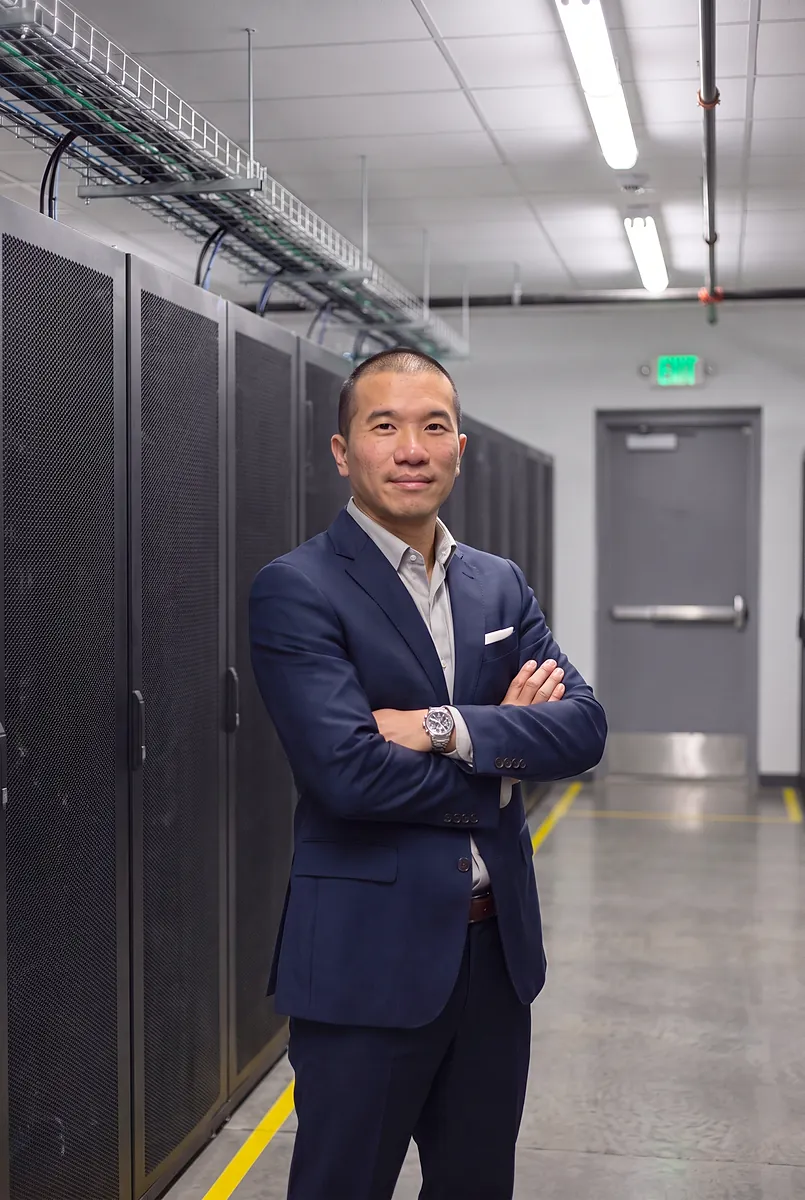
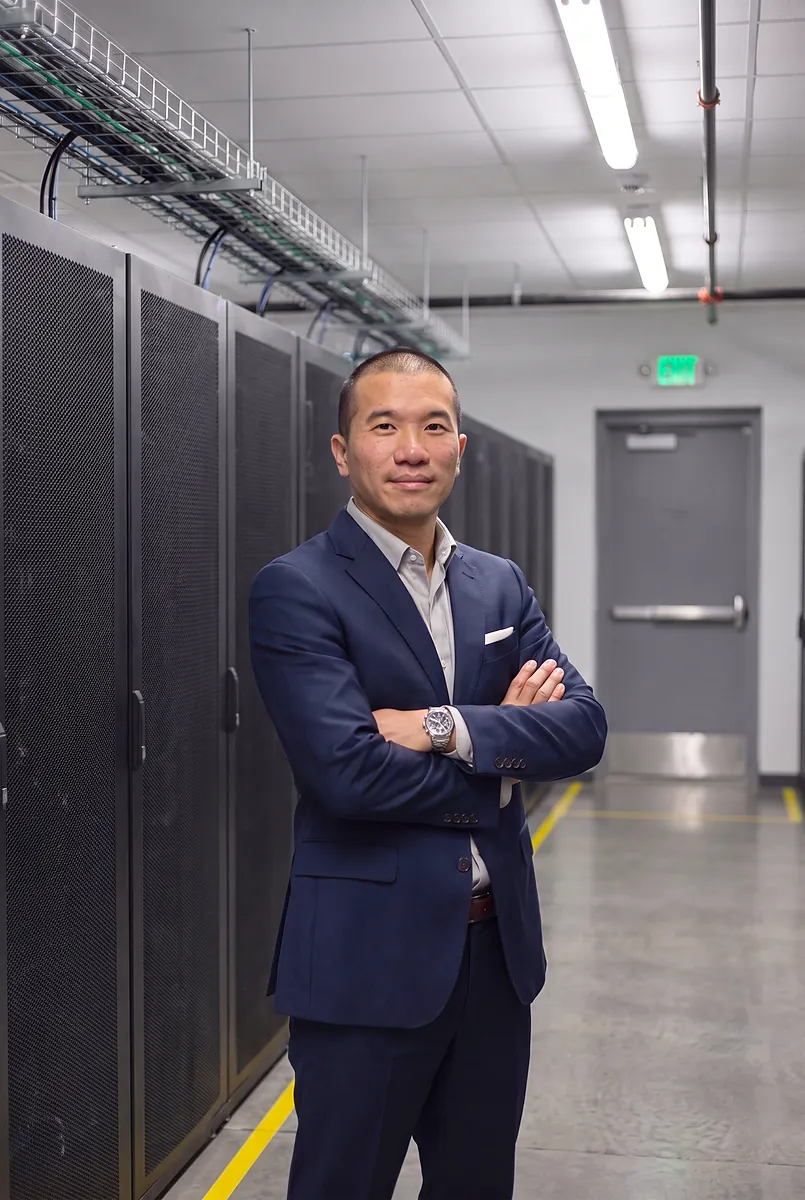
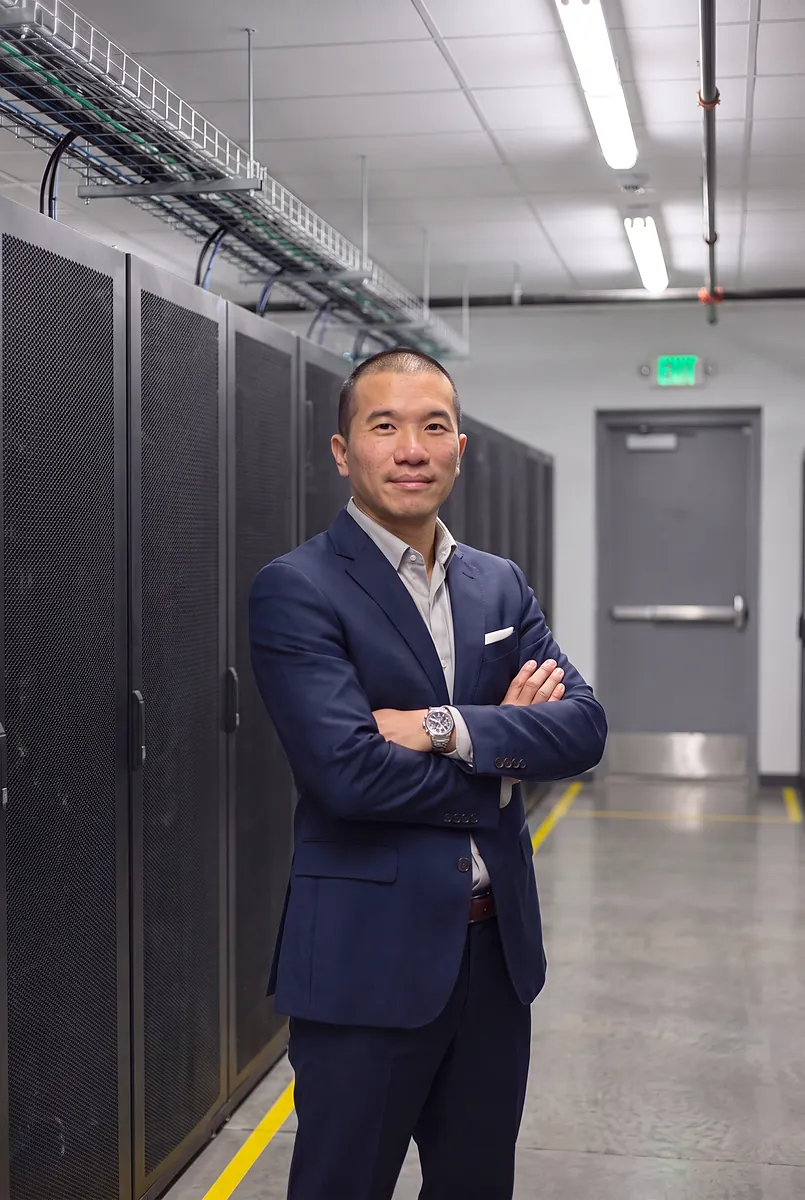
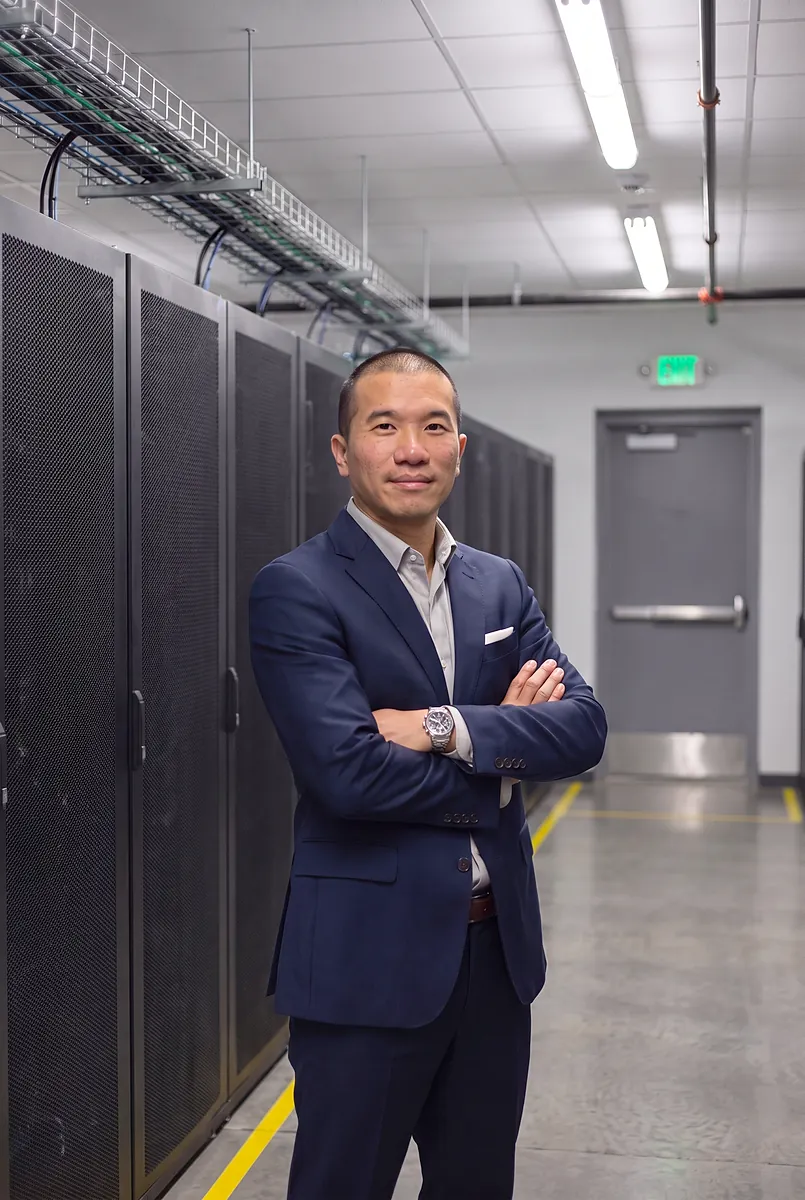
I'm Jimmy. I have worked in data at Fortune 500 companies, as a data analyst, a data engineer and a software engineer, and I am trained in data science. I am also a Canadian military veteran, a commissioned officer specialized in data analysis and reporting.
If you want to sell your data, I am your broker and technical advisor. I bring your data to several AI companies, and I guide your team through the technical side, including compliance. AI companies pay my fee.
Already shopping your data around? Contact us anyway. We can still work through the terms with you and help you negotiate a better price.
If you are buying data for an AI lab, I find the right data and see it through to delivery, so you can focus on AI research.
So, let us open the folder. A design team usually keeps 7 kinds of files: the schematics and board layouts, the chip design code, and the verification runs that test it. Then come the design reviews, the bug history and the bring-up logs from the first real boards. Taken together, they show how a design was built, and not only how it ended. By the way, we built a free data value calculator that gives you an estimate, how much ai labs can offer for your data. The link is in the description.
Why would an AI lab want files like these? Look at what researchers use today. According to a research paper from December 2022, a team trained models on chip code that was public, taken from GitHub and from textbooks, and the models wrote better code, by 25.9% on syntax. A second paper, from October 2023, found that models adapted to chip design did better on chip tasks than general models. Public code shows the finished design. As far as we can tell, the review notes and the bug history are what it does not show.
Next, who owns these files? It is different for each pile, and the contract often decides. Work an employee did on the job usually belongs to the company. A contractor is different, because under US copyright law the company may not own that work unless a signed written agreement says so. A design made for a customer may belong to that customer. And a chip layout has its own right in the United States, so someone must confirm who holds it. Your counsel checks all of this.
That brings us to the list of what goes into a license. Your own schematics, layouts and code can be licensed, and so can the review notes and the bug and bring-up history. Then there are the parts that cannot be licensed. A foundry design kit is usually under an NDA, a private agreement with the supplier, so it is not yours to give. According to Linux Magazine, until 2019 all the commercially relevant kits were under license and NDA. A block you licensed from another company has its own terms, and a design built for a customer follows the customer's contract. We leave all of these out of the license. This will not fit every company: if most of your work sits on a customer's design or a foundry kit, there may be little left to license, and I would rather say so now.
Before we go on, there is one more check, and it is about the border. In the United States, the export rules cover information, and not only things you ship. The rule on technology says development includes all stages before serial production, such as design, prototypes and layouts. For defense work, a second rule covers technical data that is needed to design defense items. In 2022 the Commerce Department wrote a rule about design software, and its notes describe RTL code and layout files. So whether one of your files is controlled depends on the chip and where it will be used, and your export counsel checks that before anything leaves. Until then, those files cannot be licensed.
What about the files that can be licensed? We de-identify them first, which means we remove the names and the secrets. Here is a pretend review note, written only for this video. The reviewer becomes Employee 14, the customer becomes Customer 3, and a test login is blacked out. Passwords hide in old code more often than people expect. According to a 2025 report from a security company, 23.8 million new secrets were leaked in public code in 2024, and 70% of the ones from 2022 still work. So we check the whole history of a design folder, not only the newest copy, and your team signs off on the sample before it moves.
Now think about your own folder. 3 questions tell you most of it. Who wrote each file, an employee or a contractor? Whose parts are inside, yours, a supplier's or a customer's? And where will it go, and does anyone need to check the export rules? If you can answer those 3, you are close to knowing what could be licensed.
From there, the next step is small. We begin with a sample, a few files from one project that you have already cleared. As your technical advisor, I guide your team through what to export, the file format and the cleaning, including compliance. As your broker, I show the sample to several AI labs, bring back their offers and work through the terms with you, and you make the final call. We move forward only after your team signs off.
So, your design folder is years of work, and some of it may be worth licensing to an AI lab.
If you run a company with 30 or more people, the data you already have could become a new revenue stream.
Want to find out more? You can visit AITrainingDataBroker.com to learn how licensing your data works.
If you have further questions, leave them in the comments, and I will answer them in the next video.
Thank you for watching.
I will see you next time.
More slides
AITrainingDataBroker.com
Sell Egocentric
Video
to AI Labs?
to AI Labs?
What it is, who wants it, and who has to agree before it can be licensed
Jimmy Lin
AITrainingDataBroker.com
Can a Pharma
Company License
Data to AI Labs?
Data to AI Labs?
What can be licensed, what stays private, and who has to approve it
Jimmy Lin
AITrainingDataBroker.com
Fintech and
Health Tech
Data for AI Labs
Data for AI Labs
What can be licensed, what stays locked away, and the rules to check first
Jimmy Lin