Can a Pharma Company License Its Operations Data to AI Labs?
AITrainingDataBroker.com
Can a Pharma
Company License
Data to AI Labs?
Data to AI Labs?
What can be licensed, what stays private, and who has to approve it
Jimmy Lin
Can a Pharma Company License Data to AI Labs?
Ask anyone what a drug company's most valuable data is, and they will say the formulas. They are right, and that part stays private and is never licensed to an AI lab. The way the factory runs is a different kind of data, and we begin with a floor plan.
The video
Full script
Ask anyone what a drug company's most valuable data is, and they will say the formulas. They are right, and that part stays private and is never licensed to an AI lab. The way the factory runs is a different kind of data, and we begin with a floor plan.
Most people think a drug company has nothing it can license, because everything is secret, and that is not quite right. Next to the labs sit a plant, a quality office and a training room, and what they write down every day can be read. This is general information and not legal advice. First, let me tell you who I am.
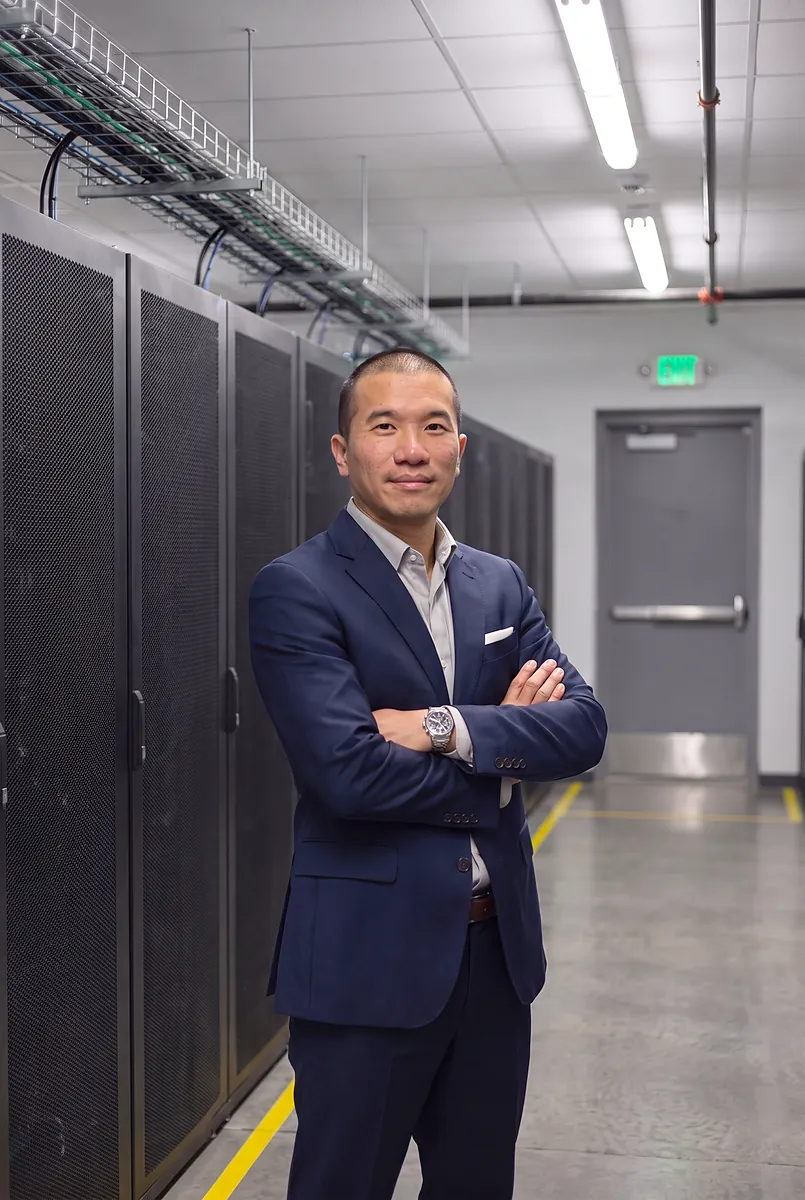
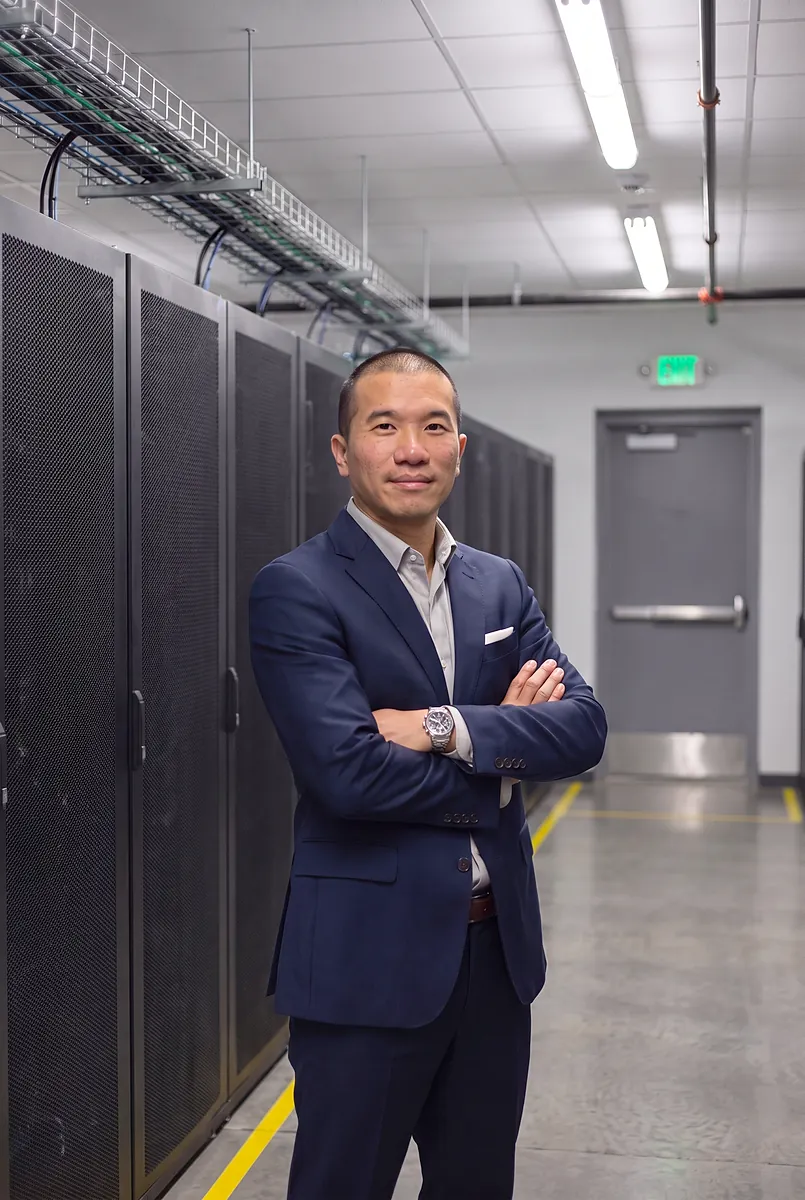
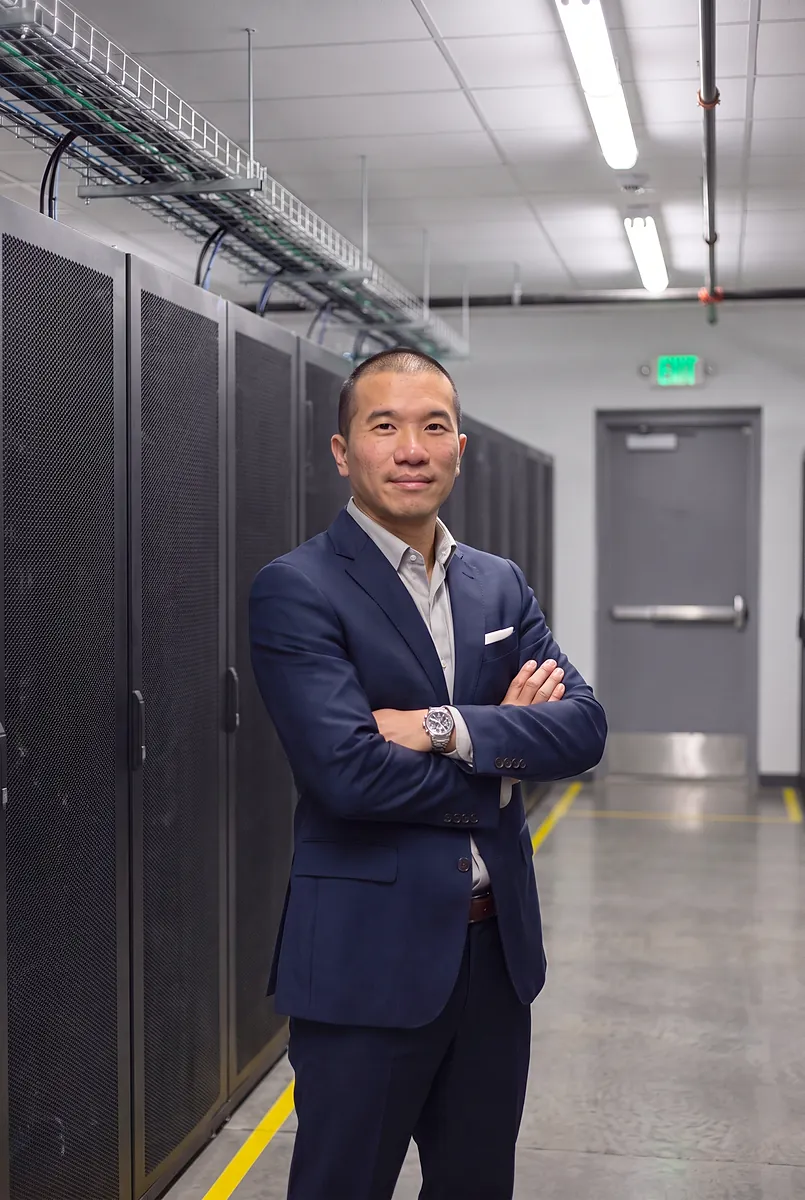
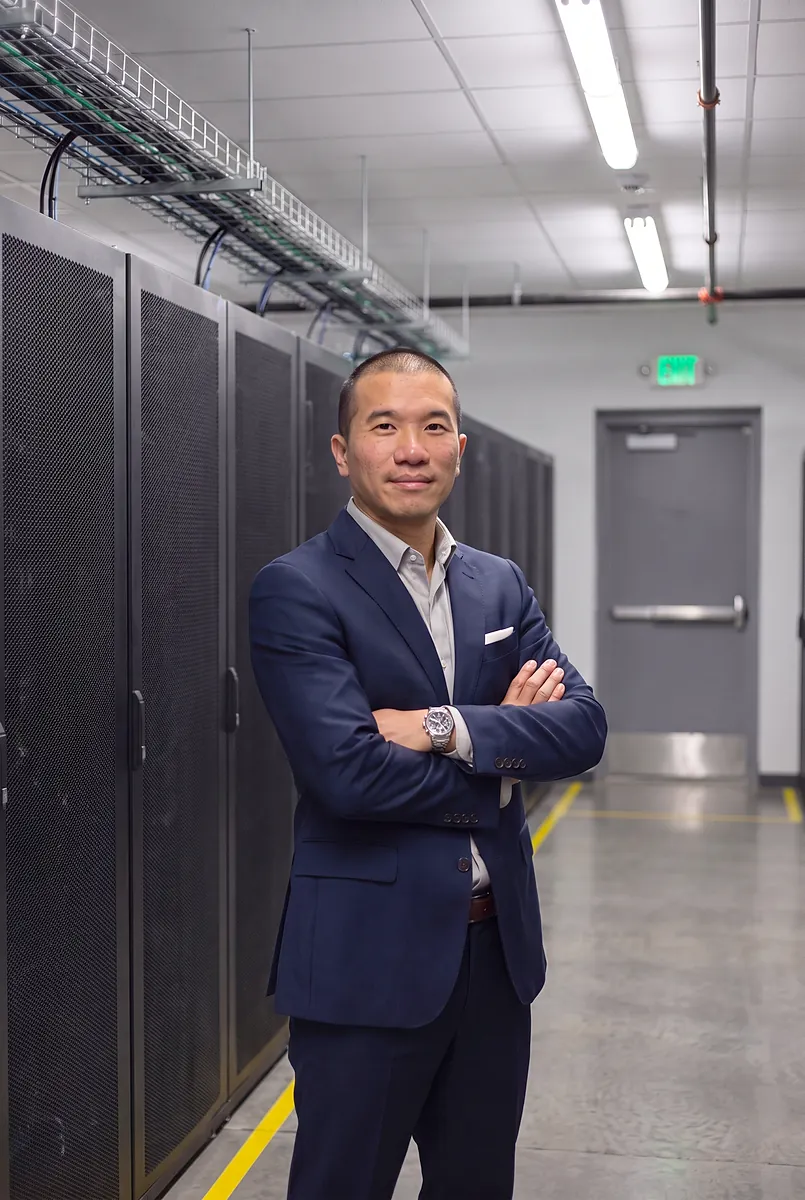
I'm Jimmy. I have worked in data at Fortune 500 companies, as a data analyst, a data engineer and a software engineer, and I am trained in data science. I am also a Canadian military veteran, where I worked on data analysis and reporting.
If you want to sell your data, I am your broker and technical advisor. I bring your data to several AI companies, and I guide your team through the technical side, including compliance. AI companies pay my fee.
Already shopping your data around? Contact us anyway. We can still work through the terms with you and help you negotiate a better price.
If you are buying data for an AI lab, I find the right data and see it through to delivery, so you can focus on AI research.
So what does the plant itself produce? Think of a binder with 5 tabs. First, the standard operating procedures, which are the written steps for production, cleaning and calibration. Second, the deviation reports, which show what went wrong and what changed. Third, project notes about timelines and supplier problems. Fourth, training materials. And fifth, the technical support questions that sites ask each other, with the answers.
Here is why these documents are such good material. The US Food and Drug Administration's rules for making drugs, in Part 211, require written procedures for production and process control, and any deviation from them has to be recorded and justified. So a procedure arrives with its revision history, and every change has a stated reason. A method together with the reason it changed is rare in other industries, and that is what makes it worth reading.
The deviation report is the second strong example. The same rules require a written investigation, with its conclusions and follow-up, whenever a batch has a problem. A good report walks through what happened, what the team found, what caused it and what changed. For the data we license, we de-identify your data, which means we remove the product names, the batch numbers and the staff names, and the story of the problem and its fix stays.
Now the part that stays private and is never licensed to an AI lab. Trial and patient data is out of every set. So are the formulas and compound data, the filings and letters exchanged with regulators, and anything that a partner's or a supplier's agreement says must stay private. That private part is the science. The plant around it is a separate pile of data, and it is the pile this video is about.
One more check is whose data it is. A drug maker that also makes products for other companies may hold documents that belong to those clients under the production agreement. Those documents are left out unless the client agrees, and your counsel confirms which ones they are. The same goes for anything a partner or a supplier has a say in.
Suppose a specialty drug maker with 200 employees and a plant that has run for years. The company is made up, only to show the idea. It sorts its data into 9 kinds. 5 are kept out: the trial data, the formulas, the filings, the client documents and the partner terms. The other 4, the procedures, the deviation reports, the training materials and the support questions, are listed. So 4 of the 9 kinds can go in front of an AI lab, after the quality head approves a de-identified sample.
Now walk through your own plant with 3 questions. Who signs off on this document? Whose content is in it, yours, a client's or a partner's? And does it name a product that is still in development? If the answers are a named owner, your own content and no product in development, the document is a candidate for your list. Keep a short sheet of the answers, and you will see your position before any AI lab asks.
When your list is approved, here is what I do. I show a de-identified sample to several AI companies and AI labs, collect their offers so you can compare them, and you make the final call. On the data side, I help your team with the file format and the export. Contracts and insurance are between you and the AI lab and depend on the deal, so we start only after your team signs off.
A drug company does not have to open its science to have something an AI lab wants to read, because the way the plant runs is a separate pile of data.
If you run a company with 30 or more people, the data you already have could become a new revenue stream.
Want to find out?
Try our data value calculator at AITrainingDataBroker.com: it gives you an estimate, not a final offer.
If you have further questions, leave them in the comments, and I will answer them in the next video.
Thank you for watching.
I will see you next time.
More slides
AITrainingDataBroker.com
Fintech and
Health Tech
Data for AI Labs
Data for AI Labs
What can be licensed, what stays locked away, and the rules to check first
Jimmy Lin
AITrainingDataBroker.com
Martech and Adtech
Company Data
AI Labs Want?
AI Labs Want?
What can be licensed, what is left out, and what to check first
Jimmy Lin
AITrainingDataBroker.com
Can a University or
Research Lab
Sell Data to AI?
Sell Data to AI?
Who owns it, who can license it, and the checks that come first
Jimmy Lin