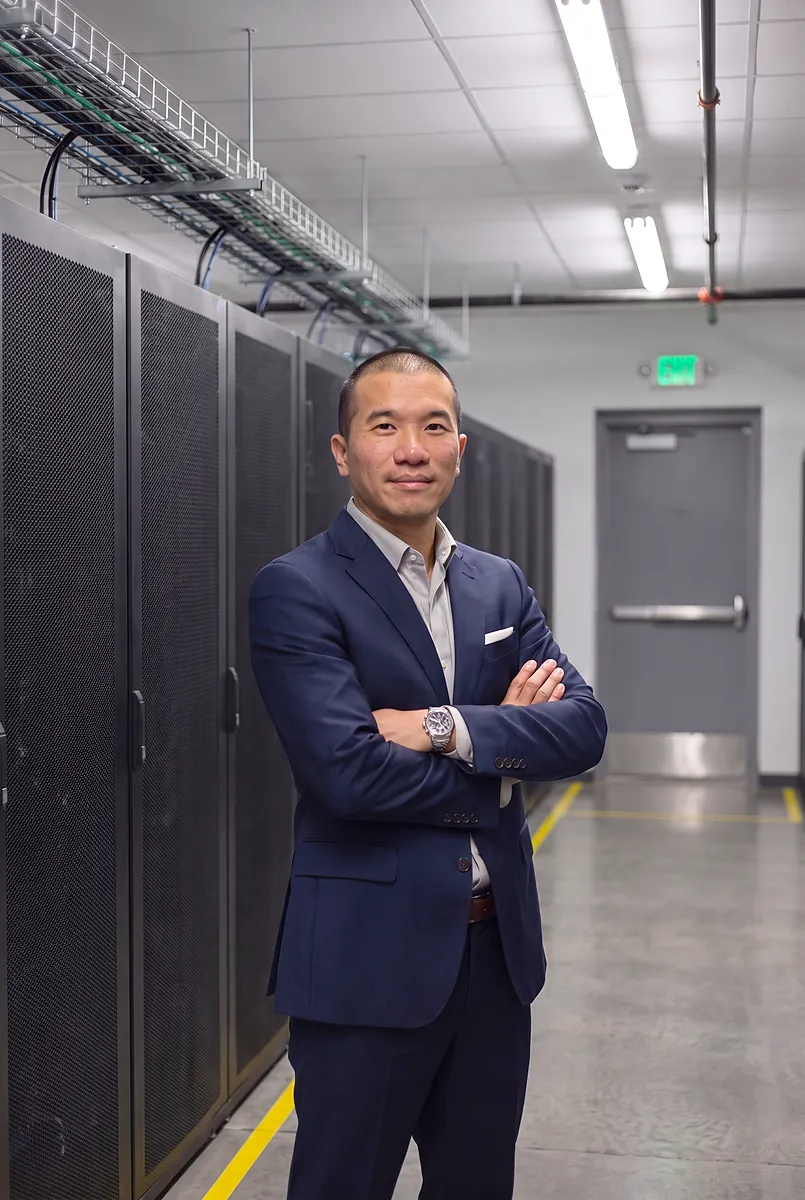
How Much Money Did Companies Get for Selling Data to AI?
AITrainingDataBroker.com
How much money did
companies get for
selling data to AI?
What the filings say Reddit, Wiley, Informa and HarperCollins were paid, and what that means for your data
Jimmy Lin
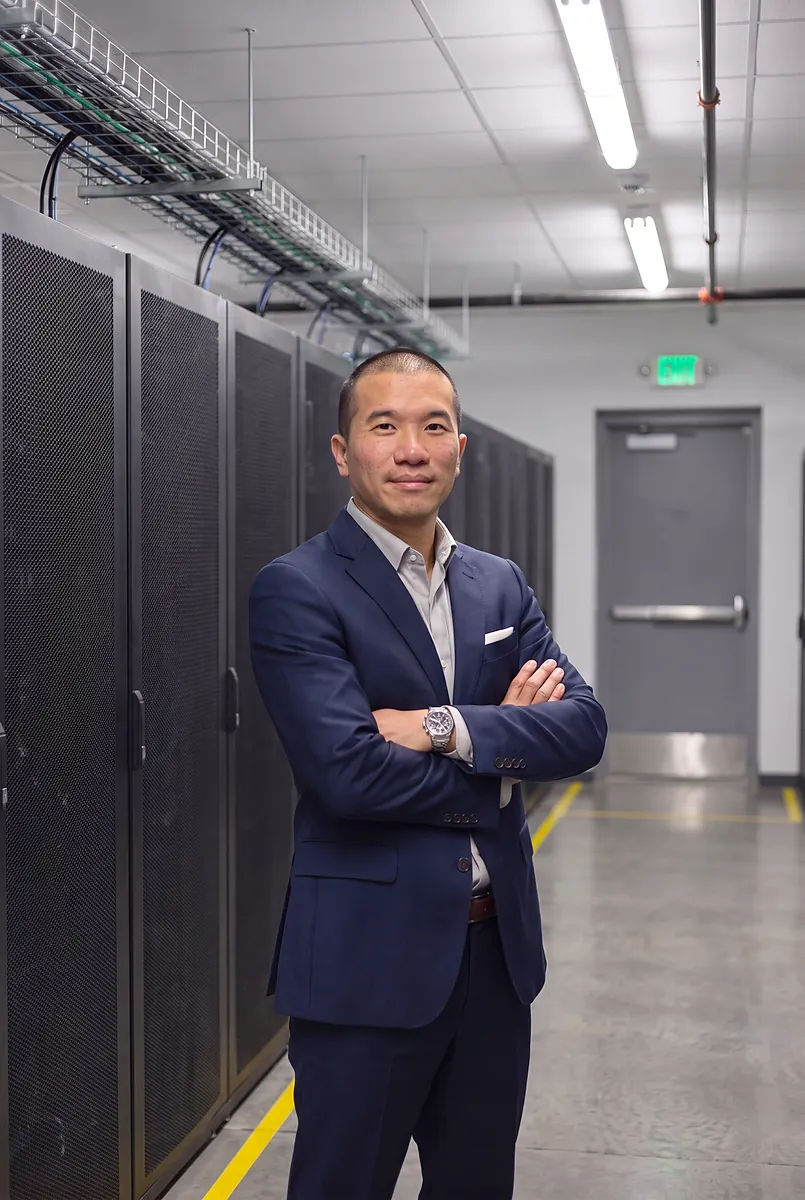
How much money did companies get for selling data to AI?
How much money did companies get for selling data to AI? The headlines give huge numbers, but the filings say more. I read them, so you do not have to.
The video
The video for these slides is on its way. It will play here as soon as it is on our channel.
Subscribe on YouTubeFull script
How much money did companies get for selling data to AI? The headlines give huge numbers, but the filings say more. I read them, so you do not have to.
Take one real number. In February 2024, Reddit told the US Securities and Exchange Commission that its data licensing deals had a total contract value of $203.0 million, over terms of 2 to 3 years. Most people think a number like that shows what data is worth. It does not: it shows what one company's data brought in under one set of contracts. This video is general information, not legal advice. First, let me tell you who I am.
I'm Jimmy. I have worked in data at Fortune 500 companies, as a data analyst, a data engineer and a software engineer, and I am trained in data science. I am also a Canadian military veteran, specialized in data analysis and reporting.
If you want to sell your data, I am your broker and technical advisor. I bring your data to several AI companies, and I guide your team through the technical side, including compliance. AI companies pay my fee.
Already shopping your data around? Contact us anyway. We can still work through the terms with you and help you negotiate a better price.
If you are buying data for an AI lab, I find the right data and see it through to delivery, so you can focus on AI research.
Look inside that number, and the same filing says Reddit expected at least $66.4 million of it to count as revenue in 2024, while the customer gets constant access to the data plus a new copy every quarter. It is a supply, not one payment. Reddit also warns that nearly all of the value comes from 1 partner. For scale, its whole business earned $804.0 million in 2023, and its other revenue, which includes data licensing, was only $15.2 million.
Publishers took another path: they reported theirs as revenue. Wiley told investors in June 2025 that AI licensing brought in $23 million in its 2024 fiscal year and $40 million in 2025, from large tech companies. Informa, which owns the academic publisher Taylor and Francis, said in July 2024 that it expected more than $75 million from its AI deals that year. That covers access to old content, plus yearly fees over the next 3 years for new content.
Books worked differently again, because they were priced one at a time. In November 2024, Publishers Weekly reported that HarperCollins offered its authors $5,000 per book, so an AI company could use select nonfiction backlist titles for 3 years. The money is split evenly, $2,500 to the author and $2,500 to the publisher, and each author must opt in. That is a price for one book, not for a whole library.
Then there are deals with no number at all. When the Financial Times announced its deal with an AI company in April 2024, TechCrunch reported that the financial terms were not being made public. It was also understood to be non-exclusive, so the same articles can be licensed to others. That is why the numbers you see mostly come from companies that report to investors.
Now put the 4 side by side. One is a total over 2 to 3 years. One is a year of revenue. One is the price of a single book. And one has no number at all. It is not about which number is biggest, but about what each one counts, and none of them counts a record, a gigabyte or a business. That means you can not divide any of them into a price for your data.
The reason is simple: those deals sold big, public libraries of content, held by one platform or one publisher and built up over many years. Your data is private. It holds your customers' information, and some of it may belong to your clients. The first question is not the price, it is whether your data can be licensed at all. That depends on your contracts and the privacy rules that apply, so ask your own counsel.
What does set the price? An AI lab looks at 5 things first: how many years your data covers, how much of it there is, whether it shows how the work was done and how it ended, whether the rights are clearly yours, and whether it is de-identified. A sample and several offers fill in the blank, so nobody can name your number before then. This will not fit every company: some data is too small or too thin for an AI lab, and a sample is how we find out.
Next comes the practical part. You send me a small sample, and I take it to several AI companies. Each one makes an offer, and you compare them, because a price comes from competing offers, not from a headline. I work through the terms with you, and you make the final call. As your technical advisor, I guide your team through the technical side: what to export, the format, how your data is de-identified, and compliance. The AI company pays my fee, and only after a deal closes. We move forward only after your team signs off.
The next headline with a huge number is worth one question: what is it counting, and for how long?
If you run a company with 30 or more people, the data you already have could become a new revenue stream.
Want to find out more? You can visit AITrainingDataBroker.com to learn how licensing your data works.
If you have further questions, leave them in the comments, and I will answer them in the next video.
Thank you for watching.
I will see you next time.
More slides
AITrainingDataBroker.com
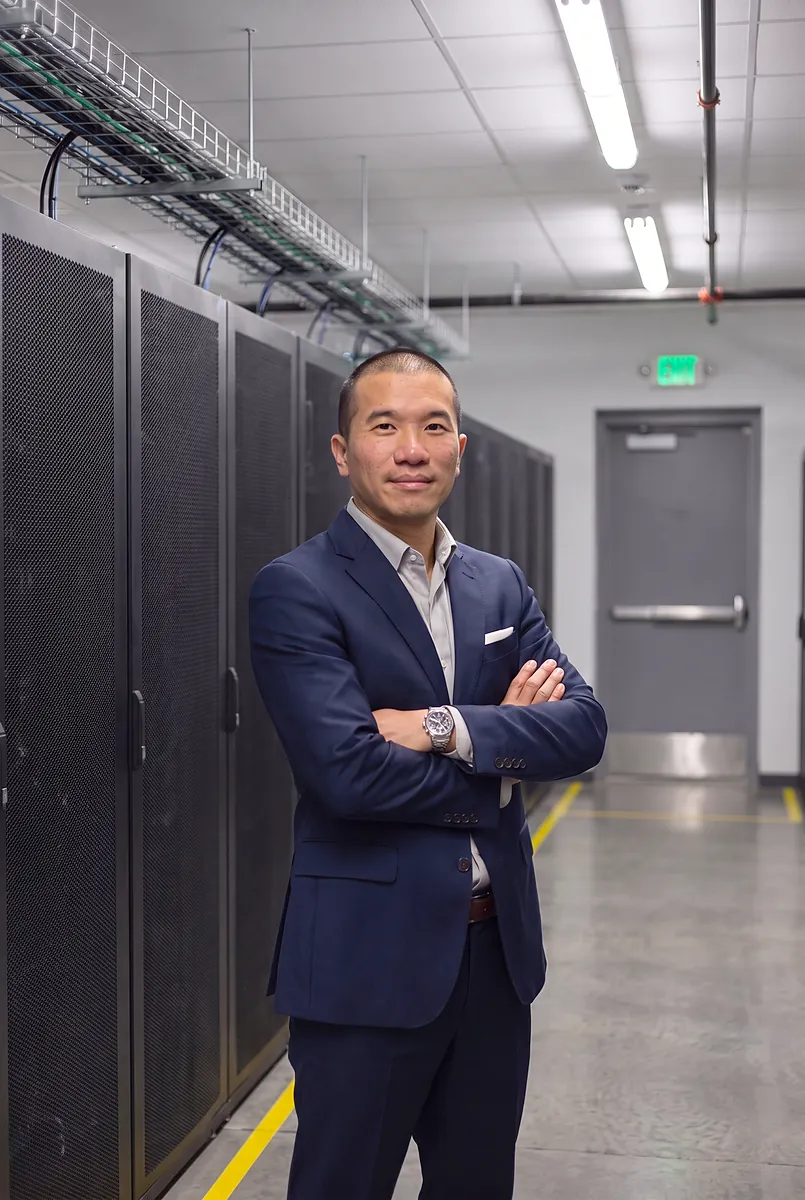
Can You Sell Private
RL Environments
to AI Labs?
What an RL environment is, and what decides whether an AI lab may license one you built on your own
Jimmy Lin
AITrainingDataBroker.com
Can a Call Center
Sell Its Data
to AI?
What a call center keeps from every call, and what decides first whether an AI lab may license it
Jimmy Lin
AITrainingDataBroker.com
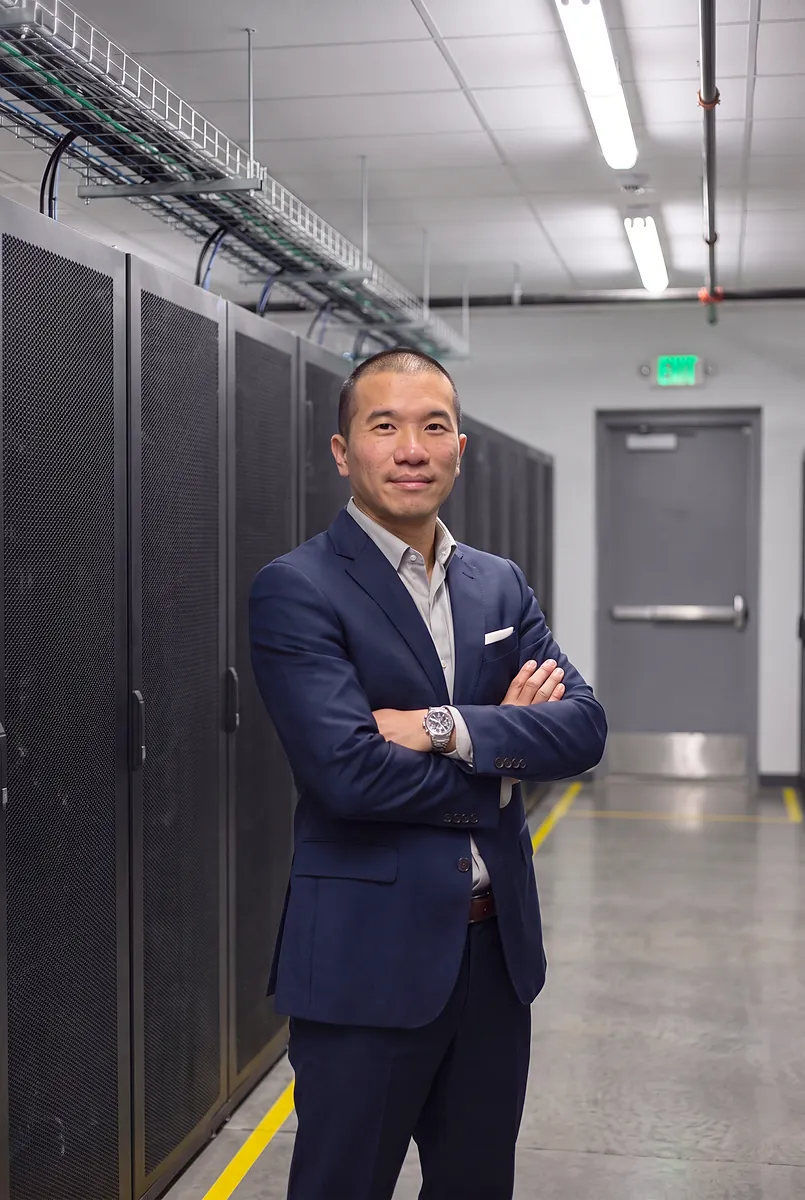
Automotive and
Aerospace CAD: Can
You Sell or License
It to AI?
What a car or aircraft maker keeps in its design files, and what decides whether an AI lab may license it
Jimmy Lin