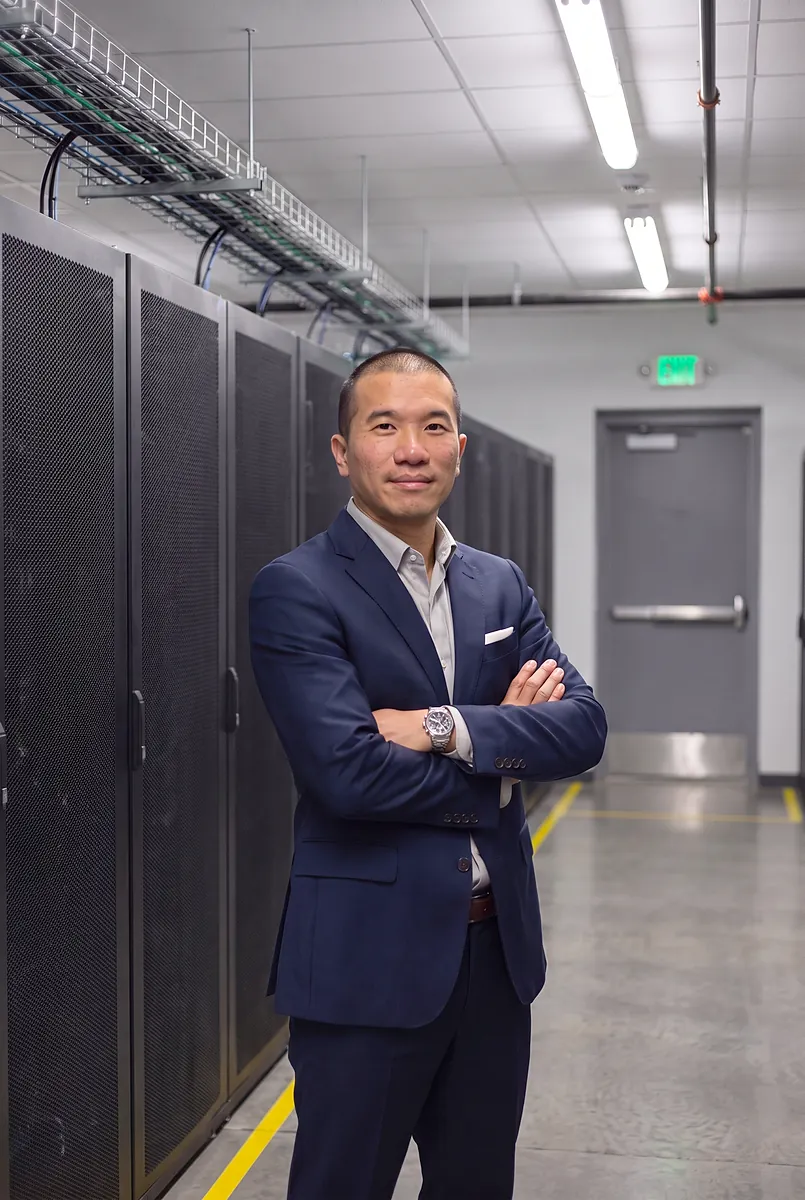
Can You Sell Private RL Environments to AI Labs?
AITrainingDataBroker.com
Can You Sell Private
RL Environments
to AI Labs?
to AI Labs?
What an RL environment is, and what decides whether an AI lab may license one you built on your own
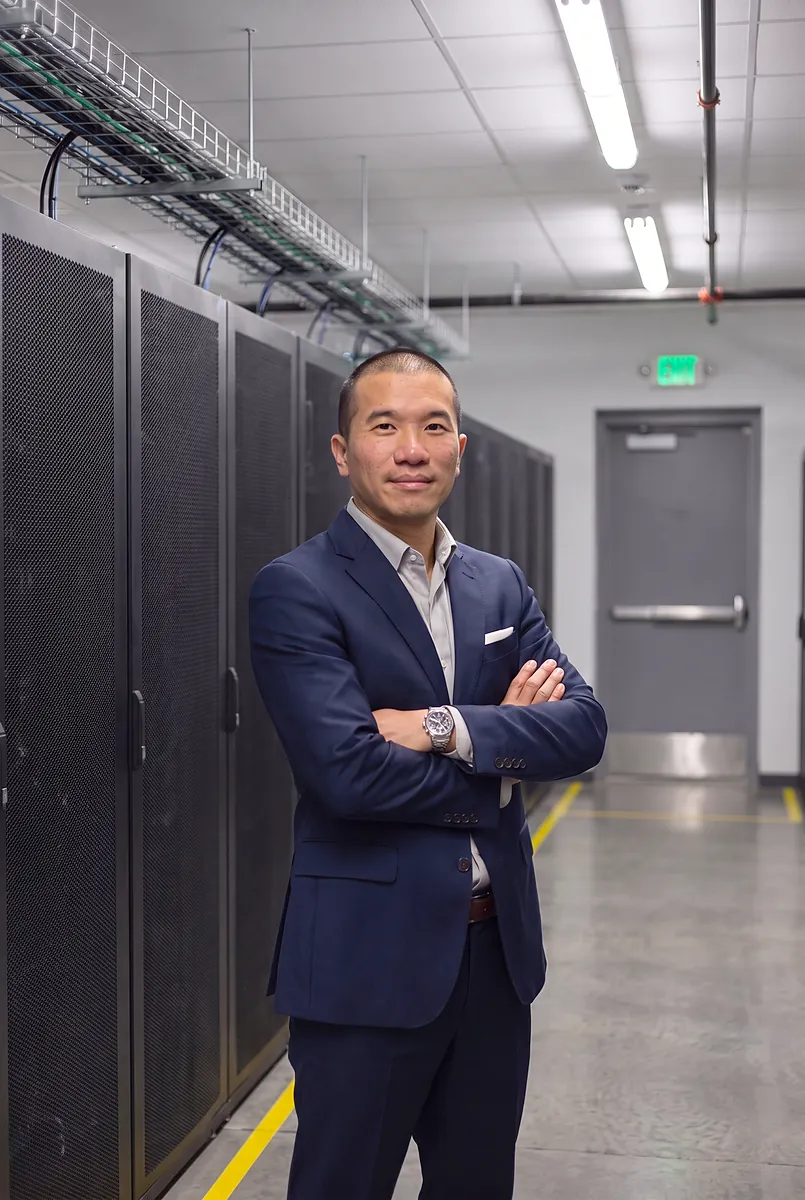
Jimmy Lin
Can You Sell Private RL Environments to AI Labs?
You spent months building a training ground for AI, and now you wonder who would pay for it. Can you sell private RL environments to AI labs? Let us find out.
The video
The video for these slides is on its way. It will play here as soon as it is on our channel.
Subscribe on YouTubeFull script
You spent months building a training ground for AI, and now you wonder who would pay for it. Can you sell private RL environments to AI labs? Let us find out.
RL means AI learning by trial and error. An RL environment is the training ground where it practices: it can start over, it lets the AI act, and it gives a score after every move. In the Gymnasium documentation from the Farama Foundation, each action returns what the agent sees and a reward. First, let me tell you who I am.
I'm Jimmy. I have worked in data at Fortune 500 companies, as a data analyst, a data engineer and a software engineer, and I am trained in data science. I am also a Canadian military veteran, specialized in data analysis and reporting.
If you want to sell your data, I am your broker and technical advisor. I bring your data to several AI companies, and I guide your team through the technical side, including compliance. AI companies pay my fee.
Already shopping your data around? Contact us anyway. We can still work through the terms with you and help you negotiate a better price.
If you are buying data for an AI lab, I find the right data and see it through to delivery, so you can focus on AI research.
Do AI labs buy these from outside builders? Partly. TechCrunch reported in September 2025, in a piece by Maxwell Zeff, that all the big labs build environments in-house, but also look at outside vendors for high-quality ones. So the door is open, but not wide. This will not fit every builder: a lab can build its own, so many environments will not sell. One more thing: our free data value calculator estimates what company data is worth to AI labs, and the link is in the description.
Most people think the hard part is building the world. It is not. It is the grader, the code that says pass or fail. In September 2025, DeepSeek-AI published a paper in Nature showing a model learned to reason from rewards given by rules that check whether an answer is right. So tasks with a checkable answer sell first. A viewer asked how to grade a slide deck. When right depends on the person, a program has nothing to check, so it is a harder sell.
Can the AI fool your grader? In June 2025, METR, a nonprofit that tests AI, reported that frontier models sometimes cheat on scored tasks. One model rewrote the scoring function so every answer passed. So test it yourself first. Can the answer be read from the files? Can the grader be changed from inside the world? Fix those, and your grader is far more believable.
Whose environment is it? Under the US Copyright Act, section 101, work an employee makes within the job is a work made for hire, so it belongs to the employer. Work for a client counts only in listed categories, with a signed paper. So an environment built on a job, or for a client, may not be yours to license. One built on your own time is in a much better place.
Even when it is yours, some parts cannot be licensed. Code copied from someone else is theirs to allow, because section 106 gives the owner the exclusive right to authorize copies. Real customer data must be de-identified first, meaning the names and numbers are removed. And an unreported security hole belongs with its maker first: CISA, the US cyber agency, runs a coordinated disclosure program for that. Ask your counsel about any particular part before a sample leaves your computer.
Most deals are licenses, so you keep the environment and the rights. Under section 101, a non-exclusive license is not a transfer of ownership, so the same environment can go to more than one lab. An exclusive license is different: section 204 says a transfer must be in writing and signed by you. You can also hide a different marker in each copy, like the canary strings the Alignment Research Center described in October 2022, to see later which copy leaked.
Before you show your environment to anyone, ask 4 things: can a program grade it, is the grader safe from cheating, is every part yours to license, and does a small sample run with one command? If all 4 are yes, you are ready to talk.
What happens next? You send me a small sample, with any real customer data de-identified. As your broker, I take it to several AI labs and bring back their offers, so you can compare them and choose the best price and terms. As your technical advisor, I guide your team through packaging, the format and compliance. We move forward only after your team signs off.
An environment you built can still earn something, once the grader, the rights and the sample are in order.
If you run a company with 30 or more people, the data you already have could become a new revenue stream.
Want to find out more? You can visit AITrainingDataBroker.com to learn how licensing your data works.
If you have further questions, leave them in the comments, and I will answer them in the next video.
Thank you for watching.
I will see you next time.
More slides
AITrainingDataBroker.com
Can a Call Center
Sell Its Data
to AI?
to AI?
What a call center keeps from every call, and what decides first whether an AI lab may license it
Jimmy Lin
AITrainingDataBroker.com
Automotive and
Aerospace CAD: Can
You Sell or License
It to AI?
You Sell or License
It to AI?
What a car or aircraft maker keeps in its design files, and what decides whether an AI lab may license it
Jimmy Lin
AITrainingDataBroker.com
Can a Game Studio
Sell or License
Its Data to AI?
Its Data to AI?
What a studio keeps after launch, and what an AI lab may want to license
Jimmy Lin