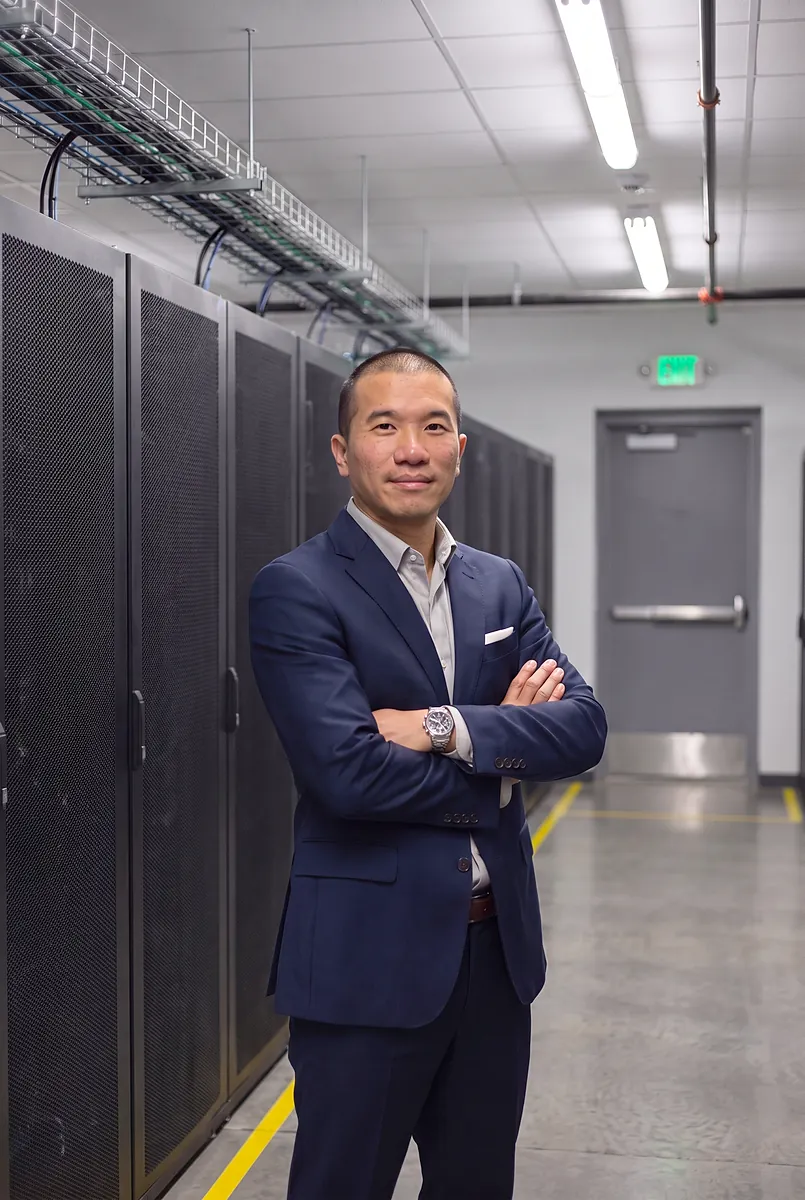
Can an Investment Firm Sell or License Its Deal Files to AI?
AITrainingDataBroker.com
Can an investment
firm license its
deal files to AI?
Memos, models, committee notes and the deals you passed on: what AI companies may want, and what is never shared.
Jimmy Lin
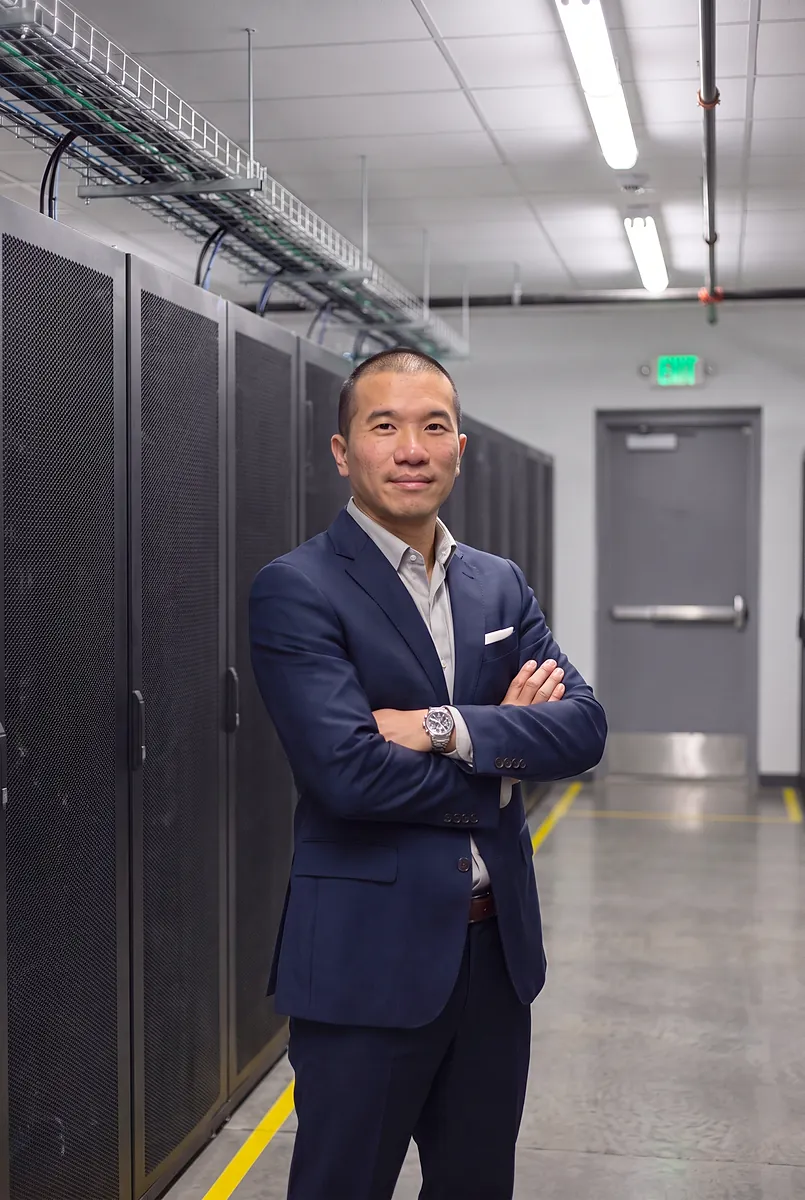
Can an investment firm license its deal files to AI?
If you run an investment firm, you have probably said no to far more companies than you ever said yes to, and every one of those no's came with a reason.
In this video, I will show you why those reasons matter to AI companies, which deal files you can license and which ones are never shared, starting with one number about how often investors say no.
The video
Full script
If you run an investment firm, you have probably said no to far more companies than you ever said yes to, and every one of those no's came with a reason.
In this video, I will show you why those reasons matter to AI companies, which deal files you can license and which ones are never shared, starting with one number about how often investors say no.
That number comes from a survey of about 900 venture capitalists, published in 2020 in the Journal of Financial Economics.
For every deal a venture firm closes, it looks at about 101, and each of the other 100 was turned down for a reason that someone at the firm thought through.
So most of an investment firm's judgment is not in the deals it made, but in the deals it passed on, and much of that is written down.
Before we open those deal files, let me tell you who I am.
I'm Jimmy. I have worked in data at Fortune 500 companies, as a data analyst, a data engineer and a software engineer, and I am trained in data science. I am also a Canadian military veteran, where I specialized in data analysis and reporting.
Are you selling your data? We are your broker and technical advisor. We get you the best price, and we guide your team through the technical side, so your data stays private.
Are you buying data for an AI lab? We find the right data for you and see it through to delivery, so you can focus on advancing AI research.
So, let us start with the funnel that every investment firm knows.
In the same survey, for every deal that closed, the firm looked at about 101 and met the team behind about 28 of them.
Every step down that funnel leaves a note behind, like a short screening note, a call summary or a reason to pass, which shows how your team decides.
Now, what is inside one deal file? It usually starts with a screening note that says why the company is worth a look.
Then comes the model with the numbers and the cases, and then the investment memo, which lays out the thesis and the risks.
Finally, the investment committee asks its questions and votes, and those committee notes are often the most valuable part, because they show where the thinking changed.
Here is what that looks like for one deal. Say the memo describes a logistics software company with $12 million in revenue, growing 40% a year.
The committee reads it and passes, because the top 3 customers make up 61% of the revenue, and that is too much risk.
2 years later, the largest customer leaves, so your file now holds a decision, the reason behind it and what happened next, which is exactly the kind of data an AI company can learn from.
Does finance data really make a difference? In 2023, Bloomberg trained its own AI model, called BloombergGPT, and built it on 363 billion tokens of financial data, where tokens are the small pieces of words an AI model learns from.
The paper reports that the model did better on financial tasks than similar models, without getting worse at general tasks.
News and filings are public, but the reasoning inside your memos and committee notes is not, which is why it is so hard to find.
Now, which of these files can an investment firm license? Your own memos, models and committee notes were written by your team, so they are usually yours.
The files in a data room belong to the company you looked at, and they come under an NDA, so they are never shared, and if a memo copies from them, we leave that part out of the license.
Reports from your portfolio companies depend on the agreement you signed with them, so we check it first, and the details of your own investors, like names, amounts and contacts, are never shared.
This is not legal advice, so ask your own lawyer.
Before any AI company sees a file, we de-identify your data, which means we strip out the company names, the names of the founders and of your own team, and the exact figures.
For example, Corvane Logistics becomes Company 112 in every memo, model and email, and Lena Ortiz, who led the deal, becomes Partner 4.
The exact revenue becomes a range, but the reason to pass stays, because the reason is what the AI company wants to learn from.
And because it is a license, not a sale, you keep your files and keep using them.
Of course, some investment firms have more to offer than others, so which deal files count the most?
The deals you passed on count, as long as the reason is written down, and so do 10 years or more of deal files and the committee notes behind them.
It also helps when you know what happened next, like how a company did after you passed, and when the models are kept in their original spreadsheets.
And a firm that goes deep in one sector or strategy, like health care or software, has data that is harder to find anywhere else.
How does an investment firm get from years of deal folders to a signed license? That is my job, as your data broker and technical advisor, and a data broker here means I bring your data to AI companies, not that I trade stocks or sell companies.
As your data broker, I bring your data to several AI companies and AI labs so they compete for it, and I work through the terms with you, and you make the final call.
On your side, the main job is exporting the deal folders, and as your technical advisor, I guide your team through it, help sort the memos, models and committee notes for each deal, and make sure we de-identify your data before any AI company sees it.
Nothing moves until your team signs off, and I am paid only when a license is signed, so if no license is signed, you pay nothing.
So, could the deals you passed on still pay, years after the committee said no? Now you know which deal files to look for.
If you run a company with 30 or more people, the data you already have could become a new revenue stream. You can find out if yours qualifies, for free, at AITrainingDataBroker.com.
If you have further questions, leave them in the comments, and I will answer them in the next video.
Thank you for watching, and I will see you next time.
More slides
AITrainingDataBroker.com
Can a consulting firm
license its client
work to AI?
Reports, drafts, models and partner reviews: what AI companies may want, and what your clients keep private.
Jimmy Lin
AITrainingDataBroker.com
Can a manufacturer
license its
data to AI?
Quotes, drawing changes, shop floor notes and failed parts: what AI companies may want, and what stays private.
Jimmy Lin
AITrainingDataBroker.com
Can a property management
company license
its data?
Work orders, tenant messages and lease paperwork: what AI companies may want, and what stays private.
Jimmy Lin