Why You Need Written Proof Your Data Was De-identified
AITrainingDataBroker.com
Why You Need
Written Proof
of De-identification
From: the team that cleaned it
“Names are out. All good.”
3 parts: why · what it says · red flags
Jimmy Lin
Why You Need Written Proof of De-identification
Your data is ready to go to an AI lab, and the team that cleaned it says the names are out.
You ask how they know.
The reply is one line: all good.
If something was missed, that one line will not do much to protect you.
The video
Why You Need Written Proof Your Data Was De-identified
Full script
Your data is ready to go to an AI lab, and the team that cleaned it says the names are out.
You ask how they know.
The reply is one line: all good.
If something was missed, that one line will not do much to protect you.
A Chicago hospital learned this in June 2019, when a patient sued it and Google over patient data it had shared for research.
The hospital called the data de-identified.
But the complaint said dates of service and doctors' notes were still in it.
A judge threw the case out, and in July 2023 an appeals court agreed.
Even so, the hospital spent 4 years in court.
The company that shares the data can end up in court too, not only the AI company.
Why was the company that shared the data at risk at all?
Many owners think that once the names are out, the risk is gone.
But a name is only one thing that can point to a person.
A date, a street address or one line in a note can do it too.
And things get missed.
When something is missed, the first question is who checked the data, and what they wrote down.
Without a written record, it is your word against theirs.
That is why written proof matters so much.
First, it shows you took care, with a record of what was done before any data left your company.
Second, it names who did the work, so the job sits with them and not only with you.
Third, it ties into the contract, which can say who pays if something goes wrong.
Proof does not make every risk go away.
But it puts the work on paper.
Then who should give you the proof?
It will not work unless it comes from whoever de-identified your data, which means whoever stripped out the names, codes and dates.
That may be your own team, an outside vendor, or the AI lab's own team.
If the AI lab cleans the data after it arrives, the raw data has already left you.
So get their steps in writing first.
What should the proof say?
For health data, HIPAA, the US health privacy rule, already gives a good model.
When an expert decides health data is de-identified, the rule asks the expert to document the methods and results.
Outside health data, the same idea works well.
The proof names the data and the years it covers.
It says what was taken out or changed, and how a sample was checked.
And it names who did the work and when, and someone signs it.
But even good proof has a limit.
It is a record, not a promise that nothing was missed.
No method takes the risk all the way to zero, and a good report says plainly what risk is left.
And this step will not fit every company the same way.
If your data holds no personal information, like machine logs, there may be nothing to strip out.
Then a short note that says so is enough.
So how can you tell if the proof for your data is good enough?
Listen for these red flags, and if you hear one, stop and ask why.
The first is trust us, with nothing in writing.
Next is a one-line email with no sample checked.
Then there is a report with no name, no date and no signature.
Watch out for we will clean it after you send it, with no steps written down.
And last, a contract that is silent on who is responsible for a mistake.
You may be wondering where this proof fits in a real deal.
It belongs in the license, next to the part that covers mistakes in the data.
So it helps to have a broker read the contract with you.
A broker checks the de-identification terms and the proof behind them.
Your own lawyer then reviews the legal side, because the rules change from state to state and country to country.
So who can check all of this with you, offer by offer?
That is where I come in.
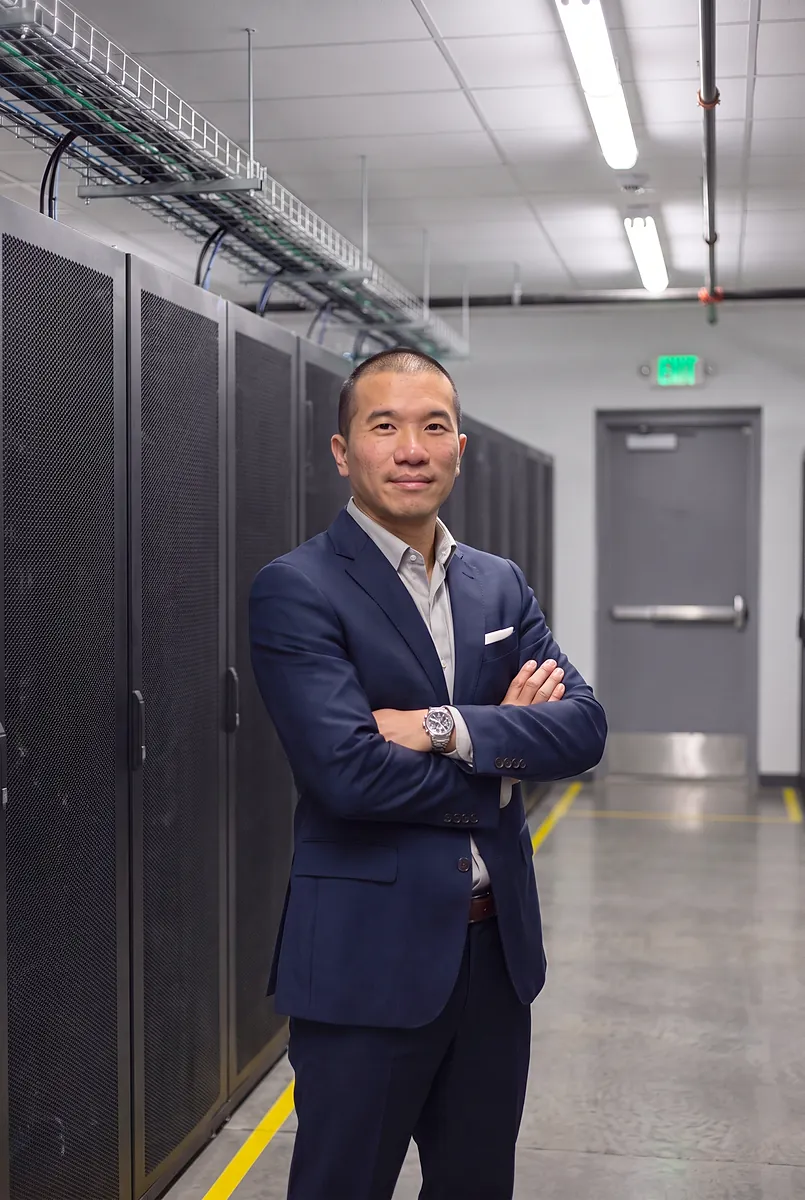
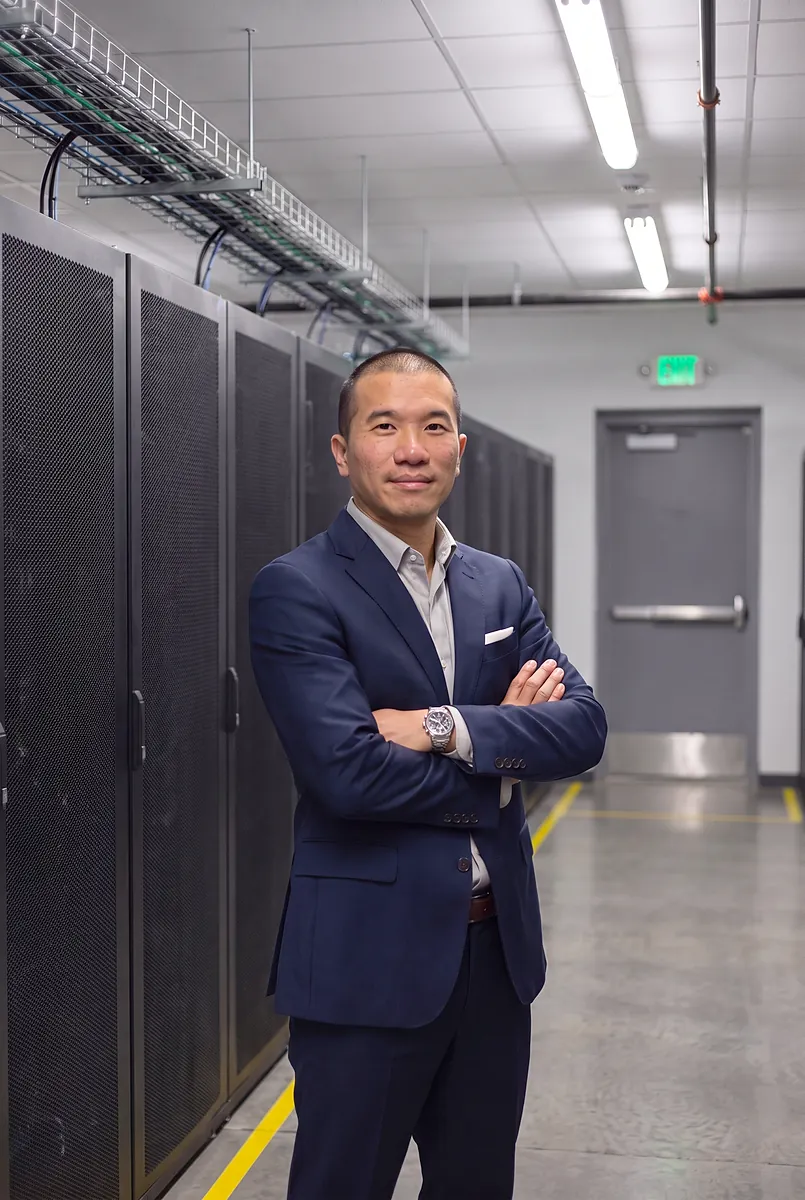
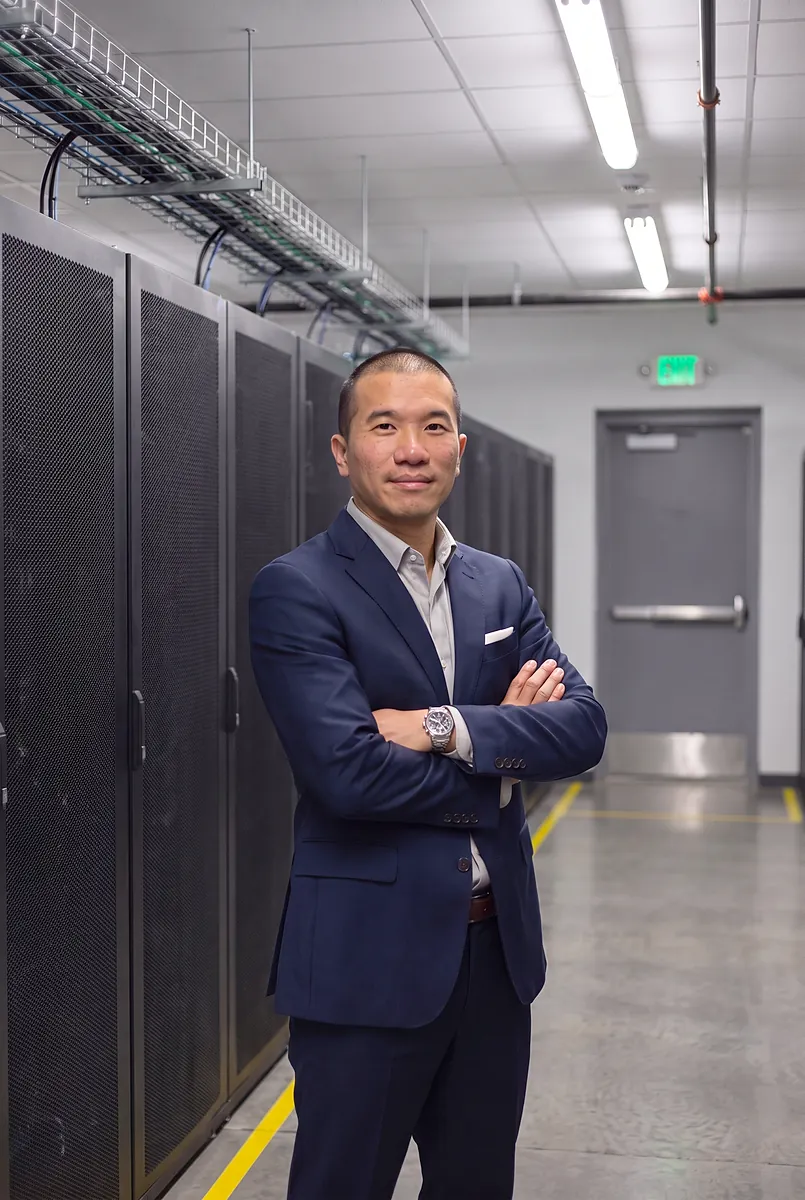
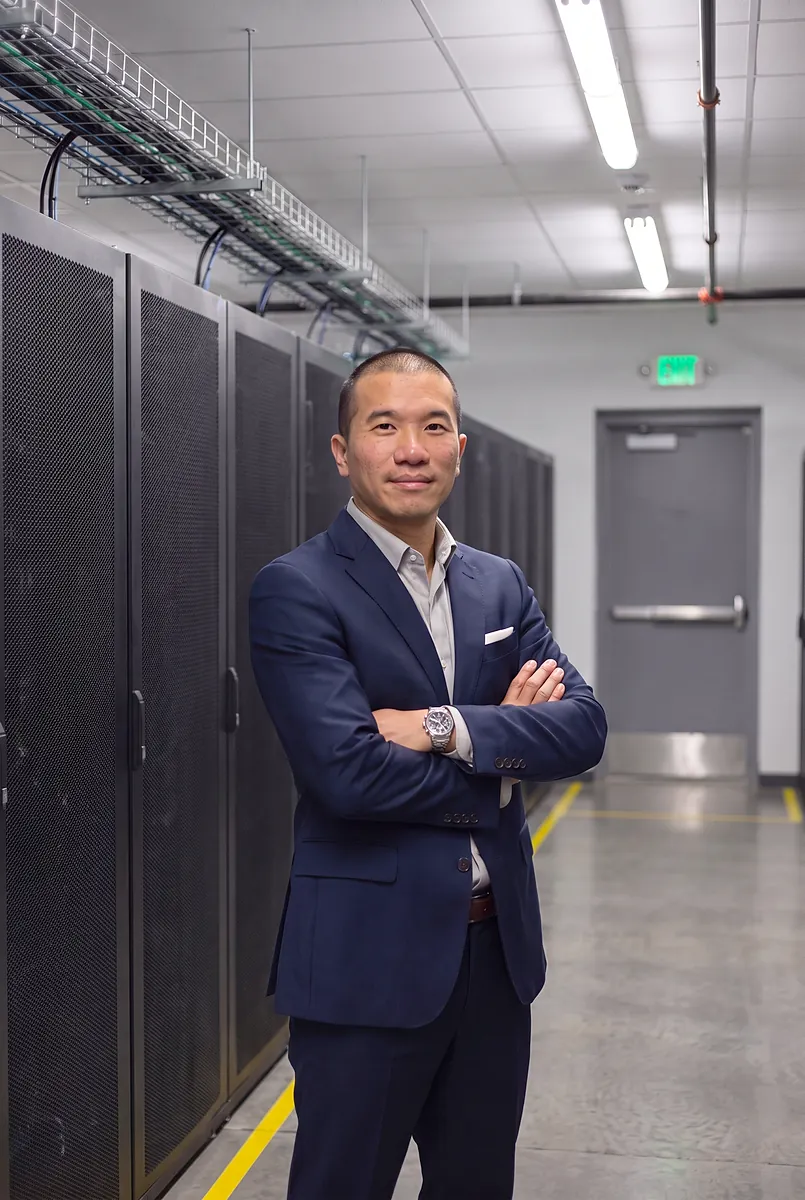
I'm Jimmy. I have worked in data at Fortune 500 companies, as a data analyst, a data engineer and a software engineer, and I am trained in data science. I am also a Canadian military veteran, specialized in data analysis and reporting.
As your broker, I help you create relationships with AI labs and bring back their offers, so you can compare the price and the terms before you decide.
As your technical advisor, I guide your team through what to export, the format, the de-identification and compliance.
I work on commission only, paid by the AI lab.
If you are buying data for an AI lab, I find the right data and see it through to delivery, so you can focus on AI research.
Before any data leaves your company, ask whoever cleaned it for the proof, in writing and signed.
More on de-identifying your data at AITrainingDataBroker.com.
Thank you for watching.
I will see you next time.
More slides
AITrainingDataBroker.com
What Does
“Indemnify” Mean
When You Sell Data?
Furniture brand
AI lab
Design studio
3 parts: the promise · the cap · the rule
Jimmy Lin
AITrainingDataBroker.com
Why You Get
Less Money
After Review
306,000
files, after review
3 parts: the review · the cuts · the fix
Jimmy Lin
AITrainingDataBroker.com
Hidden Costs of
Selling Your Data
to AI Companies
Lawyers
Tax
Insurance
Files
3 parts: the costs · the math · the asks
Jimmy Lin