Why You Get Less Money Than Your Contract Says
AITrainingDataBroker.com
Why You Get
Less Money
After Review
306,000
files, after review
3 parts: the review · the cuts · the fix
Jimmy Lin
Why You Get Less Money After Review
An engineering firm licenses 340,000 CAD files to an AI lab and sends the whole archive on one drive.
About 6 weeks later, the payment arrives for 306,000 files.
So 34,000 files were never paid for.
The numbers are only an illustration, but in the deals I work on, the total often goes down after review.
The video
Why You Get Less Money Than Your Contract Says
Full script
An engineering firm licenses 340,000 CAD files to an AI lab and sends the whole archive on one drive.
About 6 weeks later, the payment arrives for 306,000 files.
So 34,000 files were never paid for.
The numbers are only an illustration, but in the deals I work on, the total often goes down after review.
That gap is 10% of the fee, and it was lost after the contract was already signed.
Most owners think the AI lab was just being picky.
It is actually something else.
In most cases, the manifest did not match the files on the drive.
The manifest is the list of files the owner gave at the start.
So let us see how a review works, and where that count goes wrong.
It starts with the delivery, because in a typical license you deliver the full dataset before any money moves.
That means the folders, the complete project list, the agreed file count, proof the files are yours, and your invoice.
Then one window starts for the AI lab to review and pay.
It often runs about 6 weeks of business days, and the clock starts only when the delivery is complete.
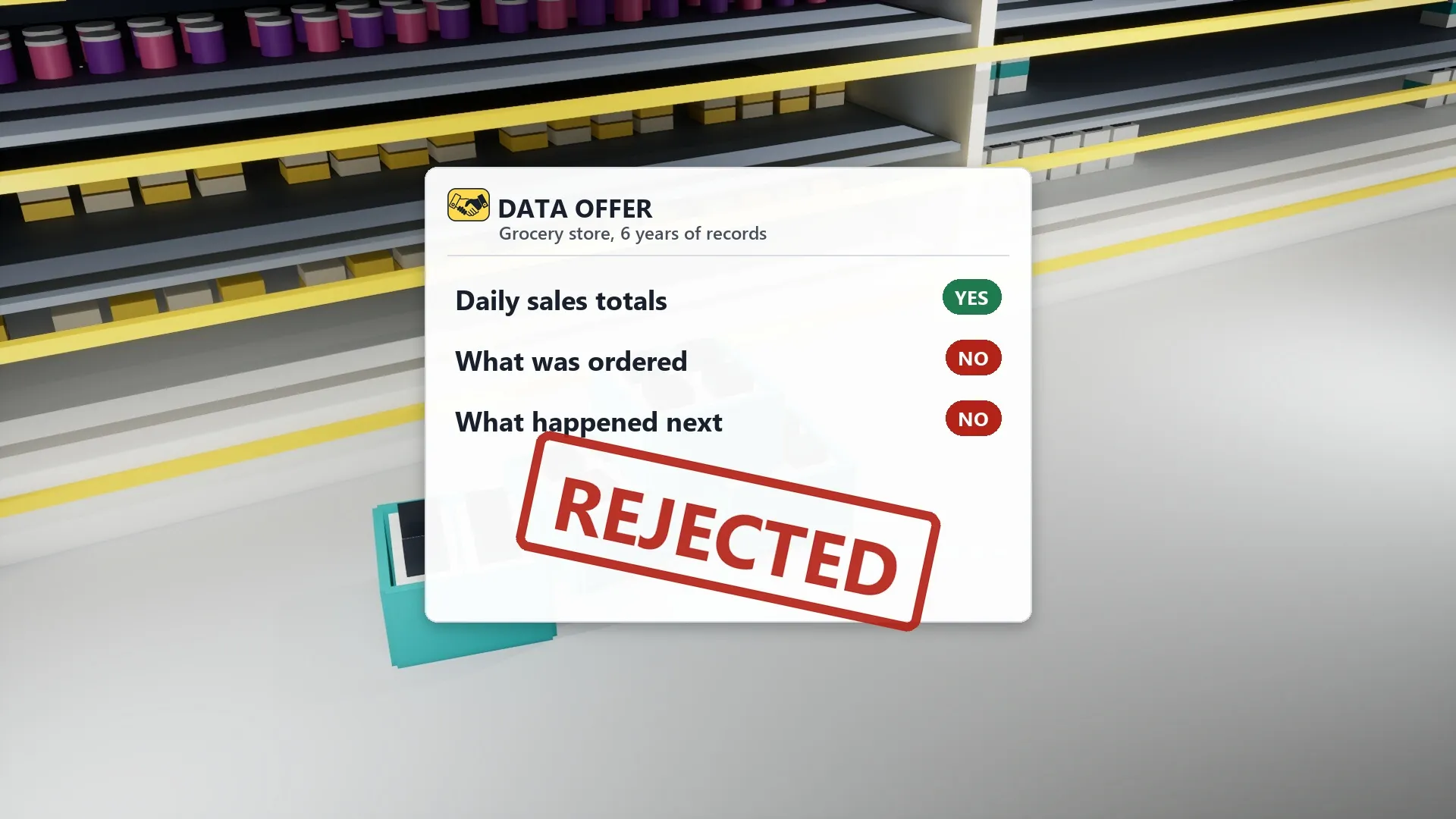
In the end, the AI lab pays only for the files it clearly accepts.
How much does one file cost you, then?
Before you sign, the fee is divided by the agreed number of files, and that gives a price per file.
That price is fixed, and it does not go down later.
So every file that fails review costs you exactly that much.
Extra files you did not promise do not raise the fee, and they do not make up for missing ones.
Then what makes a file fail?
It can be missing, corrupt, or behind a link that no longer opens.
It can be unusable, or not what the contract describes.
It can also be a file you have no right to license, such as work that belongs to a client.
Or it can be a duplicate.
That one surprises owners the most.
Here, a duplicate is a file with mostly the same content as another, even with a different name, folder or format.
Take one bracket from our engineering firm.
It has the native CAD file, a STEP export and a PDF drawing.
The Library of Congress, in its guide to file formats, describes STEP as a way to move product data between systems.
So to the AI lab, those 3 files are one part.
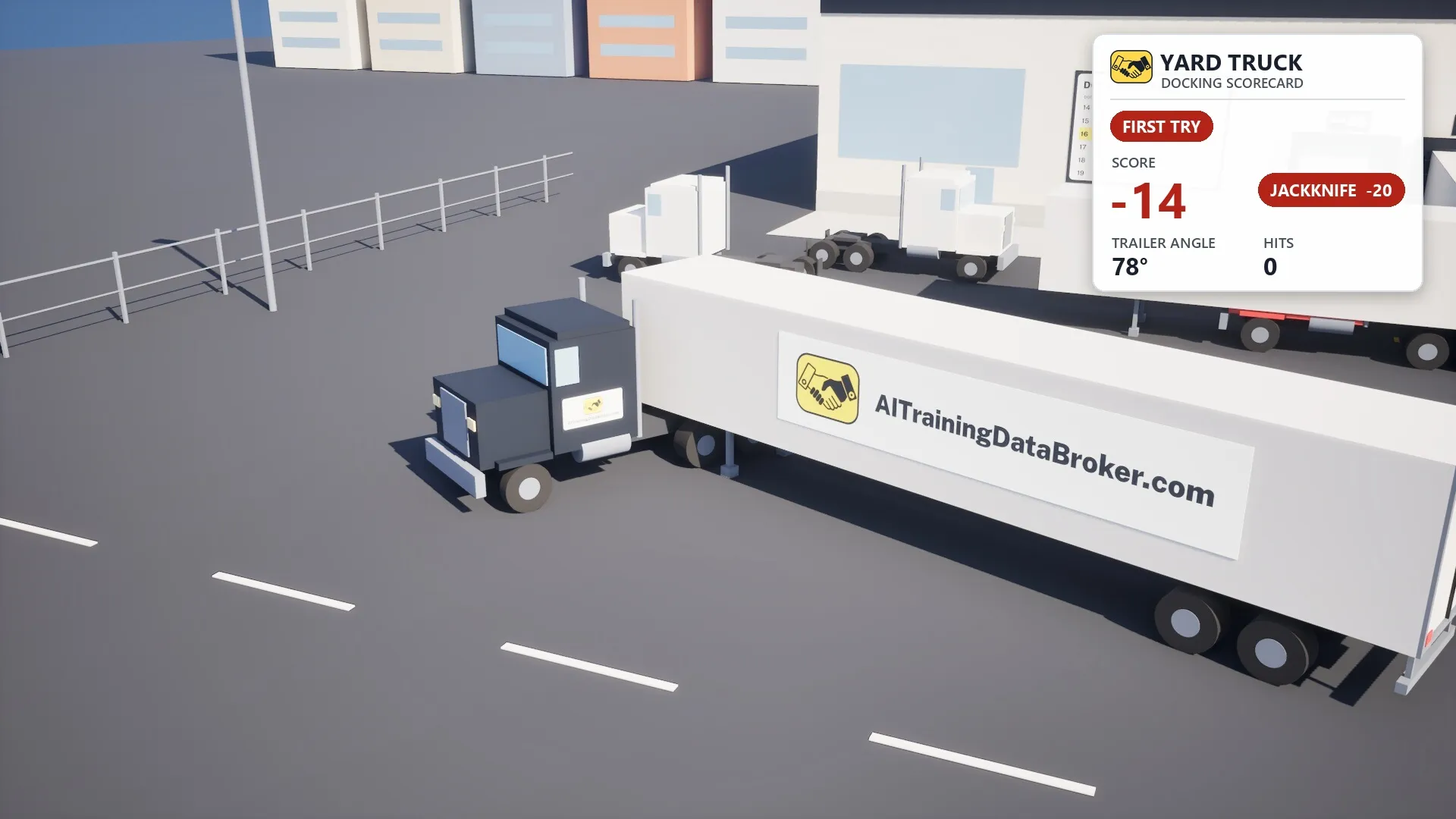
In our example, that is how 30,000 STEP exports were cut.
And what if the AI lab finds a problem during review?
It sends a notice, and the window pauses only for the files it names.
Then you get a short time to fix them, in one license I reviewed, 10 business days.
But the review does not end at payment.
If a hidden problem turns up later, the AI lab can ask for that part of the money back.
In that same license, the refund was due within 10 business days.
So how do you keep the count from shrinking?
Build the manifest from the actual files you will deliver, not from an old list or from memory.
Count them per folder and per file type.
Then open them, all of them if you can, so you know none are corrupt.
A file packaging standard called BagIt, published by the IETF in October 2018, works the same way.
Its manifest lists every file once with a checksum, a kind of fingerprint, so the receiver can check each file.
Not every company can do this in a week, because old files may need old software to open.
Next, take out the duplicates, including exports of the same part in other formats.
Keep each project folder complete, so the AI lab gets every drawing and revision that belongs together.
Then leave out the files you have no right to license, such as work a client owns.
That work cannot be licensed, and it stays private.
Count only the unique files that are left, and that becomes the number you promise.
Before you sign, agree with the AI lab in writing how drawings, exports and versions are counted.
The review will keep finding gaps unless those rules are written down.
Keep the files reachable for the whole review, because a broken link can count as a missing file.
And set the price with some rejections in mind.
Promise a number you are sure of, with a little room under it.
In our example, the firm would count 306,000 unique files and promise 300,000.
What does a good manifest look like next to a weak one?
The weak one says about 340,000 CAD files, and nobody checks that line until the AI lab does.
The strong one lists each folder and file type, and says every file was opened.
It counts the exports once, and it names what was left out.
The first one leaves the review to find the gap.
The second one has already found it for you.
You may be wondering how many files in your own company an AI lab would really count?
It is often fewer than the number in your head, because exports, broken files and client work all come off.
But native files with their history, in complete projects, are the ones AI labs value most.
So what is your real count, and what would an AI lab pay for it?
That is where I come in.
I'm Jimmy. I have worked in data at Fortune 500 companies, as a data analyst, a data engineer and a software engineer, and I am trained in data science. I am also a Canadian military veteran, specialized in data analysis and reporting.
As your broker, I help you create relationships with AI labs and bring back their offers, so you can compare the price and the terms before you decide.
As your technical advisor, I guide your team through what to export, the format, the de-identification and compliance.
I work on commission only, paid by the AI lab.
If you are buying data for an AI lab, I find the right data and see it through to delivery, so you can focus on AI research.
An AI lab pays for the files that pass review, so build your count from the drive itself.
More on preparing your files for an AI lab at AITrainingDataBroker.com.
Thank you for watching.
I will see you next time.
More slides
AITrainingDataBroker.com
What Does
“Indemnify” Mean
When You Sell Data?
Furniture brand
AI lab
Design studio
3 parts: the promise · the cap · the rule
Jimmy Lin
Sold out, then thrown out
The first back-in