Sell Data to AI Companies: What Happens After You Apply?
AITrainingDataBroker.com
Sell Data to AI Companies:
What Happens
After You Apply?
APPLICATION
4 parts: the ways in · the screen · what to send · the offer
Jimmy Lin
Sell Data to AI Companies: What Happens After You Apply?
You fill out a form to sell your company data to an AI company, and you press send.
That form may reach an AI lab, a data platform or a broker, and each one handles it in its own way.
So what really happens after you apply?
The video
Sell Data to AI Companies: What Happens After You Apply?
Full script
You fill out a form to sell your company data to an AI company, and you press send.
That form may reach an AI lab, a data platform or a broker, and each one handles it in its own way.
So what really happens after you apply?
1 automatic email says thank you, and then your inbox goes quiet.
Many owners think that quiet means no, so they give up, or they apply everywhere at once.
Applying everywhere can send the same files to one AI lab twice, and that holds things up.
What changed is how AI labs buy.
They now buy in waves, when a project opens, and many run their own intake with their own forms.
So where did your form go?
That depends on which of the 3 ways in you took, and each one has its own door.
You can apply directly to an AI lab, which buys data to train its own models.
You can list your data on a data platform, a website where AI companies look for data to license.
Or you can work with a broker, a person or company that brings your data to several AI labs.
Each one runs its own intake, and some take a share of the fee or ask for an exclusive broker agreement.
Read that part before you sign anything.
Next comes the screen, the first look at your company.
They want to know who you are, and whether the company is still operating.
They ask how many people sit at desks now, and how many sat there at the peak.
They also ask how many years of history you have, and which systems hold it.
An AI lab will not review a company it cannot name, so have your name and website ready.
This will not fit every company, because a team that was always very small may not pass this first look.
After the screen, many sellers watch a portal, a web page that shows where the application sits.
It often says received or awaiting company, and it does not seem to move.
But the portal can lag behind the emails.
Look in your inbox for a second intake email, a longer form you still have to fill out.
The status stays the same unless you answer it.
Then, once you answer, they ask what you hold, and the answer is a file manifest.
A manifest is a list of your folders, the file types, the counts and the years they cover.
They also ask for a small de-identified sample, which means the names, account numbers and other personal details are stripped out first.
They do not ask for the full data at this stage.
And that list has to be right.
That list is how the AI lab prices your data, so a wrong count costs you.
If a count is off, the negotiation stops while both sides check it again.
After delivery, a wrong count can let the AI lab withhold payment, or delay it by up to 3 months.
So check it twice.
Have a second person count the biggest folders before you send the manifest.
Now think about where else you applied.
If the same files reach the same AI lab through 2 routes, the lab has to stop and work out who holds the rights.
That slows the decision for everyone.
So keep a simple list of where you applied, with the date and what you sent.
Some brokers also ask for an exclusive broker agreement while they shop your data.
That can block other AI labs from seeing it in the meantime, so ask what it covers and how to end it.
Then there is timing, because AI labs book seller calls in batches when a new project opens.
So the calls come in waves, not in a steady line.
The first sellers into an industry tend to get the better price.
Once a lab has trained its models on that kind of data, it needs less of it.
When a call does lead to an offer, the paper is next.
First comes an NDA, a promise from both sides to keep the talks between you, and then the license.
The license is an exclusive AI lab agreement for a term, or a non-exclusive one that lets you license the data to others.
Then look at who carries the de-identification liability, meaning who pays if a person can be traced back.
According to the US Federal Trade Commission, in a March 2012 report, data counts as de-identified when 3 things are true.
The company takes reasonable steps, says in public it will not trace people back, and bans anyone it shares with from trying.
So the liability should sit with whoever does the work, and you can ask your own lawyer how that fits your deal.
You may be wondering, who can walk your company through these steps?
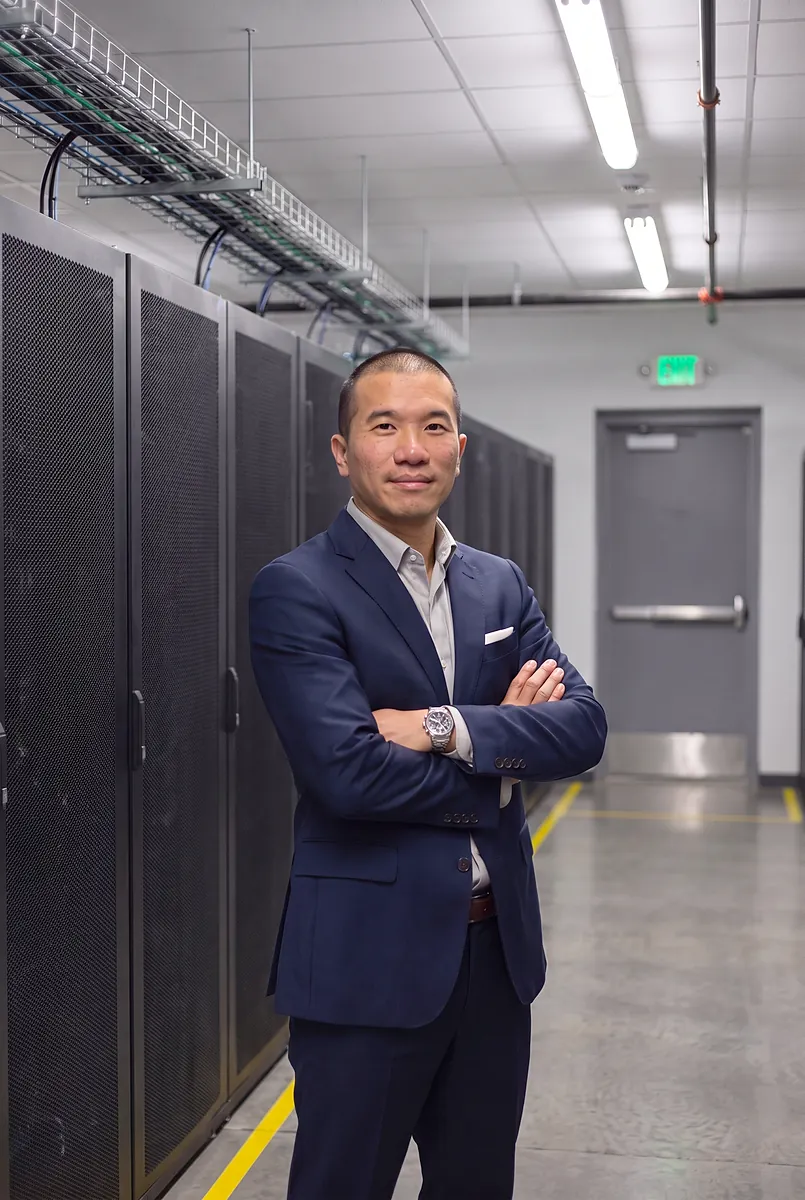
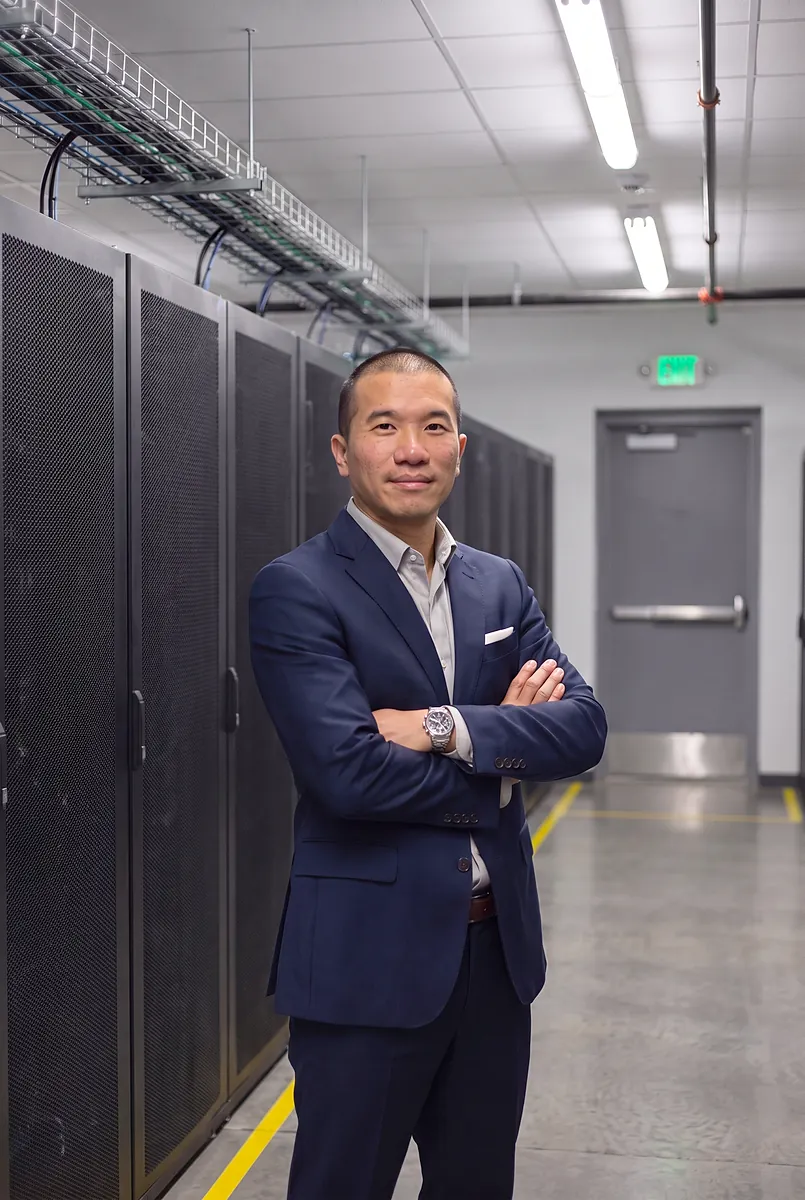
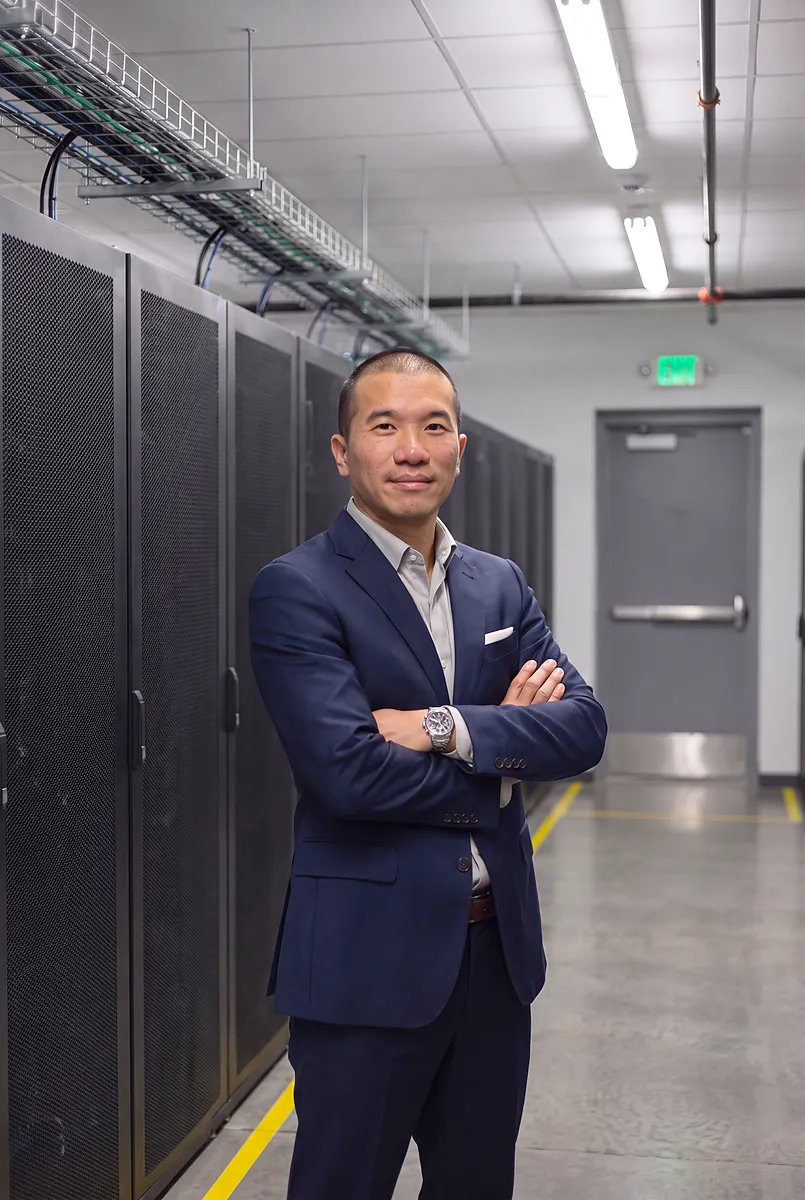
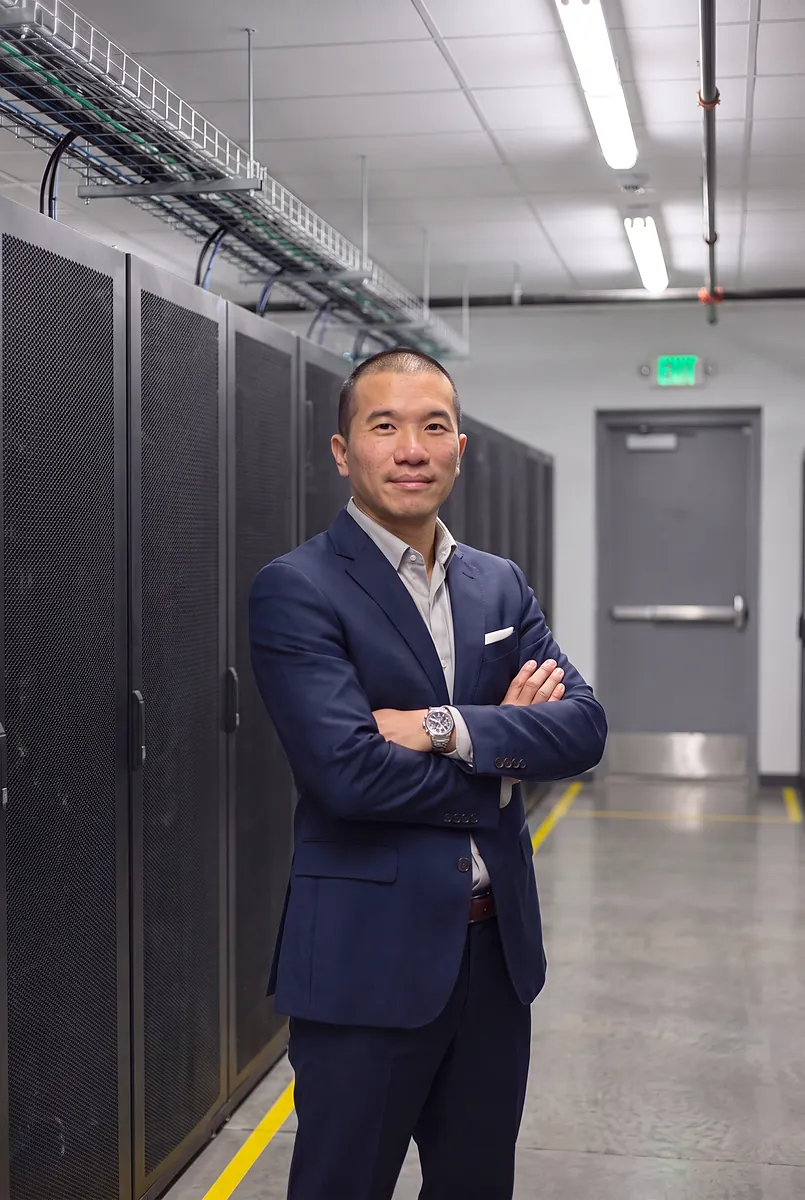
I'm Jimmy. I have worked in data at Fortune 500 companies, as a data analyst, a data engineer and a software engineer, and I am trained in data science. I am also a Canadian military veteran, specialized in data analysis and reporting.
Whether you have applied somewhere or not yet, I come in as your broker and technical advisor.
As your broker, I help you create relationships with AI labs and bring back their offers, so you can compare the price and the terms before you decide.
I work through the terms with you, and you make the final call.
As your technical advisor, I guide your team through what to export, the format, the de-identification and compliance.
We move forward only after your team signs off.
I work on commission only, paid by the AI lab.
Already shopping your data around? Contact us anyway. We can still work through the terms with you and help you negotiate a better price.
If you are buying data for an AI lab, I find the right data and see it through to delivery, so you can focus on AI research.
Here is a checklist for after you apply.
Have your company name and links ready, with your headcount now and at the peak, and your years of history.
Keep a manifest you checked twice, a small de-identified sample, and a list of where you applied.
Answer every intake email, and know who holds the de-identification liability before you sign.
More on how it works at AITrainingDataBroker.com.
Thank you for watching.
I will see you next time.
More slides
AITrainingDataBroker.com
Buy/Sell/License
AI Data Market
Update, Nov 12
Healthcare, finance, professional firms, code and trade video, and the terms to check
Jimmy Lin
AITrainingDataBroker.com
Sell Egocentric
Video
to AI Labs?
What it is, who wants it, and who has to agree before it can be licensed
Jimmy Lin
AITrainingDataBroker.com
Can a Pharma
Company License
Data to AI Labs?
What can be licensed, what stays private, and who has to approve it
Jimmy Lin