What Is UMI Data? How Your Business Gets Paid to Help Train Robots
AITrainingDataBroker.com
What Is UMI Data?
Get Paid
to Help Train Robots
3 parts: what it is, how a visit runs, what you are paid for
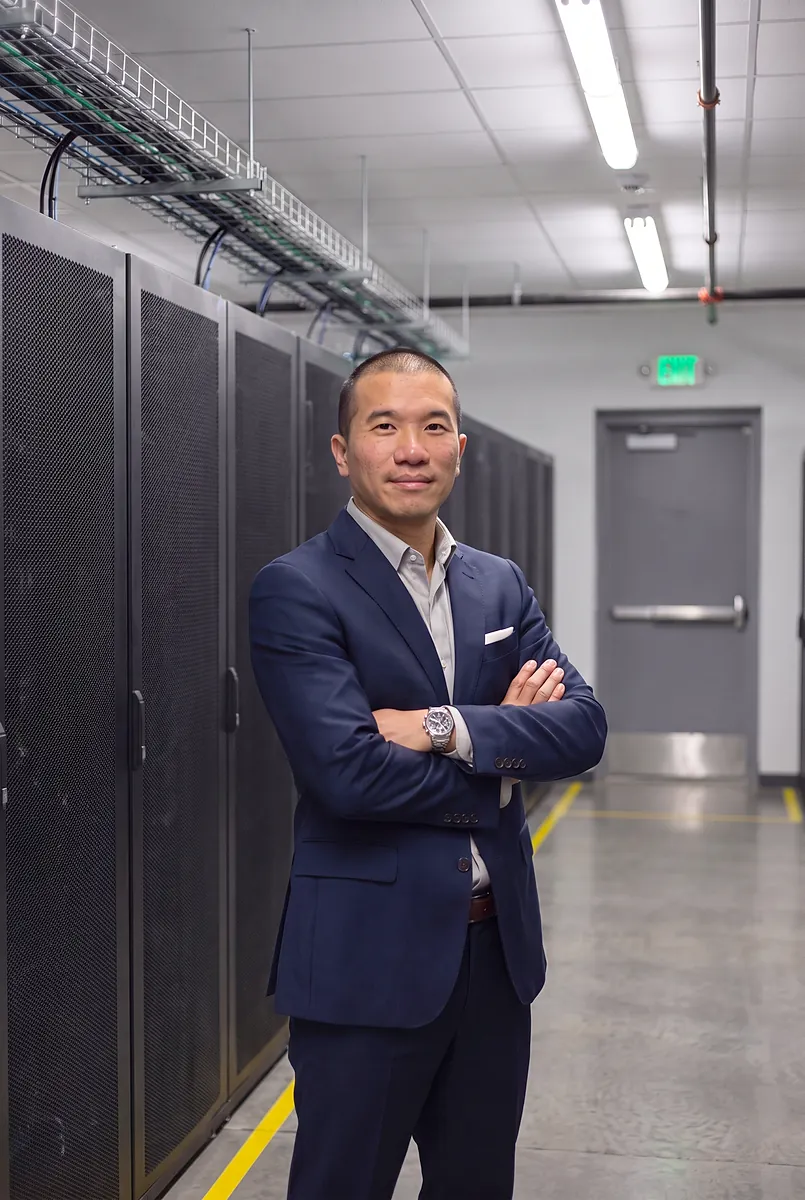
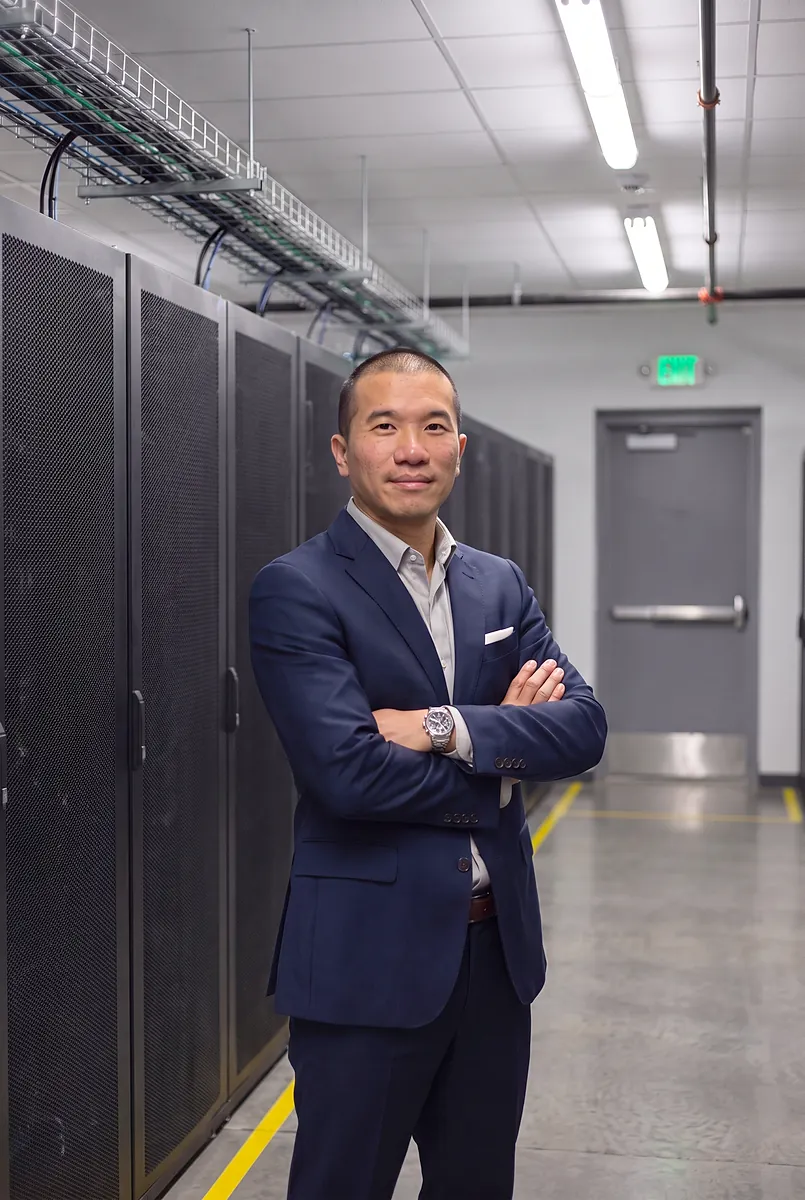
Jimmy Lin
What Is UMI Data? Get Paid to Help Train Robots
Before a restaurant opens for lunch, a cook picks up a coffee cup with a plastic gripper that has a camera on it.
She puts the cup down on a saucer, moves it, and does the same move again and again, with a different cup each time.
A robot that has never been inside that kitchen will learn the move from those recordings, and the restaurant is paid for hosting them.
The scene is made up, but this kind of recording is real, and it has a name: UMI data.
The video
What Is UMI Data? How Your Business Gets Paid to Help Train Robots
Full script
Before a restaurant opens for lunch, a cook picks up a coffee cup with a plastic gripper that has a camera on it.
She puts the cup down on a saucer, moves it, and does the same move again and again, with a different cup each time.
A robot that has never been inside that kitchen will learn the move from those recordings, and the restaurant is paid for hosting them.
The scene is made up, but this kind of recording is real, and it has a name: UMI data.
That name comes from a research paper on arXiv, February 2024, by Chi and colleagues.
The team came from Stanford University, Columbia University and the Toyota Research Institute.
Most people think a robot has to be in the room to learn a new job.
It does not.
The person does the task alone, and the robot comes in later and repeats the move it learned from the recording.
So what does the gripper capture that a phone camera can not?
The answer starts with the name.
UMI stands for Universal Manipulation Interface, a way to record a task with a handheld gripper shaped like the robot's own gripper.
The camera sits at the wrist, so it sees what the robot's camera would see from the same spot.
When the person squeezes the trigger, the fingers open and close the way a robot gripper does.
In the paper, the gripper is 3D-printed, and the camera is an ordinary action camera.
Because the recording is already in the robot's terms, it can teach the robot directly.
So each time the person does the task with the UMI gripper, one recording keeps 4 things together.
First, the wrist camera video, a wide view of the fingers, the object and the space around them.
Second, the path of the gripper in 3D.
Third, the jaw angle, how wide the fingers are open at every moment, which marks each grasp and each release.
Fourth, the readings of the camera's motion sensor, called an IMU, which help rebuild that path.
A label is added for the task and whether it worked, and in the paper, it all fits in one ordinary video file.
That recording is easy to make in many places, and the same paper shows why that matters.
A robot trained on recordings from 30 places did the task in places it had never seen 71.7% of the time.
One trained only on lab recordings scored 0% in those same places.
In that study, 3 people recorded 1,400 demonstrations of arranging a cup, in homes, offices, restaurants and outdoors, in about 12 hours of work.
A new room has different counters, cups, light and clutter, and a robot will not handle it well unless it has seen many rooms.
That is why AI labs ask for the same tasks in many places, from a bakery or a print shop to a plant nursery.
So where are these recordings made?
Almost no company already has UMI data, because the gripper is a research tool, so it is recorded new at sites like yours.
An AI lab or a collection program brings the grippers and a list of tasks.
Your site agrees on the hours, the areas and who takes part, often during quiet hours, and private rooms stay off limits.
The crew repeats each task many times, moving the objects between takes, checks the session and leaves.
This will not fit every business, because a space that is full of customers all day has no quiet time to give.
You may have heard of egocentric video, which comes from a camera on a worker's head or chest.
It shows how a person does the work, so AI labs use it to teach a model how work is done.
UMI data comes from the gripper itself, so it maps straight to the robot's actions and teaches the robot the task.
Many robot teams want both, and my video on egocentric video explains the first one.
Then what exactly is your site paid for?
The program pays for access to your space and for your staff's time.
It pays by the recorded hour or by accepted takes, and the terms are written down before the first visit.
Unlike a data license, the recordings usually belong to the program, and the agreement should say so plainly.
Faces, screens and paperwork are kept out of frame or blurred, so the recordings are de-identified, which means no one in them can be named.
Staff who hold a gripper agree in writing and can stop at any time.
Everything else stays private, within the privacy rules that apply to it.
Now back to the restaurant kitchen from the start, and what its owner agreed before the first session.
Sessions run before opening, and the crew works in the kitchen only, never in the office.
Only staff who agreed in writing hold a gripper, and the pay per recorded hour is written down first.
Before you sign anything like this, have a lawyer read who owns the recordings and what your insurance covers while visitors use your equipment.
That way, the cook's cup move earns money, and the kitchen stays yours.
You may be wondering whether your own place could host a session.
AI labs ask for auto repair bays, hotel linen rooms, nail salons, warehouses and mushroom farms, because each looks different to a camera.
We do not record anything ourselves.
We connect your site with AI labs and collection programs that do, and if your business is paid, we may receive a referral fee.
So which of your rooms could teach a robot, and what would a program pay to record there?
That is where I come in.
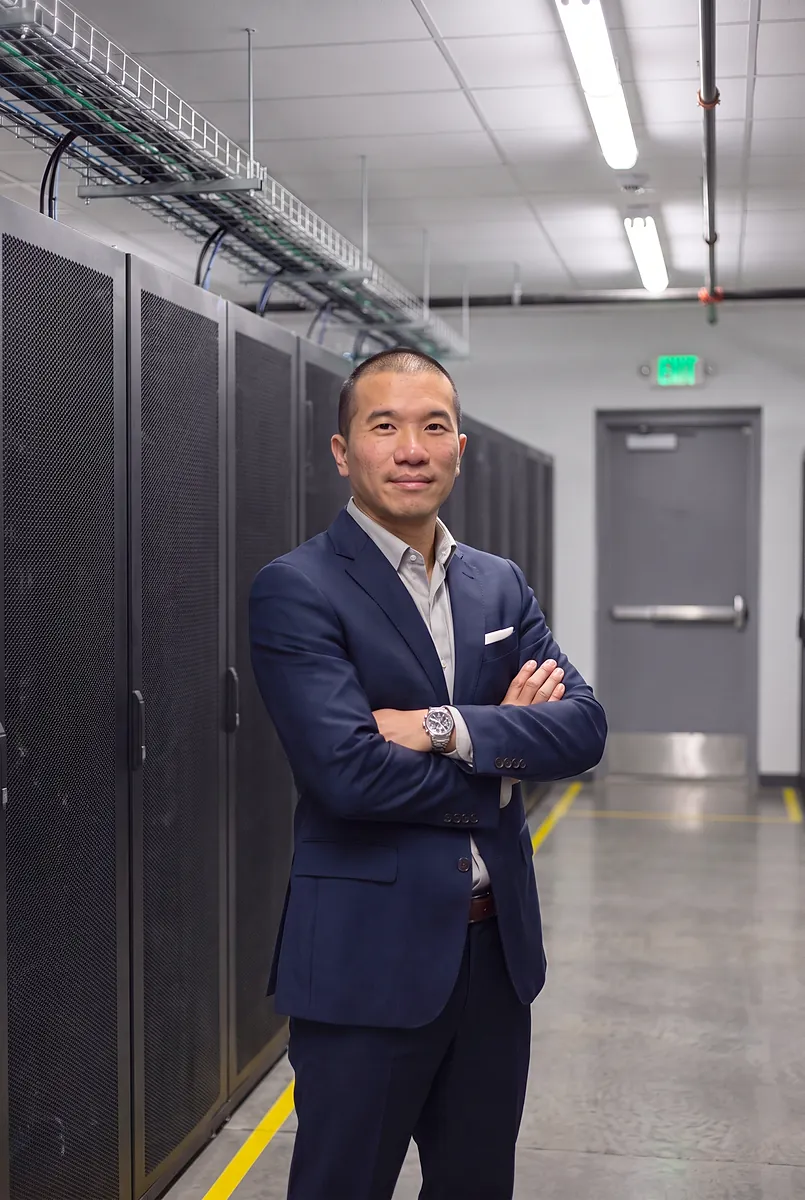
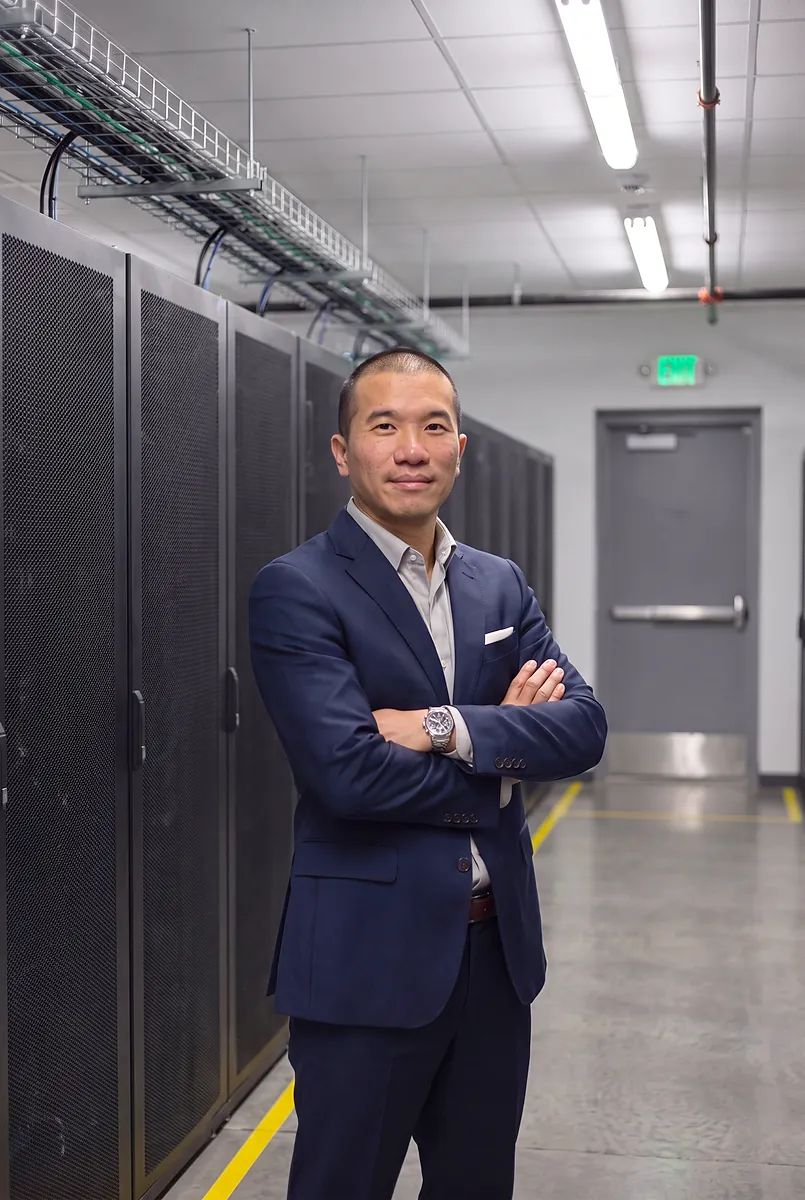
I'm Jimmy. I have worked in data at Fortune 500 companies, as a data analyst, a data engineer and a software engineer, and I am trained in data science. I am also a Canadian military veteran, specialized in data analysis and reporting.
As your broker, I help you create relationships with AI labs and bring back their offers, so you can compare the price and the terms before you decide.
As your technical advisor, I guide your team through what to export, the format, the de-identification and compliance.
I work on commission only, paid by the AI lab.
If you are buying data for an AI lab, I find the right data and see it through to delivery, so you can focus on AI research.
A robot can learn a task from a session at your site, so agree on the pay and the rules before the first recording.
More on UMI data at AITrainingDataBroker.com.
Thank you for watching.
I will see you next time.
More slides
AITrainingDataBroker.com
Hidden Costs of
Selling Your Data
to AI Companies
Lawyers
Tax
Insurance
Files
3 parts: the costs · the math · the asks
Jimmy Lin
AITrainingDataBroker.com
How to get
the most money
for your data
Same kind of data, very different offers. Here is what decides the price.
Jimmy Lin
AITrainingDataBroker.com
Is your company's
data too messy
to sell or license?
Duplicates, half-empty fields, files named final_v3. Here is what AI companies care about.
Jimmy Lin