AI Data Licensing Liability: Seller, Buyer or Broker?
AITrainingDataBroker.com
AI Data Licensing
Liability:
Who Pays?
Who Pays?
Seller, buyer or broker: who answers for what when you license company data to an AI lab
Jimmy Lin
AI Data Licensing Liability: Who Pays?
Picture this: you license your company's data to an AI lab, and a year later someone finds a customer's name inside the training data. Who pays? Most owners think the AI lab that takes the data also takes all the risk, and it does not. The answer is a chain, with a different person answering for each link, and by the end of this video you will know where each link sits. To see it, let us look at what actually happens to your data.
The video
Full script
Picture this: you license your company's data to an AI lab, and a year later someone finds a customer's name inside the training data. Who pays? Most owners think the AI lab that takes the data also takes all the risk, and it does not. The answer is a chain, with a different person answering for each link, and by the end of this video you will know where each link sits. To see it, let us look at what actually happens to your data.
You license your data, an AI lab trains on it, and months later a complaint arrives. The first question is always who pays, and the honest answer is that it depends on the contract, not on a rule of thumb. So I will show you, in plain words, who answers for what and which clauses decide it. This is general information and not legal advice. First, let me tell you who I am.
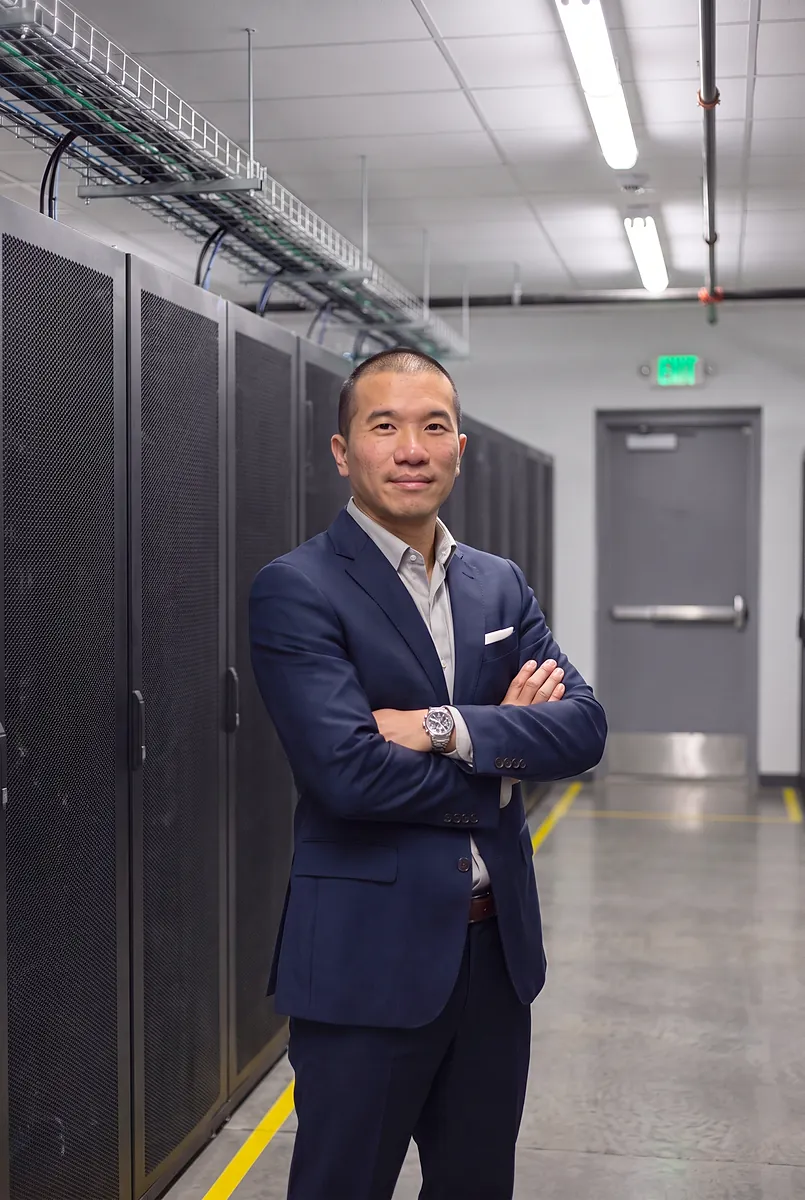
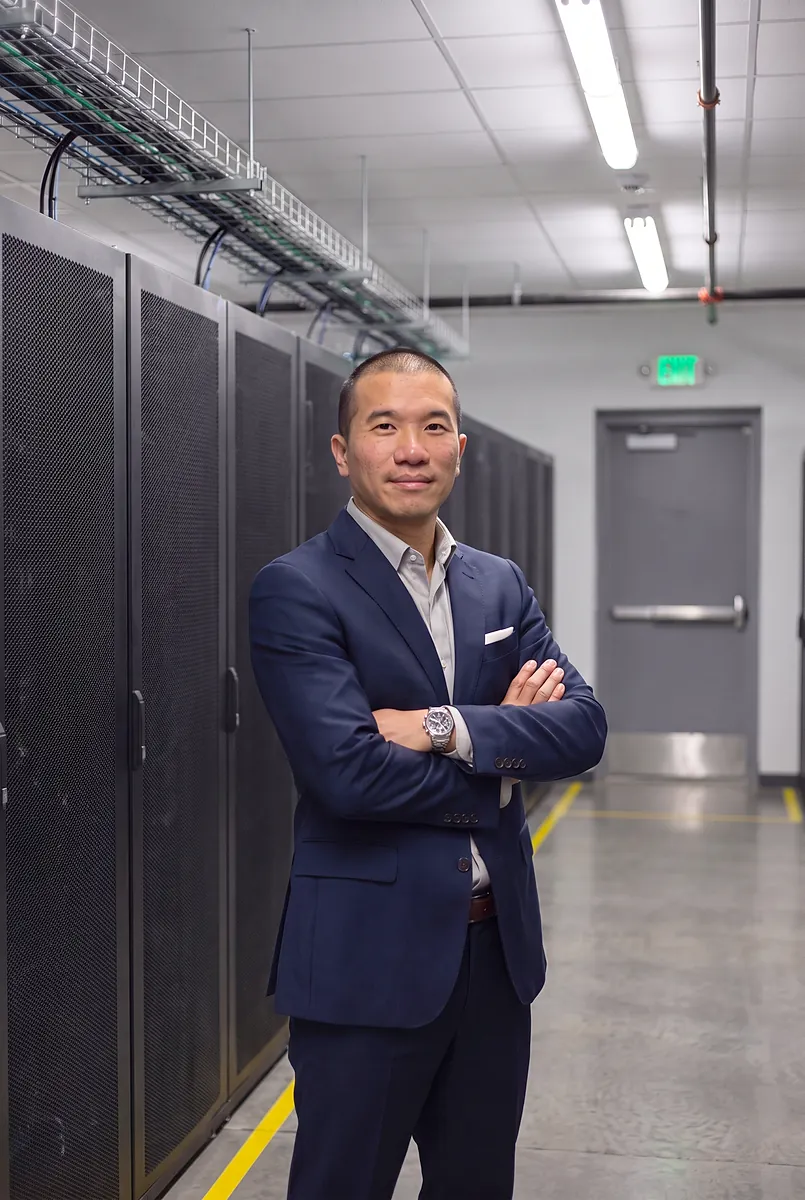
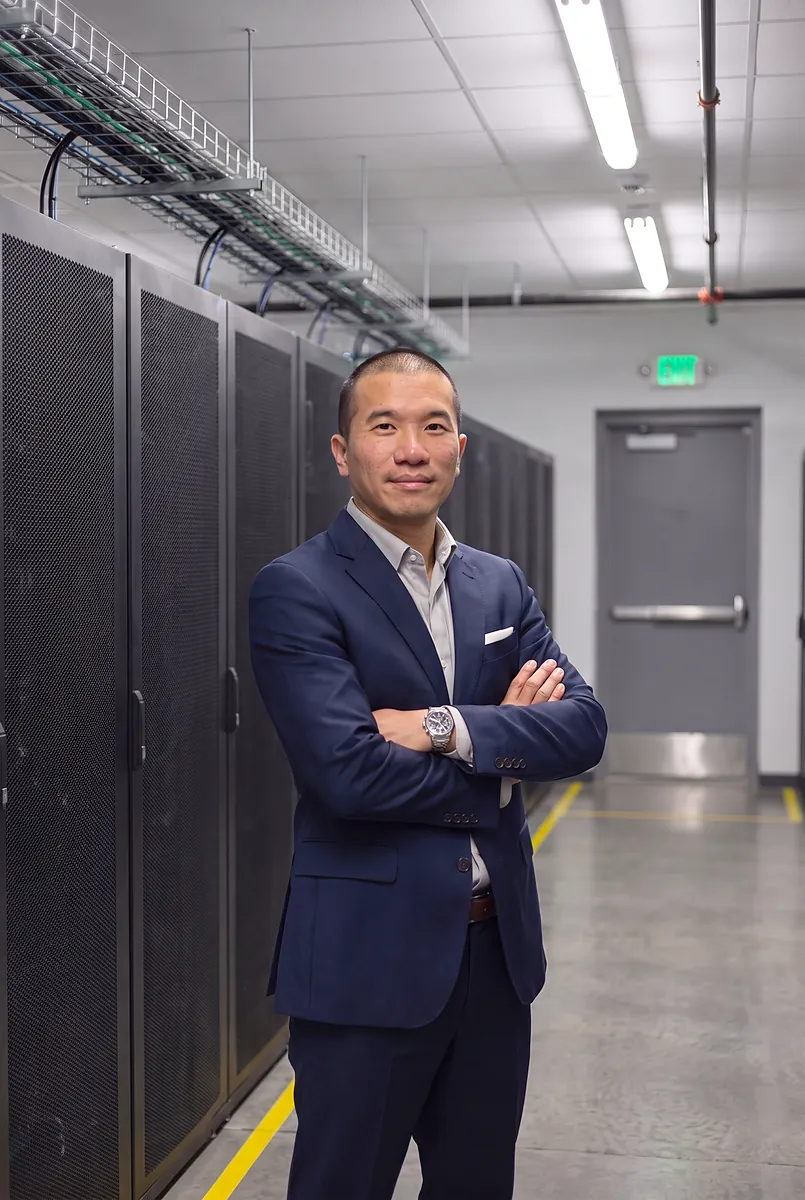
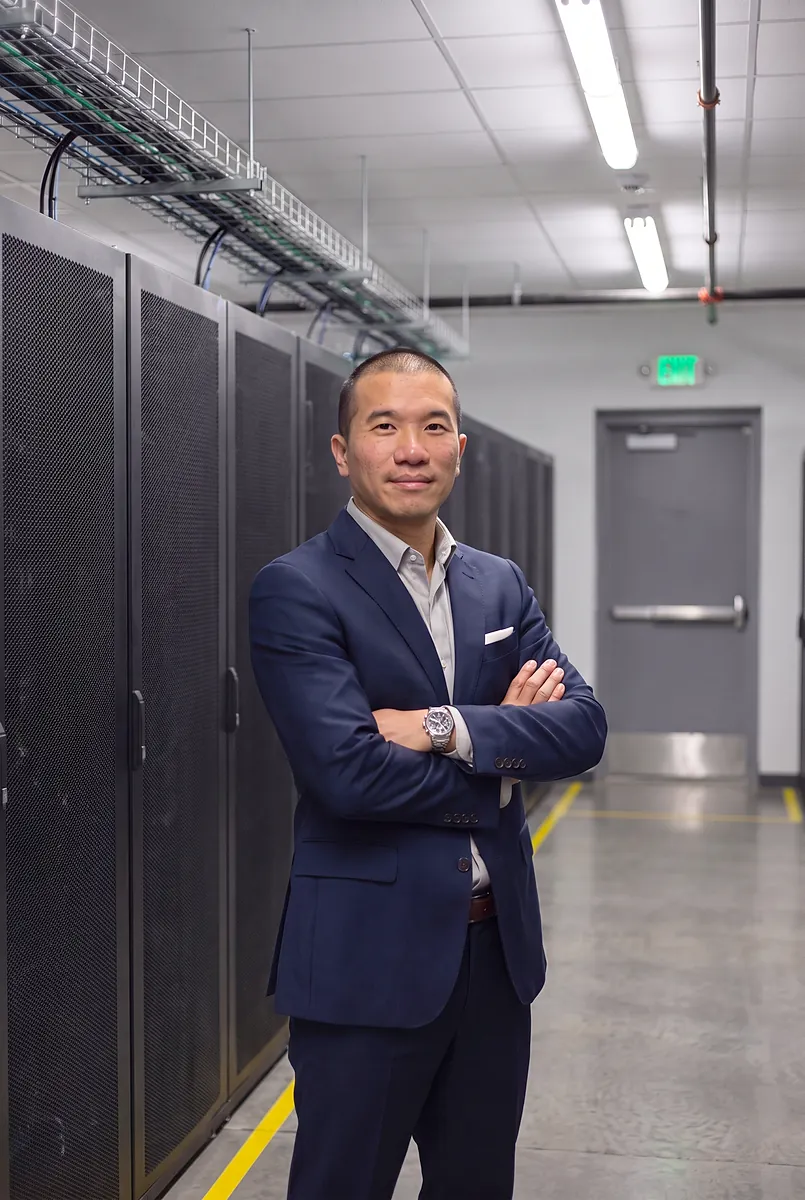
I'm Jimmy. I have worked in data at Fortune 500 companies, as a data analyst, a data engineer and a software engineer, and I am trained in data science. I am also a Canadian military veteran, where I specialized in data analysis and reporting.
Are you selling your data? We are your broker and technical advisor. We get you the best price, and we guide your team through the technical side, including compliance.
Are you buying data for an AI lab? We find the right data for you and see it through to delivery, so you can focus on advancing AI research.
So, let us start with where your data goes. First it sits with you, as the owner. Then someone cleans it, which means they strip out the names, the codes and the other details that point to a person. A broker like me works through the deal with you, and finally the AI lab trains on the cleaned data. Here is the rule that explains most of what follows: liability follows the work. Whoever does a step answers for that step, and nobody else should have to. The first link is you, the seller.
As the seller, your promise is about one thing: that you have the right to license this data. That comes down to 3 checks. First, you own it. Second, your client contracts allow this kind of use, because some agreements let you share de-identified data and others ban it. Third, the people in the data agreed, through your terms or your consent. If one of these is wrong, that risk is yours, and no amount of cleaning can fix it. But what if the cleaning itself goes wrong? Then it depends on who does it.
Say a customer's name slips through the cleaning. Who answers? The one whose hands did that work. If you clean the data yourself, that risk is yours. If the AI lab does the cleaning, it is theirs, and a seller should not agree to carry risk for a step the AI lab runs. And when a specialist does it, the contract has to say who is responsible. Who does the cleaning is agreed case by case, so write it into the contract. But there is one more rule, and it surprises most owners.
Here it is. According to Article 82 of the European Union's privacy law, the GDPR, when more than one company is involved in the same processing and the rules are broken, each one can be held liable for the entire damage. That is so the person who was harmed is paid in full. The company that pays can then claim back the share that belongs to the others. In short, the person who was harmed can ask anyone in the chain, and the contract decides who pays in the end. This applies whenever the data includes people in Europe.
That is why 6 clauses matter more than anything else in the contract. First, your promise about the right to license. Second, who pays if something goes wrong. Third, the limit on what each side pays, which in many data licenses is tied to the fees received. Fourth, who cleans the data. Fifth, how the AI lab may use it. And sixth, what happens after a leak. Health data shows how seriously this is taken. According to the US health privacy rule, HIPAA, a contract with any company that handles that data must spell out what it may do with it, require safeguards and require it to report any misuse.
Knowing the clauses is half of it, because owners still make 3 mistakes, and most think the safest move is to sign quickly and sort it out later. It is not, since all 3 are made on the signature page. The first is taking on the risk for cleaning you do not do. The second is agreeing to pay for any problem with no limit, so one claim could cost more than the whole deal. The third is promising data you can not show is yours, which is why we leave client-held data out of the license. Each one is easy to fix before you sign, and very hard after.
What does this mean for your company? Before you license anything, go through 6 steps. List who owns the data in each system, from your email to your CRM. Read what your client contracts say about data use. Decide who will clean the data, and ask for a limit on what you can be asked to pay. Keep a list of everything you leave out, and have your team sign off on it. Do this, and you will know your own risk before any AI lab asks.
On the contract side, here is where a broker and technical advisor fits.
As your broker, I bring your data to several AI companies and AI labs, get competing offers, and work through the terms with you, including the clauses we just covered, and you make the final call.
As your technical advisor, I guide your team through the technical side: what to export, the format, how your data is cleaned, and compliance.
Contracts and insurance are between you and the AI lab and depend on the deal, so we move forward only after your team signs off.
And the AI companies pay my fee, so you do not pay anything for the broker work.
Whether you clean the data yourself or an AI lab does, the contract decides who answers for what, and knowing that before you sign keeps your risk small.
If you run a company with 30 or more people, the data you already have could become a new revenue stream.
Want to find out?
You can check if yours qualifies, for free, at AITrainingDataBroker.com.
If you have further questions, leave them in the comments, and I will answer them in the next video.
Thank you for watching.
I will see you next time.
More slides
AITrainingDataBroker.com
Can a University or
Research Lab
Sell Data to AI?
Sell Data to AI?
Who owns it, who can license it, and the checks that come first
Jimmy Lin
AITrainingDataBroker.com
AI Labs Want
Your CAD Files
Right Now (Oct 27)
Right Now (Oct 27)
An open request for CAD files, what it asks for, and what to do today
Jimmy Lin
AITrainingDataBroker.com
What Is Recursive
Self-Improvement?
Your Data Matters
Your Data Matters
AI that improves itself, 3 real examples with sources, and what it means for your data
Jimmy Lin