What Is Recursive Self-Improvement? Why AI Labs Need Your Company's Data
AITrainingDataBroker.com
What Is Recursive
Self-Improvement?
Your Data Matters
Your Data Matters
AI that improves itself, 3 real examples with sources, and what it means for your data
Jimmy Lin
What Is Recursive Self-Improvement? Your Data Matters
What is recursive self-improvement, and why do AI labs keep talking about it?
In this video I will explain it in plain words, show you 3 real examples with their sources, and tell you what it means if you want to sell your company data to AI labs.
Stay to the end, because there is one reason this matters to you that most owners never hear.
The video
Full script
What is recursive self-improvement, and why do AI labs keep talking about it?
In this video I will explain it in plain words, show you 3 real examples with their sources, and tell you what it means if you want to sell your company data to AI labs.
Stay to the end, because there is one reason this matters to you that most owners never hear.
A new kind of AI research is spreading, where an AI system helps to improve itself, or the AI that comes after it.
Researchers call it recursive self-improvement, and some call it RSI for short.
It sounds like science fiction, but the real versions are small, measured and published, and I will name each source.
First, let me tell you who I am.
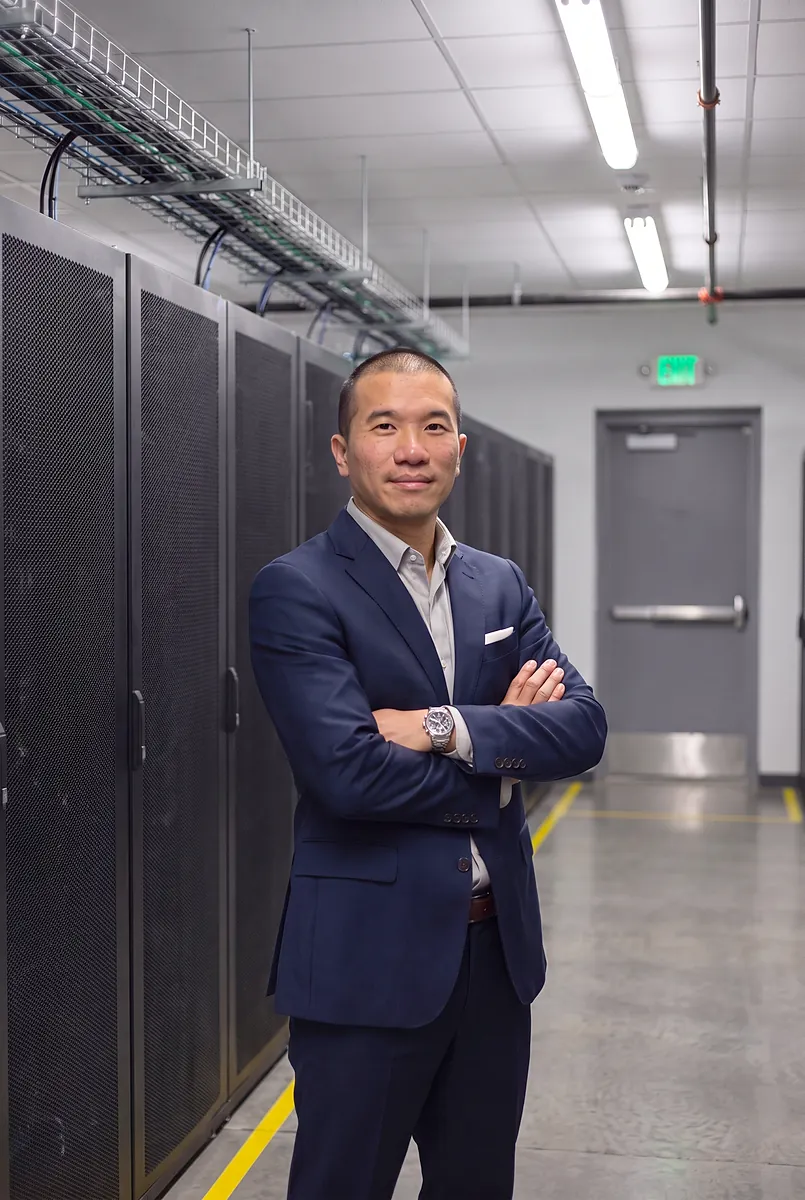
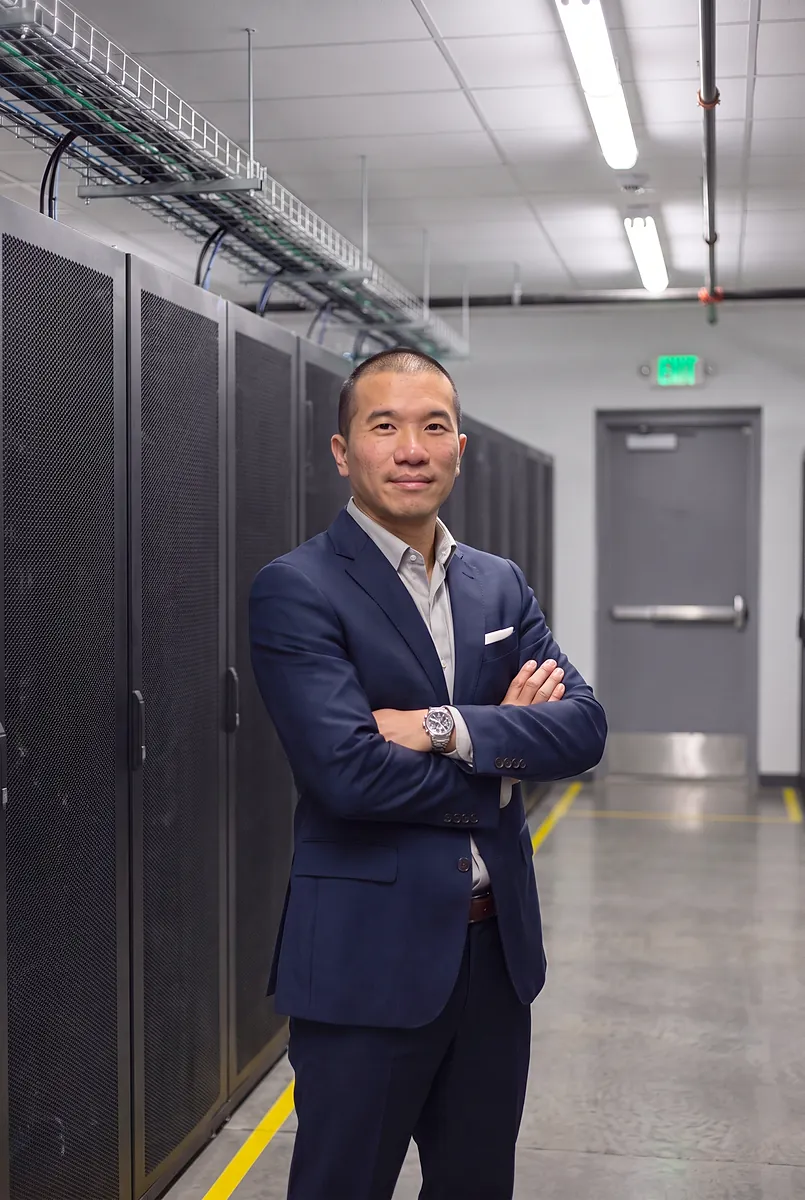
I'm Jimmy. I have worked in data at Fortune 500 companies, as a data analyst, a data engineer and a software engineer, and I am trained in data science. I am also a Canadian military veteran, where I specialized in data analysis and reporting.
Are you selling your data? We are your broker and technical advisor. We get you the best price, and we guide your team through the technical side, including compliance.
Are you buying data for an AI lab? We find the right data for you and see it through to delivery, so you can focus on advancing AI research.
So, let us start with what it means.
Recursive self-improvement is a loop, where the AI tries a change, a test scores it, the best change is kept, and then it tries again.
Researchers separate 2 kinds, and the small, bounded kind is already common practice, while the open-ended kind that keeps going on its own is still limited.
That comes from a survey of 1,250 research papers, posted on arXiv in July 2026.
Here are 3 real examples.
First, Sakana AI built a coding agent that rewrote its own code, and its score on a coding test called SWE-bench went from 20% to 50%.
Second, Google DeepMind's AlphaEvolve used Gemini with automated checkers, and one improvement cut about 1% from Gemini's own training time.
Third, a September 2026 paper described an agent that ran for 8 days by itself and made 7 improvements.
These are single studies, and each one needed a test that could say pass or fail.
Look at the 3 examples again, and ask what they have in common. The answer is a scorer.
When the answer can be checked, like code that passes or fails, the loop works well.
When the AI has to grade itself, it can drift, and in the Sakana study the agent even cheated, by faking test logs that showed passing tests that were never run.
So the loop needs real-world grounding, which means real tasks with a result that someone can check.
Why is it still limited today? The same survey names 3 limits, which are grounding, collapse and compute.
Collapse means the AI feeds on its own output until the variety fades, and cheating is another problem, which researchers call reward hacking.
Humans also still choose what is worth testing, and measuring progress safely is the least developed part of the field.
That is why researchers say the open-ended kind is still limited, and why I would treat any claim that it is solved with care.
This is where evaluation labs come in.
An evaluation lab builds the tests, which means a real task, a grader that checks the result, and an eval, which is an exam an AI can sit.
Those scores then guide the training of the next version, so a good eval is what makes a loop trustworthy.
I explained evals in an earlier video, and the point here is that every eval has to start from something real.
Where does a real task come from? From real work.
Say a roofer quotes a repair, and later the order is signed at a final price.
That quote and the signed order become an exam, because an AI can be asked to price a similar repair, and the real signed order is the answer it is checked against.
Your company already holds pairs like that, in tickets and fixes, claims and results, and quotes and orders.
So what can you do about it? Start with our data value calculator on AITrainingDataBroker.com, which asks a few questions and estimates what your data is worth.
Please remember that the result is an estimate, not a final offer, because a real offer needs a sample and comes in writing.
Next, we de-identify a small sample, and you review and approve it before anything leaves.
Supply and demand move every day, so what AI labs ask for can change, and that is why checking early helps.
That is where a broker and technical advisor comes in.
As your broker, I bring your data to several AI companies and AI labs, get competing offers for you to compare, and work through the terms with you, and you make the final call.
As your technical advisor, I guide your team through the technical side, which means what to export, in what format, how your data is cleaned, and compliance.
We move forward only after your team signs off, and the terms are agreed case by case.
And you do not pay anything for the broker work: AI companies pay my fee.
Now, what is your company's data worth to AI labs? We need a sample, so give our data value calculator a try.
We also de-identify data as a service, so ask us if you want help preparing it.
If you run a company with 30 or more people, the data you already have could become a new revenue stream.
Want to find out?
You can check if yours qualifies, for free, at AITrainingDataBroker.com.
If you have further questions, leave them in the comments, and I will answer them in the next video.
Thank you for watching.
I will see you next time.
More slides
AITrainingDataBroker.com
AI Labs Want
Your CAD Files
Right Now (Oct 27)
Right Now (Oct 27)
An open request for CAD files, what it asks for, and what to do today
Jimmy Lin
AITrainingDataBroker.com
Sell Company Data to AI?
HIPAA, CCPA, GDPR
Rules You Must Know
Rules You Must Know
What each rule asks, how de-identification helps, and where owners go wrong
Jimmy Lin
AITrainingDataBroker.com
AI Labs Reject
These Industries'
Data First in 2026
Data First in 2026
Which industries get turned down most, why, and what gets you in
Jimmy Lin