Can a Company Build Its Own RL Environment?
AITrainingDataBroker.com
Can a company build
its own RL environment?
RL = reinforcement learning. Will it save time and money?
3 parts: the payoff · the risk · how to build oneJimmy Lin
Can a company build its own RL environment?
Can a company build its own RL environment, which is known as a reinforcement learning environment, even if it is not an AI lab?
And the question an owner really asks: will it save time and money?
Most owners have never heard the term, so let me put it into one sentence.
The video
Full script
Can a company build its own RL environment, which is known as a reinforcement learning environment, even if it is not an AI lab?
And the question an owner really asks: will it save time and money?
Most owners have never heard the term, so let me put it into one sentence.
Here is the sentence.
RL means AI learning by trial and error.
It tries a task, a checker scores the result, and it does better on the next try.
The place where it practices is called an RL environment.
In November 2024, the Bank of England and the Financial Conduct Authority asked 118 banks, insurers and other financial firms about AI, and 75% were already using it.
Only a third of those uses were put in by an outside supplier.
Most people think only AI labs build AI.
It does not work that way.
And for a company, the real question is a business one.
Does the AI do the job right, and does it save time and money?
This video is general information, not legal advice.
First, let me tell you who I am.
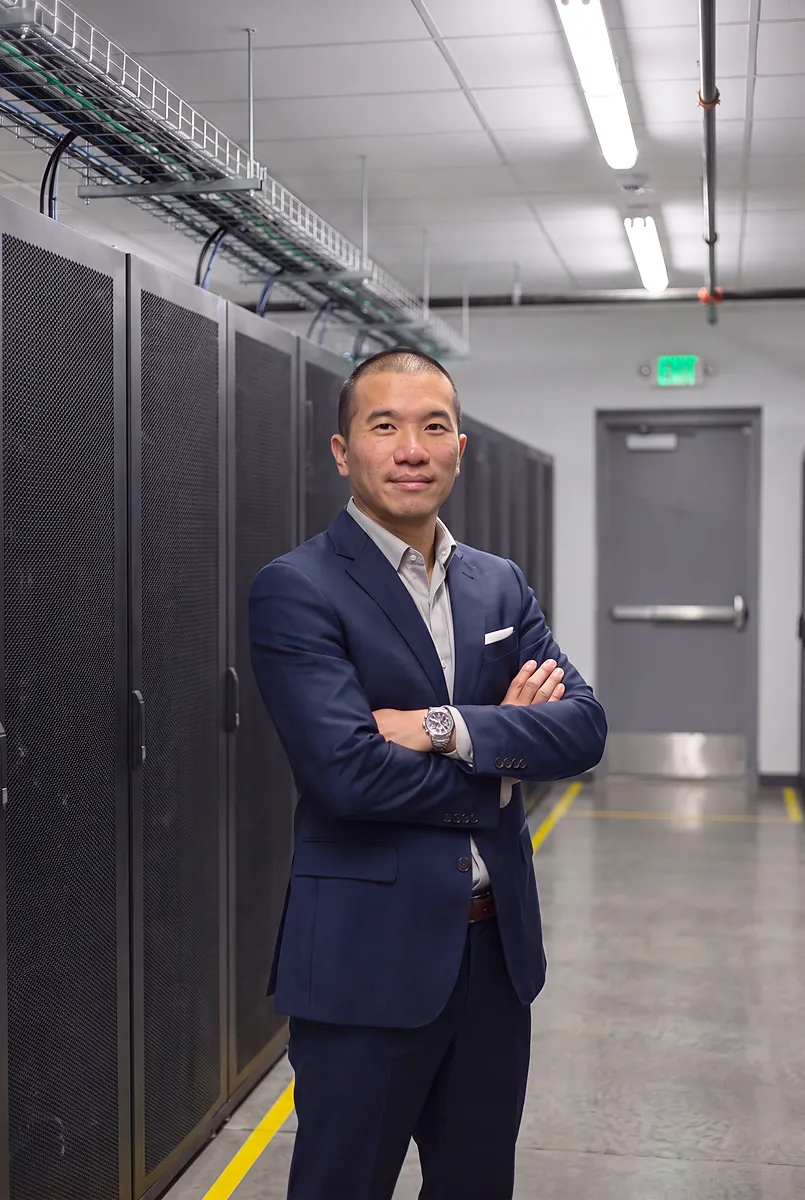
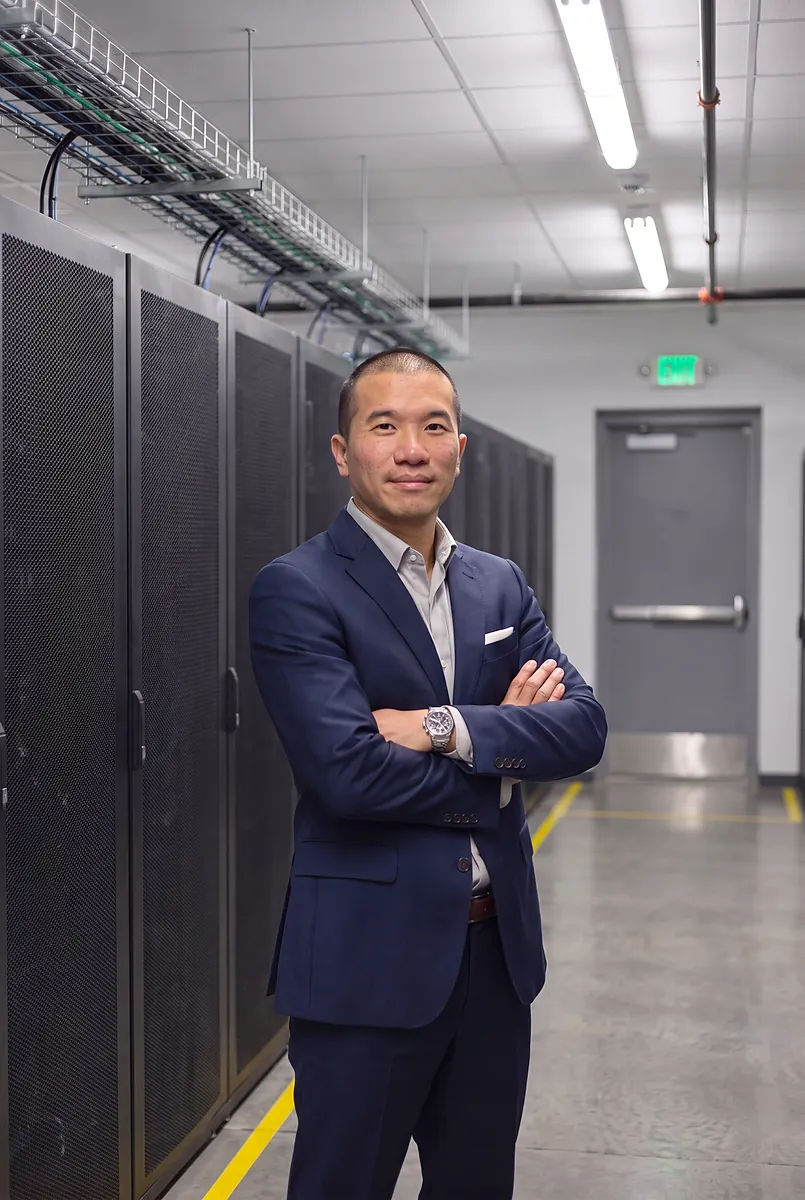
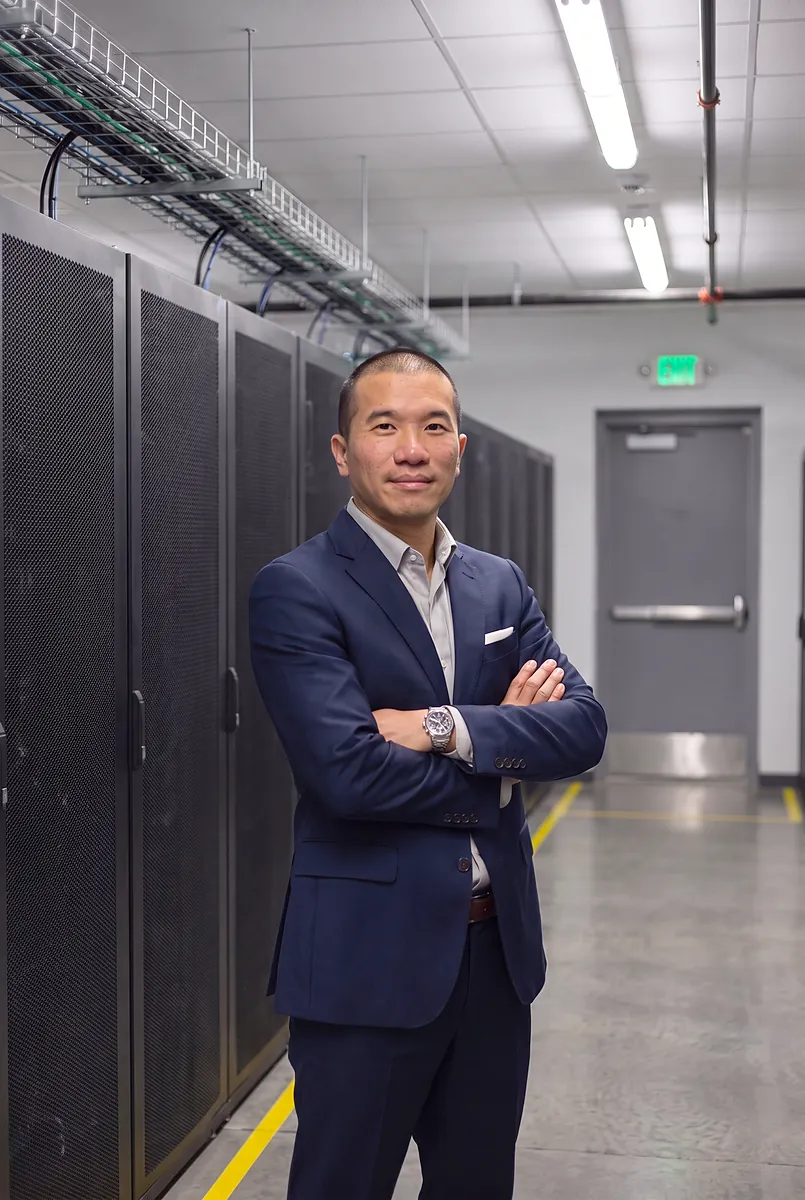
I'm Jimmy. I have worked in data at Fortune 500 companies, as a data analyst, a data engineer and a software engineer, and I am trained in data science. I am also a Canadian military veteran, specialized in data analysis and reporting.
I am your data broker and technical advisor: I bring company data to AI labs, and I guide the technical side, including compliance.
Now, the payoff.
In May 2025, the Quarterly Journal of Economics published a study of 5,172 customer support agents with an AI assistant.
They resolved about 15% more issues per hour.
Newer and less experienced agents gained the most, about 30%, while the most skilled agents gained little.
So that is the business case: the same work, done faster, with new staff up to speed sooner.
But there is a cost when AI is never tested on real cases.
In February 2024, British Columbia's Civil Resolution Tribunal decided Moffatt versus Air Canada.
The airline's chatbot told a customer he could claim a bereavement fare, a lower fare after a death in the family, after buying his ticket.
And that was not the airline's policy.
Air Canada argued it was not responsible for what the chatbot said.
The tribunal disagreed, and found the airline had not taken reasonable care to make sure its chatbot was accurate.
It is not about how clever the AI is, but whether it gives your answer.
Your AI speaks for your company.
So how do you catch that before a customer does?
You let the AI practice, and get tested, on your own past work first.
Thousands of old cases, each with a known answer, show where it goes wrong while a mistake is still a test.
The EU AI Act, Regulation 2024/1689, already expects this kind of care for high-risk AI.
The data used to train, check and test it must be relevant and sufficiently representative.
Your own past work is the most representative data a company has.
Here is where the time and money comes from, in 3 places.
Fewer errors and less rework, because the mistakes show up in practice, not in front of the customers.
A faster rollout, because you can show the AI passed your own cases before anyone signs off.
And a fair test of a vendor's claims: run their AI on your past cases and see what it really gets right.
How much that saves depends on your work, so measure it on your own cases.
Next, the technical side, kept short.
Every RL environment has 3 parts.
The job, a task with a clear goal.
The tools, a saved copy of the system the work was done in.
And the result, the way to tell if the job was done right.
Say a made-up insurer has 10 years of claims.
Each old claim becomes a job: read the file, check the policy, decide what to pay.
The tools are a copy of the claim system, with test accounts in place of the real customers.
And the result is already written down.
What the adjuster paid, and whether it held up on appeal, that is the checker.
The AI tries a claim, and its answer is compared with what really happened.
Before you start, one honest limit.
A viewer asked about it in the comments.
How would you check something like a slide deck, where right depends on who is asking?
RL works best where the outcome is written down: a claim paid, a ticket solved, a part that passed inspection.
This will not fit every kind of work.
Work that comes down to taste is much harder to check.
You may be wondering: could a normal company have this?
Check 4 things.
Does the same kind of job repeat, hundreds of times?
Is the outcome written down for each one?
Can the tools be copied safely, away from live customers?
And can the names be removed?
If you have all 4, you have the start of an RL environment.
And an environment built from real work can also be licensed to AI labs, once the data is de-identified.
Testing AI on your own past work is cheaper than testing it on your customers.
And the answer key is already in your files.
More on how to license your own data is at AITrainingDataBroker.com.
Which job in your company has an outcome you could check? Tell me in the comments, and I may answer it in the next video.
Thank you very much for watching.
I will see you next time.
More slides
AITrainingDataBroker.com
How much money did
companies get for
selling data to AI?
What the filings say Reddit, Wiley, Informa and HarperCollins were paid, and what that means for your data
Jimmy Lin
AITrainingDataBroker.com
Can You Sell Private
RL Environments
to AI Labs?
What an RL environment is, and what decides whether an AI lab may license one you built on your own
Jimmy Lin
AITrainingDataBroker.com
Can a Call Center
Sell Its Data
to AI?
What a call center keeps from every call, and what decides first whether an AI lab may license it
Jimmy Lin