Why AI Labs Reject Company Data: What an MLP in RL Needs
Sold out, then thrown out
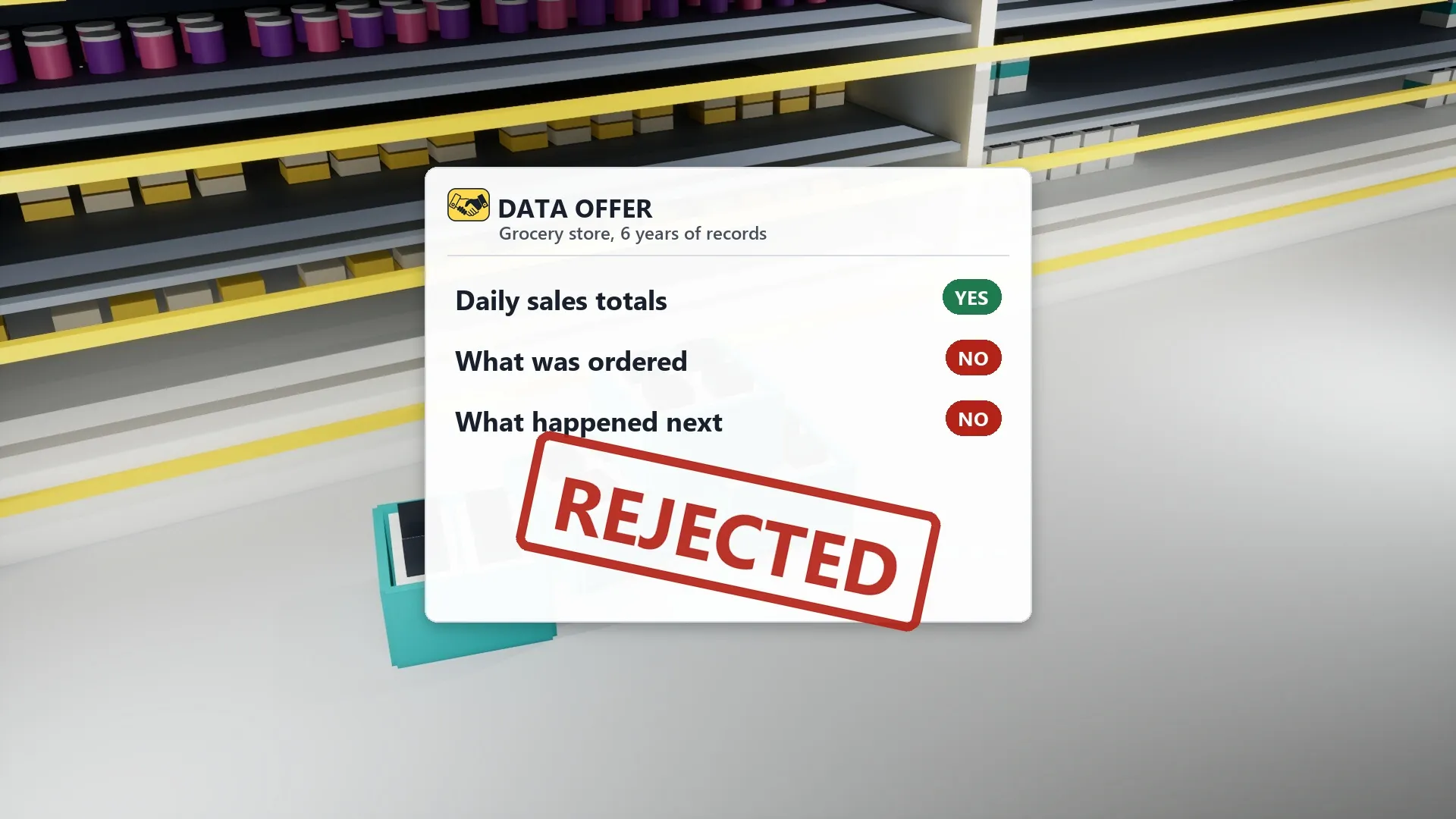
Sold out, then thrown out
This grocery store has 6 years of data on every day it ran.
When it offered that data to AI labs, the answer was no.
In my work, I see a lot of data offers turned down.
Most of them fail for reasons the owner could have fixed, if they had known what AI labs were looking for.
The video
The video for these slides is on its way. It will play here as soon as it is on our channel.
Subscribe on YouTubeFull script
This grocery store has 6 years of data on every day it ran.
When it offered that data to AI labs, the answer was no.
In my work, I see a lot of data offers turned down.
Most of them fail for reasons the owner could have fixed, if they had known what AI labs were looking for.
Why do AI labs reject company data, and what does an MLP in RL have to do with it?
Do not worry about the letters yet. I will explain both in plain words in a minute.
Once you see what this kind of AI learns from, you will know what makes a data offer a yes.
First, let me tell you who I am.
I'm Jimmy. I have worked in data at Fortune 500 companies, as a data analyst, a data engineer and a software engineer, and I am trained in data science. I am also a Canadian military veteran, specialized in data analysis and reporting.
If you want to sell your data, I am your broker and technical advisor. I bring your data to several AI companies, and I guide your team through the technical side, including compliance. AI companies pay my fee.
Already shopping your data around? Contact us anyway. We can still work through the terms with you and help you negotiate a better price.
If you are buying data for an AI lab, I find the right data and see it through to delivery, so you can focus on AI research.
Most of the offers I see get turned down for one of 4 reasons.
Some companies are too small, or their data only goes back 1 or 2 years.
Some cannot show they have the right to license the data. A law firm's October 2026 checklist for AI labs puts it simply: possession does not mean permission.
Some still have personal data in the files.
And the fourth one most owners never see: the data shows what happened, but not what was decided, or the result.
That fourth one is the easiest to fix once you understand it.
Most owners think AI labs simply want as much data as possible.
More and more, what they want is decisions, and that is why the fourth reason matters.
AI labs first trained AI to write, using emails, documents and chats.
Now they also train AI to make decisions: what to order, which truck to send, what price to quote.
To learn a decision, the AI has to see the decision, and what happened next.
Before we go further, 2 terms in plain words.
RL is short for the long name on the screen, and it simply means learning by trying.
When a try turns out well, the AI earns points, and when it turns out badly, it loses points. Over time, it learns what works.
Think of a new employee who gets feedback after every shift.
MLP stands for multi-layer perceptron. It is a small math machine that makes the choice.
You give it numbers, and it gives you back a decision. RL is how that machine gets trained.
Here is an MLP at work in a grocery store, deciding how much milk to order.
The numbers going in are the milk left, the day, and the weather. The choice coming back is the order.
Inside are a few layers of simple math. Each layer weighs the numbers a little differently, which is where the name multi-layer comes from.
And here is RL, the learning by trying.
When it orders too little, the milk sells out, and it loses points.
When it orders too much, the milk goes in the trash, and it loses points too.
When the order is about right, it earns points, and over many days the points teach it what works.
Now the part that matters for your data.
To learn from real life, the AI needs past days written down like this: the situation, the decision, and the result.
Most companies keep the first part, and many keep the second.
Very few keep the third: how each decision turned out.
That missing result column is the reason I see behind so many rejections.
Does learning from past decisions really work?
A study in the journal Management Science, February 2023, by Meng Qi and colleagues, put a model with an MLP inside to work.
It learned reorder decisions straight from a large retailer's past data.
In a 30-day field test on 9,308 products, out-of-stock costs fell by 51.7%, and total inventory costs by 40.4%.
It is one study, in one kind of business, and it will not fit every company.
But it shows why AI labs want decisions with their results: that kind of data works.
So when you make an offer, which one are you sending?
Offer A is daily sales totals: it shows what sold, and nothing else.
Offer B is the reorder log: what was left, what was ordered, and how each day turned out.
Same store, same years, but only offer B can teach an AI how to decide.
That is the kind AI labs look for, and it puts you in a much stronger spot when you negotiate.
You may be asking: how do I raise my chances of a yes?
There are 4 steps, one for each reason we started with.
First, find your decisions: quotes, dispatch, orders, support tickets, schedules.
Second, show the results next to them: won or lost, late or on time, fixed or not.
The more decisions your data shows, each with its result, the better your chances.
Third, count the years and the people who made those calls.
And fourth, confirm you have the right to license it, and take out the personal data.
This will not turn every offer into a yes, because size and rights still count, but it removes the reason most owners never see.
And if your data passes those checks, how do you turn it into an offer?
A deal usually runs the same way. A small, de-identified sample goes to several AI labs, each one makes an offer, and you compare them and make the final call.
That is the part I do with you. As your broker, I bring back the offers and work through the terms with you.
As your technical advisor, I guide your team through the export, the format, the de-identification and compliance.
We move forward only after your team signs off, and the AI lab usually pays my fee, after the deal closes.
So why do most offers get turned down?
Often the data only shows what happened: totals and files, but no decisions.
The offers that get a yes show the decisions, and how each one turned out.
Know that before you talk to AI labs, and you can lead with it.
Every decision your team writes down, with how it turned out, is data an AI can learn from.
More on how licensing works is at AITrainingDataBroker.com.
Which decision in your business would you want an AI to learn first? Tell me in the comments.
Thank you for watching, and I will see you next time.
More slides
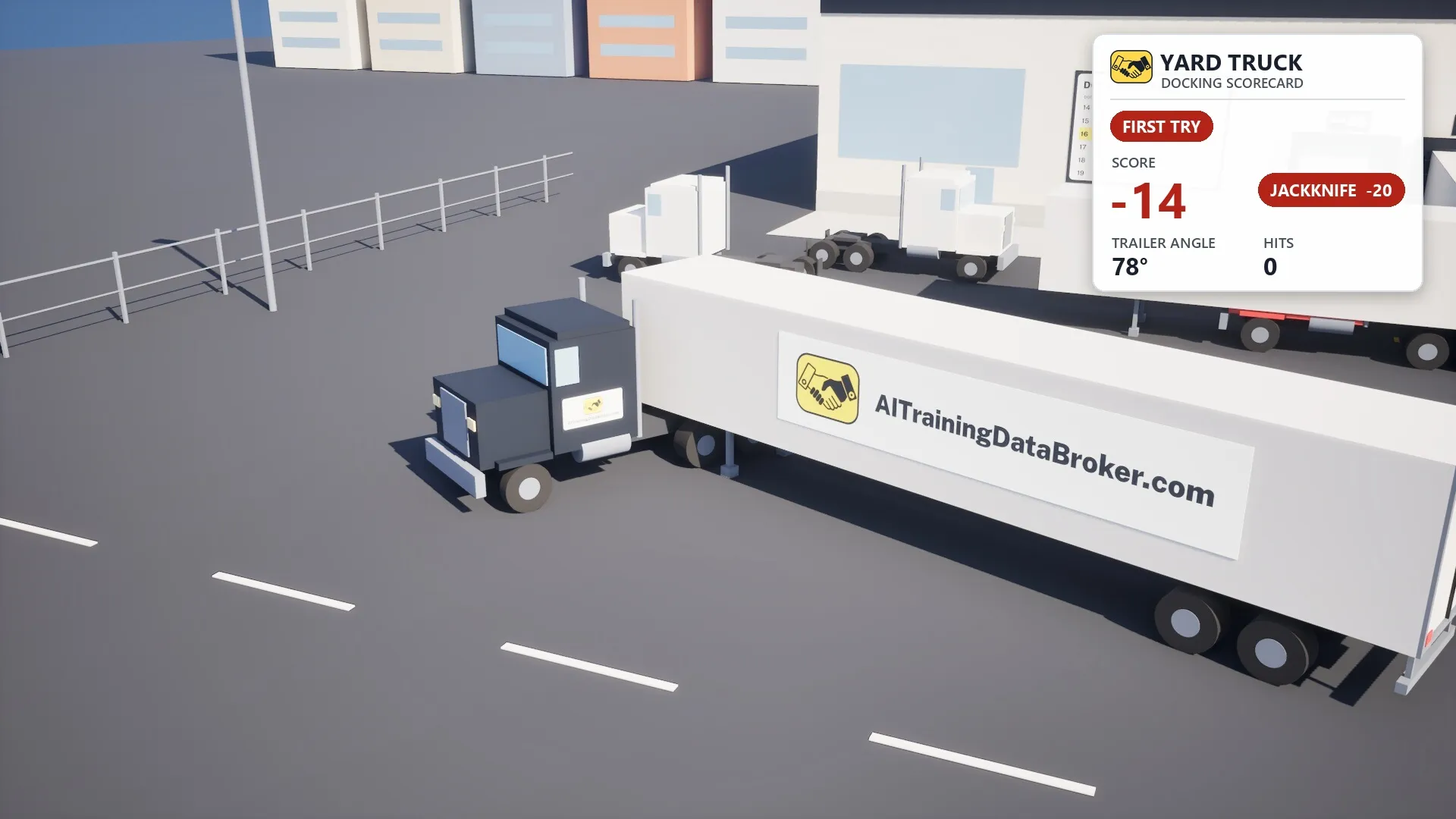
The first back-in
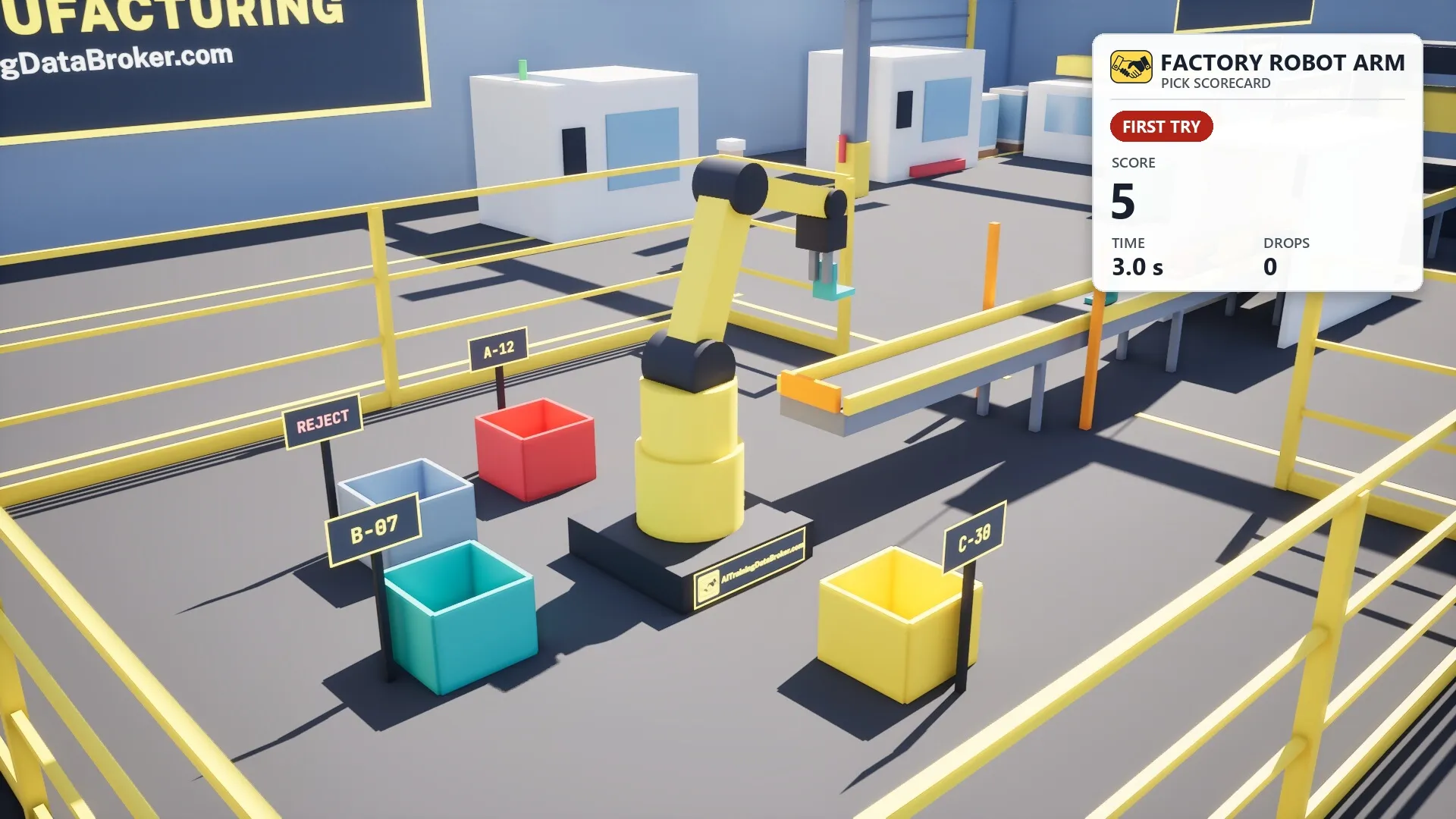
The first pick
The first lift