Sell Data to AI Companies: How to Audit Your Data First
AITrainingDataBroker.com
Sell Data to AI Companies:
How to Audit
Your Data First
What do you have?
A lot, I think
6 steps before you offer your data
Systems, counts, gaps, ownership, personal details, who has seen it
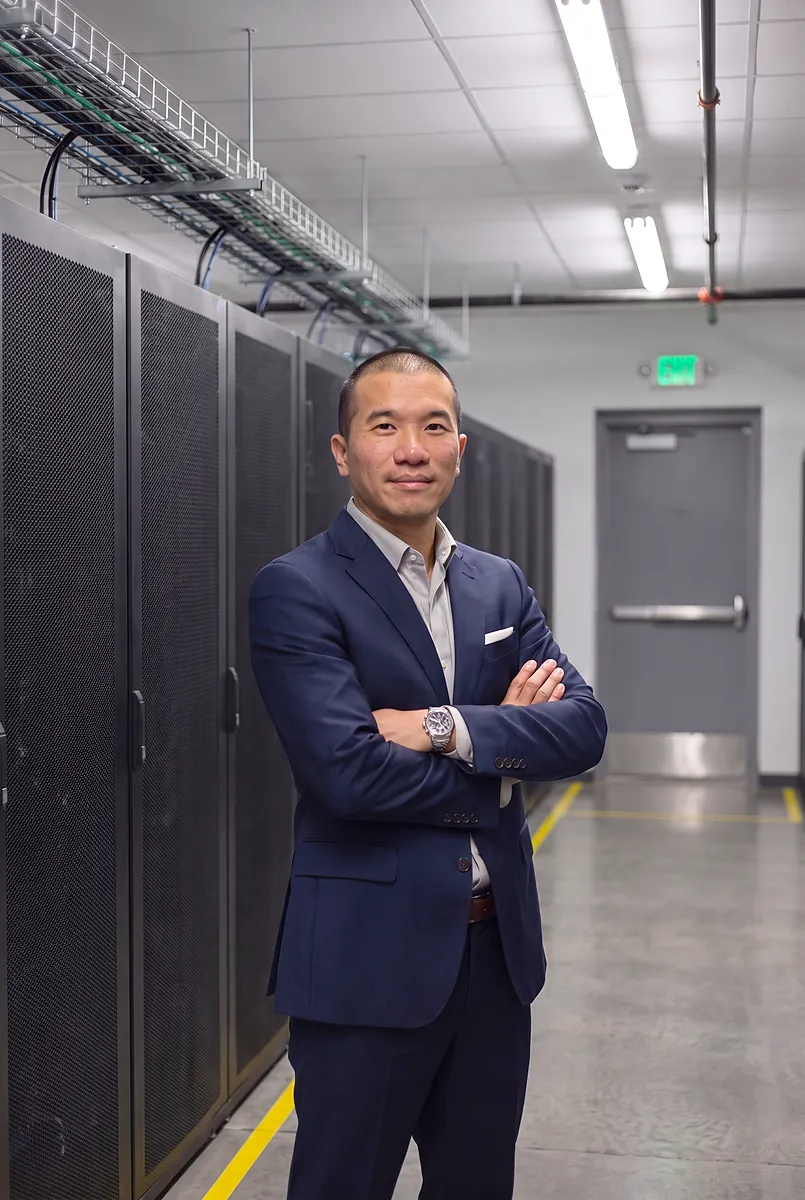
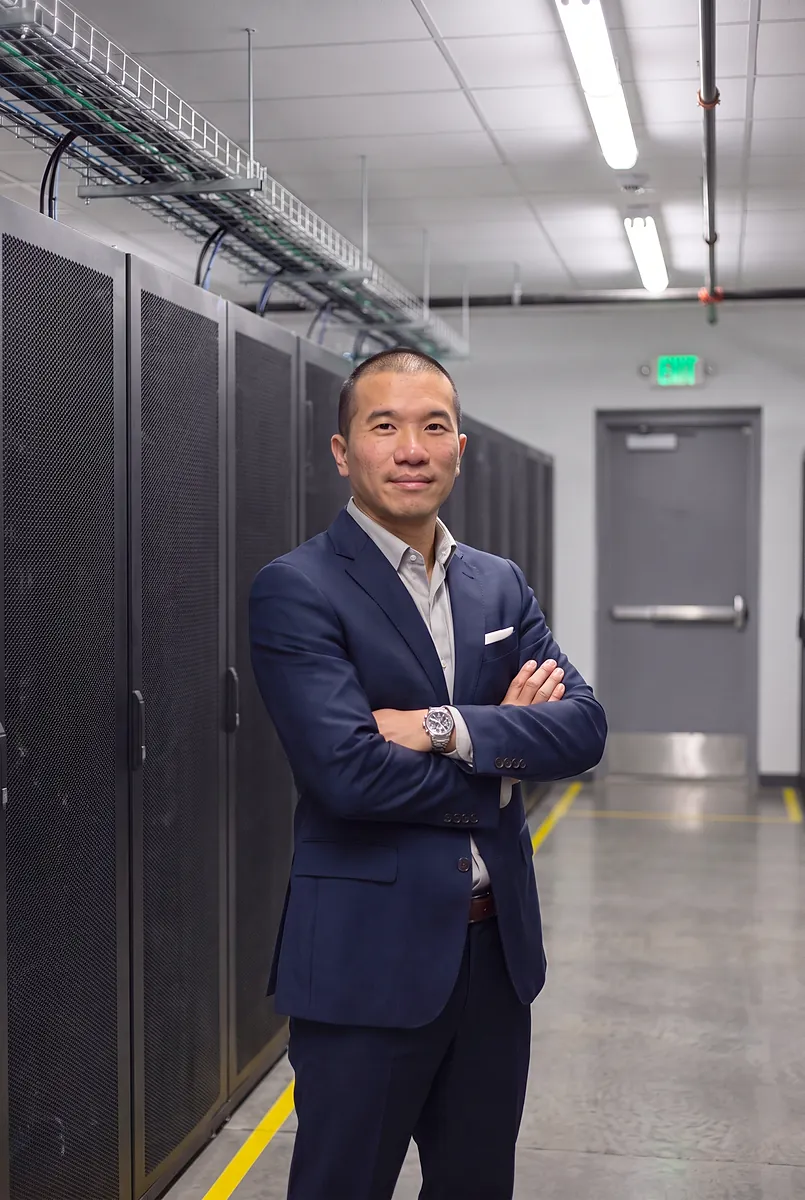
Jimmy Lin
Sell Data to AI Companies: How to Audit Your Data First
An AI company answers your email with a short question: what do you have?
You know there are years of data, but not what it is, where it sits, or how much there is.
So how do you audit your data first, before you sell data to AI companies?
The video
Sell Data to AI Companies: How to Audit Your Data First
Full script
An AI company answers your email with a short question: what do you have?
You know there are years of data, but not what it is, where it sits, or how much there is.
So how do you audit your data first, before you sell data to AI companies?
The good news: 1 afternoon of checking can turn "I think we have a lot" into a clear list an AI lab can price.
Without that list, the first call with an AI lab tends to go in circles.
Nobody can price a guess.
With it, you can answer in a short email, and the talk moves on to the terms.
This is general information, not legal advice.
The audit has 6 steps, and the first one only needs a pen and paper.
The first step is to list your systems, which means every place where your team writes things down while it works.
Most owners think of email and the shared drive first, but the list is usually longer.
It also takes in team chat, the help desk, the CRM, where sales calls and deals are logged, accounting and your job software.
Ask each team lead as well, because the system nobody mentions is often the most useful one.
A list of names is a good start, but an AI lab will soon ask how much sits inside each one.
Next, count what sits in each system, with 3 numbers for each one.
First the years, from the oldest item to today, then the number of items, such as emails, tickets or jobs, and then the rough size.
Your IT person, or the admin page of each tool, can usually show all 3 in a few minutes.
For example, a home services company might find 9 years of email, 48,000 help desk tickets and 11 years of jobs.
Rough numbers are fine at this point, as long as they are real.
A count shows how much you have, but not which years are missing, so step 3 is to find the gaps.
Put each system on one timeline, from the oldest year to today, and the holes show up quickly.
Team chat may only go back a year or so if it has an auto-delete setting.
In email, the mailboxes of people who left may be missing.
And an old system that was switched off may still hold years of work in a backup or an export file.
Mark each gap, because a gap you name early is much easier to explain than one an AI lab finds later.
With the timeline done, step 4 is to check ownership, which means asking whose data each system really holds.
Your team's email, tickets and job notes are usually your own, unless a contract says otherwise, so your company can decide to license them.
Files that clients gave you are different, and some client contracts say who owns the work you did for them.
Not every company gets past this step: if most of the files belong to clients, there may be little of your own to license.
Then agree on who signs for the company, such as the owner or a director, so a deal never waits on that question.
Step 5 is to spot the personal details, such as the names, phone numbers and account numbers inside your data.
There is a US government guide on this, NIST Special Publication 800-122, from April 2010.
It says a company should find all the personal information it holds, because it cannot protect what it does not know about.
So open a few tickets and emails from each system, and note where names, phones and account numbers show up.
Those are the parts that get de-identified, which means we strip them out before an AI lab sees a sample.
Last, write down who has already seen your data, and what each of them got.
That includes data websites or platforms you signed up for, any broker you talked to, and any AI lab that got a sample.
Add anything you signed, such as an NDA or a platform's terms, because some of those can limit what you offer next.
An AI lab will ask about this early, and a clear answer shows that your data is still yours to license.
Here is a checklist for your audit, the 6 steps on one page.
List your systems, count the years, items and size in each, and mark the gaps on one timeline.
Then check who owns each part and who signs, spot the personal details, and note who has already seen your data.
Once that page is done, most owners ask the same thing next.
Who can turn my audit into offers?
That is where I come in, so here is a little about me.
I'm Jimmy. I have worked in data at Fortune 500 companies, as a data analyst, a data engineer and a software engineer, and I am trained in data science. I am also a Canadian military veteran, specialized in data analysis and reporting.
In a data deal, I come in as your broker and technical advisor.
As your broker, I help you create relationships with AI labs and bring back their offers, so you can weigh the price and the terms before you decide.
I work through the terms with you, and you make the final call.
As your technical advisor, I guide your team through what to export, the format, the de-identification and compliance.
We move forward only after your team signs off.
I work on commission only, paid by the AI lab.
Already shopping your data around? Contact us anyway. We can still work through the terms with you and help you negotiate a better price.
If you are buying data for an AI lab, I find the right data and see it through to delivery, so you can focus on AI research.
So before the first email to an AI company, know what you have, where the gaps are, and what is yours to license.
More on getting your data ready at AITrainingDataBroker.com.
Thank you for watching.
I will see you next time.
More slides
AITrainingDataBroker.com
Buy/Sell/License
AI Data Market
Update, Nov 12
Healthcare, finance, professional firms, code and trade video, and the terms to check
Jimmy Lin
AITrainingDataBroker.com
Can a Call Center
Sell Its Data
to AI?
What a call center keeps from every call, and what decides first whether an AI lab may license it
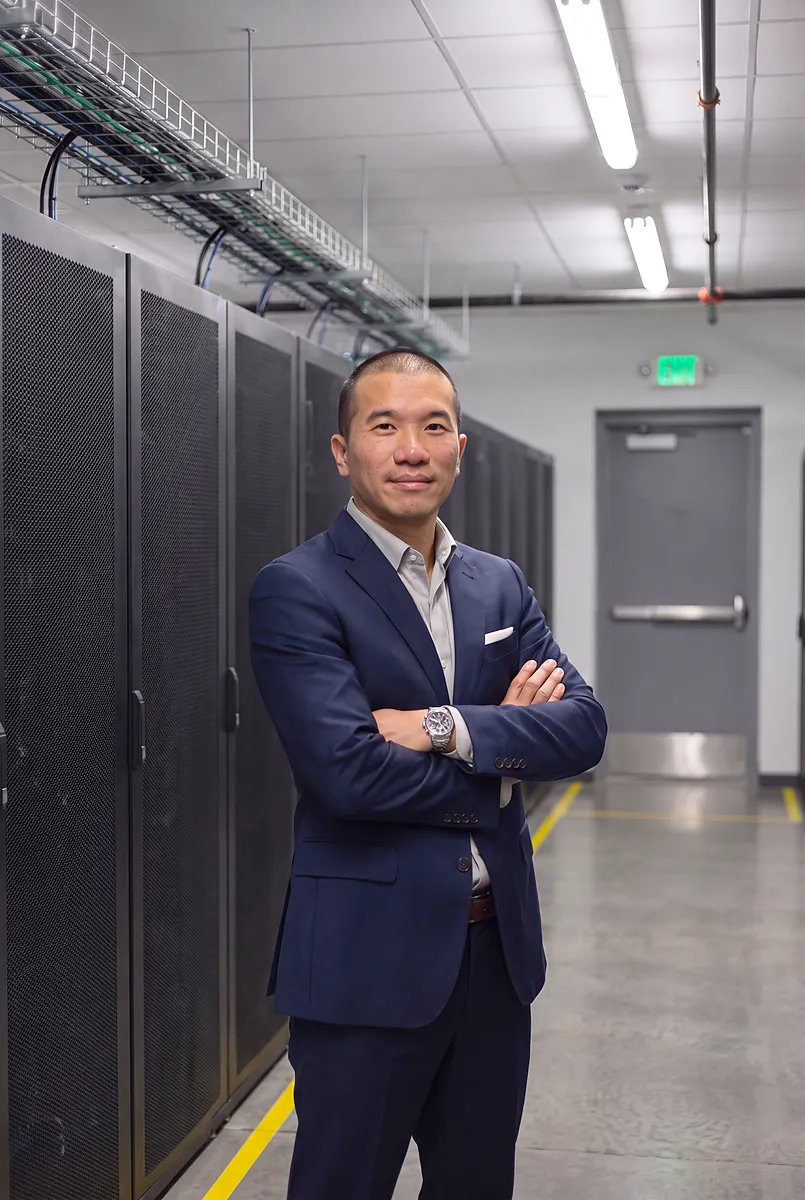
Jimmy Lin
AITrainingDataBroker.com
Automotive and
Aerospace CAD: Can
You Sell or License
It to AI?
What a car or aircraft maker keeps in its design files, and what decides whether an AI lab may license it
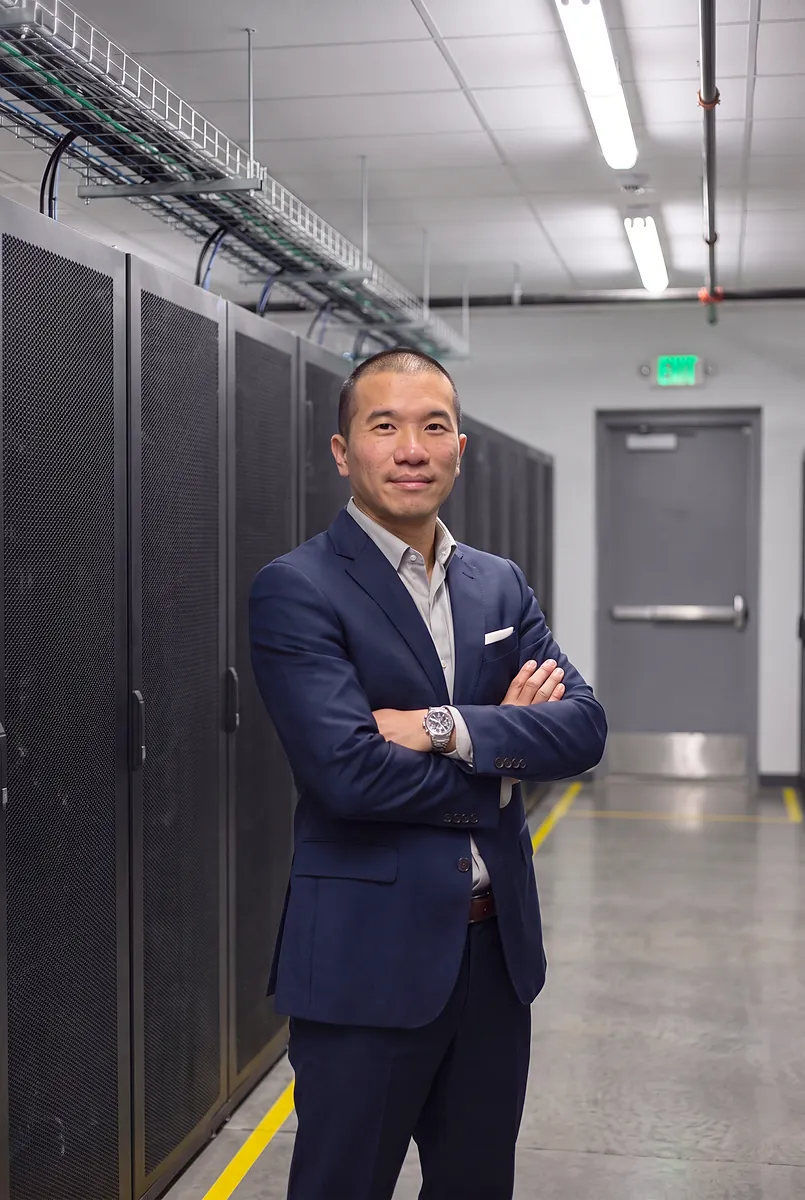
Jimmy Lin