Sell Data to AI Companies: The Most Common Mistakes
AITrainingDataBroker.com
Sell Data to AI Companies:
The Most
Common Mistakes
Files sent to
5 websites
Week 3: no offers
6 mistakes, and the fix for each
Raw files, everywhere at once, AI clean-up, wrong count, 4 terms, waiting
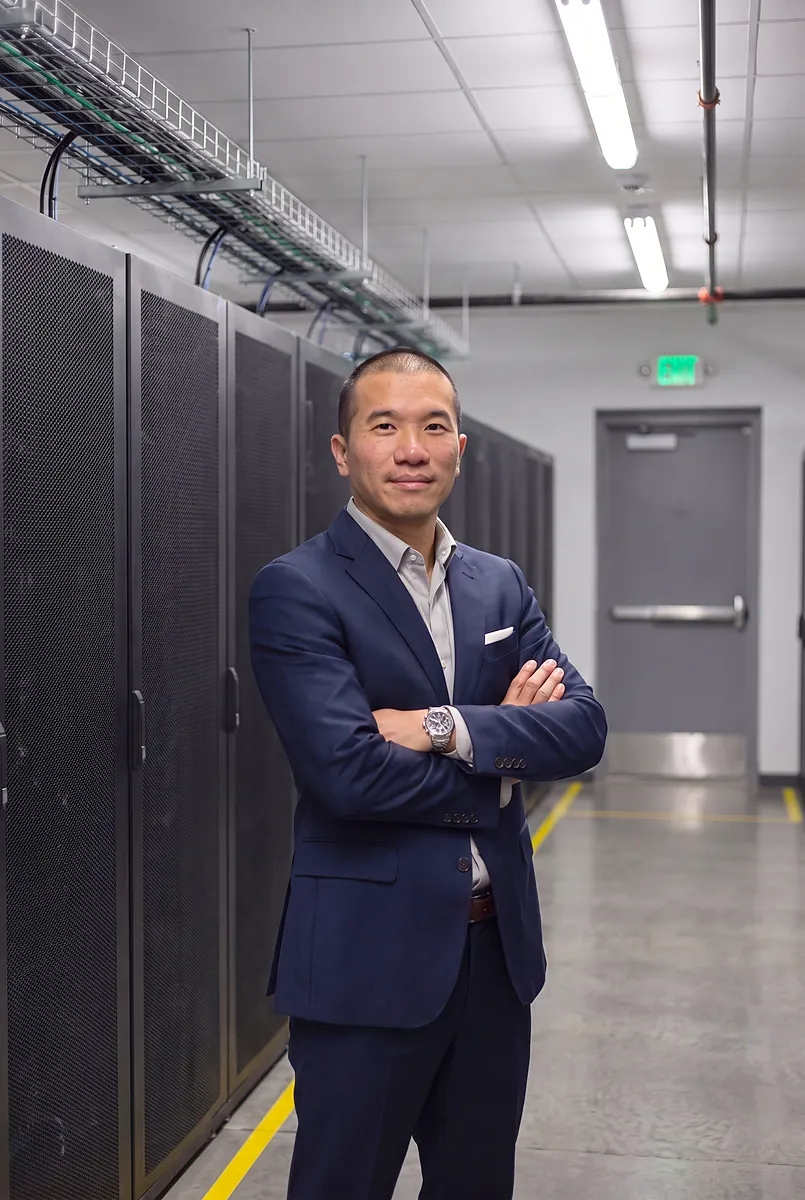
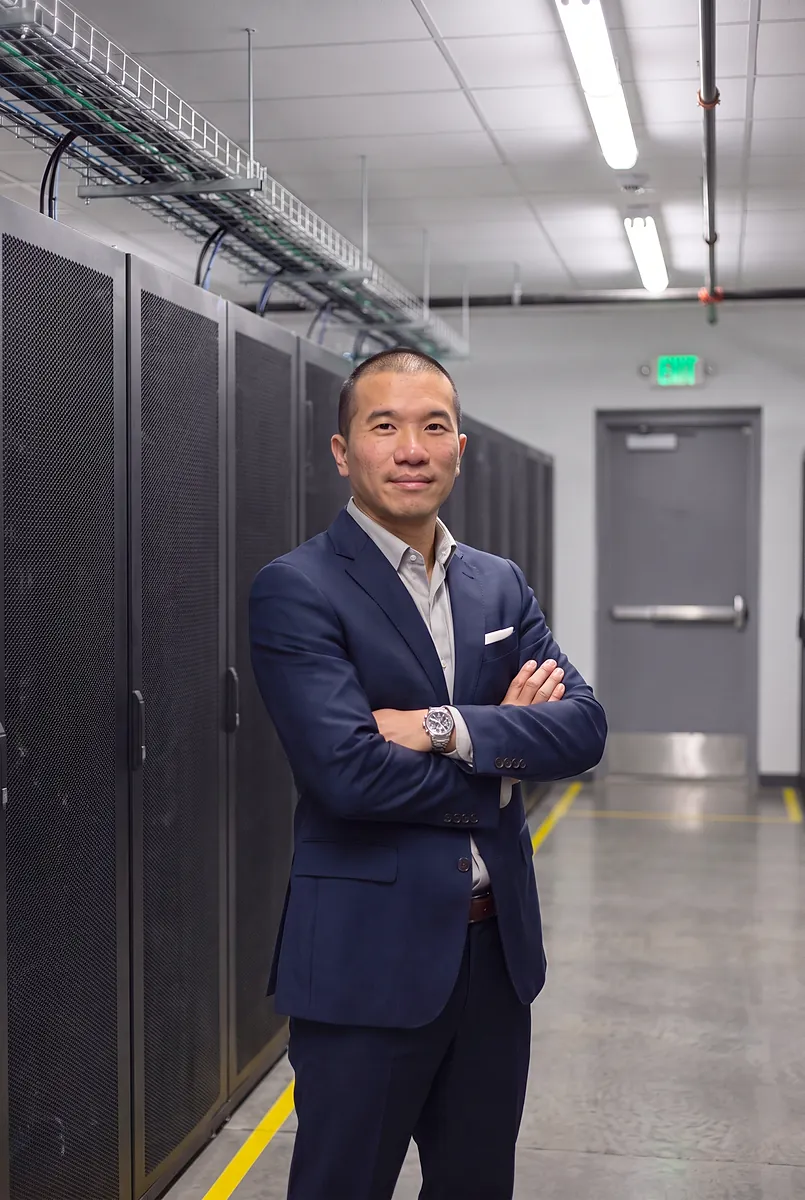
Jimmy Lin
Sell Data to AI Companies: The Most Common Mistakes
In one busy week, a company sends its files to every data website that asks for them.
Then the weeks go by, and not one offer comes back.
What went wrong, and what are the most common mistakes when you sell data to AI companies?
The video
Sell Data to AI Companies: The Most Common Mistakes
Full script
In one busy week, a company sends its files to every data website that asks for them.
Then the weeks go by, and not one offer comes back.
What went wrong, and what are the most common mistakes when you sell data to AI companies?
Most data deals that stall do not fail on the data itself, but on 1 of 6 common mistakes.
Each one costs time, money or the whole deal, and each one has a simple fix.
This is general information, not legal advice.
The first mistake often happens before an AI lab has even made an offer.
It starts with sending your raw files, the full export with every name in it, before anything is signed.
An NDA is a short agreement that says what an AI lab may do with what you show it, and it comes first.
Once raw files are out, you cannot pull them back, and the people named in them never agreed to that.
But there is a better way.
First comes the NDA, then a small sample that is de-identified, which means we strip out the names, addresses and account numbers.
The rest of your data waits for a signed contract.
Even in the right order, it is easy to offer the same data everywhere at once: 2 websites, a broker and a direct email.
Several of those routes can lead to the same AI lab, so it sees your data arrive from 4 directions.
Now it has to stop and ask who holds the rights to license it, and a quick yes turns into a long pause.
You can still license the same data to several AI companies, and my earlier video shows how to do it without that pause.
While the offers are out, some owners try to make their data look better, which is mistake number 3: rewriting it with AI tools.
A viewer asked in the comments how to clean up messy project logs before licensing them.
Many owners think a cleaner copy is worth more, but it is the other way around, so leave the words as they are.
AI labs want the real history, with the wrong part, the second try and the fix that finally worked.
An AI tool smooths that into neat text, and neat text is exactly what an AI can already write on its own.
So the polished copy is worth less, and the only cleaning that helps is taking out personal details in the de-identification step.
Your data also has to match what you say, and mistake number 4 is describing your data wrong, often by promising too much.
For example, an accounting firm promises 10 years of email.
Then 4 of those years turn out to sit in an old system that nobody can export.
Some AI lab contracts say that when the delivery does not match the description, the AI lab may refuse to pay.
Some even let it take money back after it has paid.
So count what you really have, and describe only what you have checked.
Once the description is right, an offer usually follows, and mistake number 5 is signing the AI lab's first contract without checking 4 things.
First, the use, which is what the AI lab may do with your data, such as training its own models only.
Second, the term, which is how long the deal lasts and what happens to your data when it ends.
Third, whether it is an exclusive AI lab agreement, which stops you from licensing the same data to anyone else, usually for 2 years.
Fourth, when you get paid, because the payment date lives in the contract, not in the friendly first email.
Have your lawyer read these 4 parts before you sign.
Mistake number 6 is the quiet one, waiting too long, because company data does not wait for you.
Many chat tools delete old messages on a schedule, so each month a little more of your history is gone.
When someone leaves, their mailbox is often wiped to save on the license, and years of their work go with it.
And over time, AI labs have raised the minimum company size they work with.
It went from 10 people to 20, 30 and 50, and some AI labs prefer 100 or more.
Not every company will fit: a very small team may sit below those minimums, and that is good to know early.
Here is a checklist before you send anything to an AI company.
Sign the NDA and share only a de-identified sample, and offer your data through one route.
Leave the words as they are, and count your data before you describe it.
Read the use, the term, the exclusive part and the payment date, and turn off any auto-delete in your systems.
A list like this usually leads to one question.
Who can help me avoid these?
Helping with that is what I do, so let me tell you who I am.
I'm Jimmy. I have worked in data at Fortune 500 companies, as a data analyst, a data engineer and a software engineer, and I am trained in data science. I am also a Canadian military veteran, specialized in data analysis and reporting.
In a data deal, I come in as your broker and technical advisor.
As your broker, I help you create relationships with AI labs and bring back their offers, so you can compare them side by side before you choose.
I work through the terms with you, and you make the final call.
As your technical advisor, I guide your team through what to export, the format, the de-identification and compliance.
We move forward only after your team signs off.
I work on commission only, paid by the AI lab.
Already shopping your data around? Contact us anyway. We can still work through the terms with you and help you negotiate a better price.
If you are buying data for an AI lab, I find the right data and see it through to delivery, so you can focus on AI research.
Most of these mistakes happen before the contract, so the order you do things in matters as much as your data.
More on selling data to AI companies at AITrainingDataBroker.com.
Thank you for watching.
I will see you next time.
More slides
AITrainingDataBroker.com
Buy/Sell/License
AI Data Market
Update, Nov 12
Healthcare, finance, professional firms, code and trade video, and the terms to check
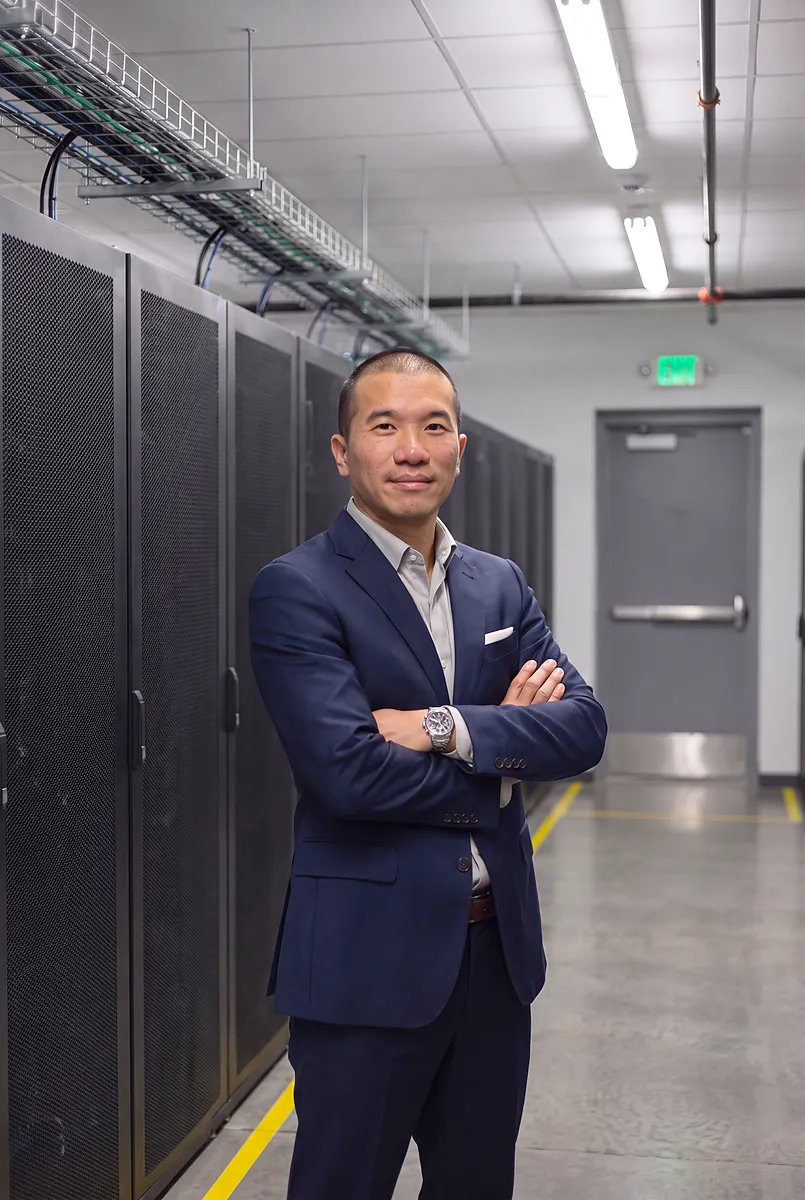
Jimmy Lin
AITrainingDataBroker.com
Which company data
do AI companies
pay the most for?
Why scarce records earn more, where AI is still weak, and a quick test for your own records.
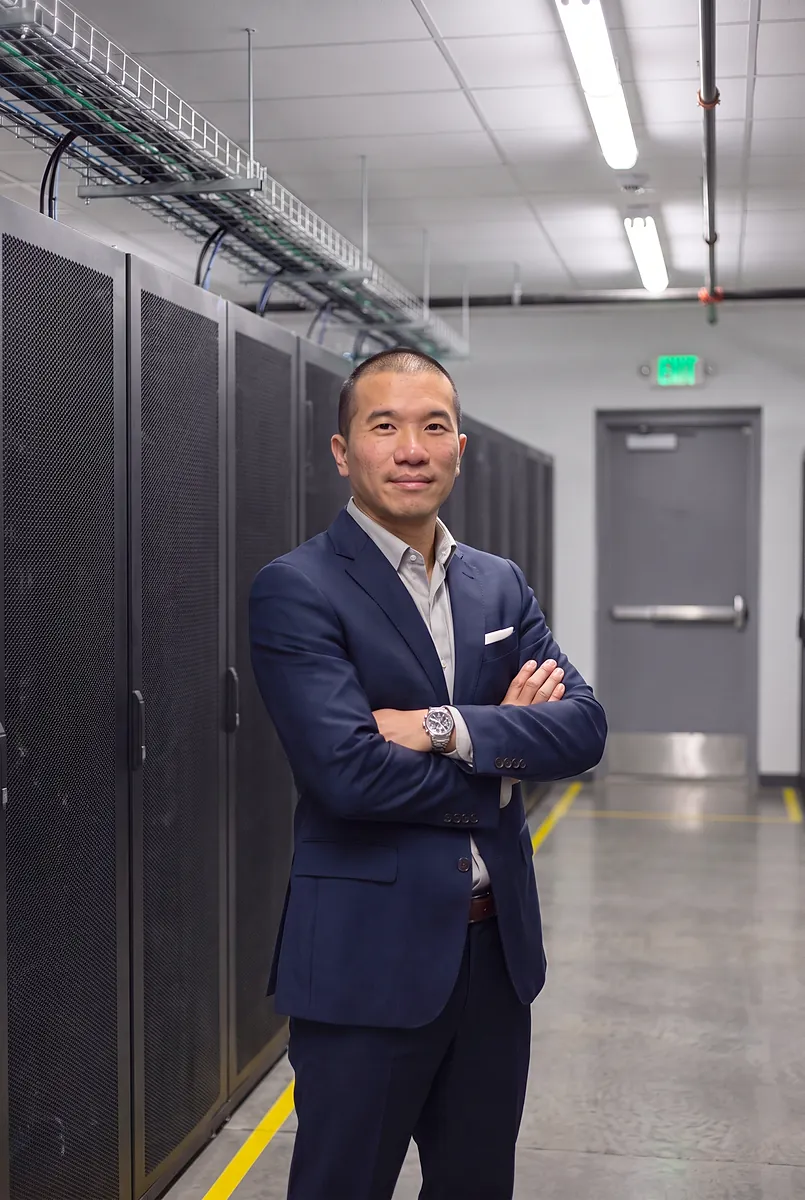
Jimmy Lin
AITrainingDataBroker.com
Selling data to AI:
Real deal
or a scam?
How to tell a real data licensing offer from a fake one, and how to check any broker, me included.
Jimmy Lin