Has Your Data Been Licensed Before? The First Question AI Labs Ask
AITrainingDataBroker.com
Has Your Data Been
Licensed Before?
AI Labs Ask First
Why an earlier license changes what your data is worth, and how an AI lab checks
Jimmy Lin

Has Your Data Been Licensed Before? AI Labs Ask First
Most owners think an AI lab first asks how much data they have.
It does not.
It asks whether your data has been licensed before, because the answer can change what it is worth.
The video
Full script
Most owners think an AI lab first asks how much data they have.
It does not.
It asks whether your data has been licensed before, because the answer can change what it is worth.
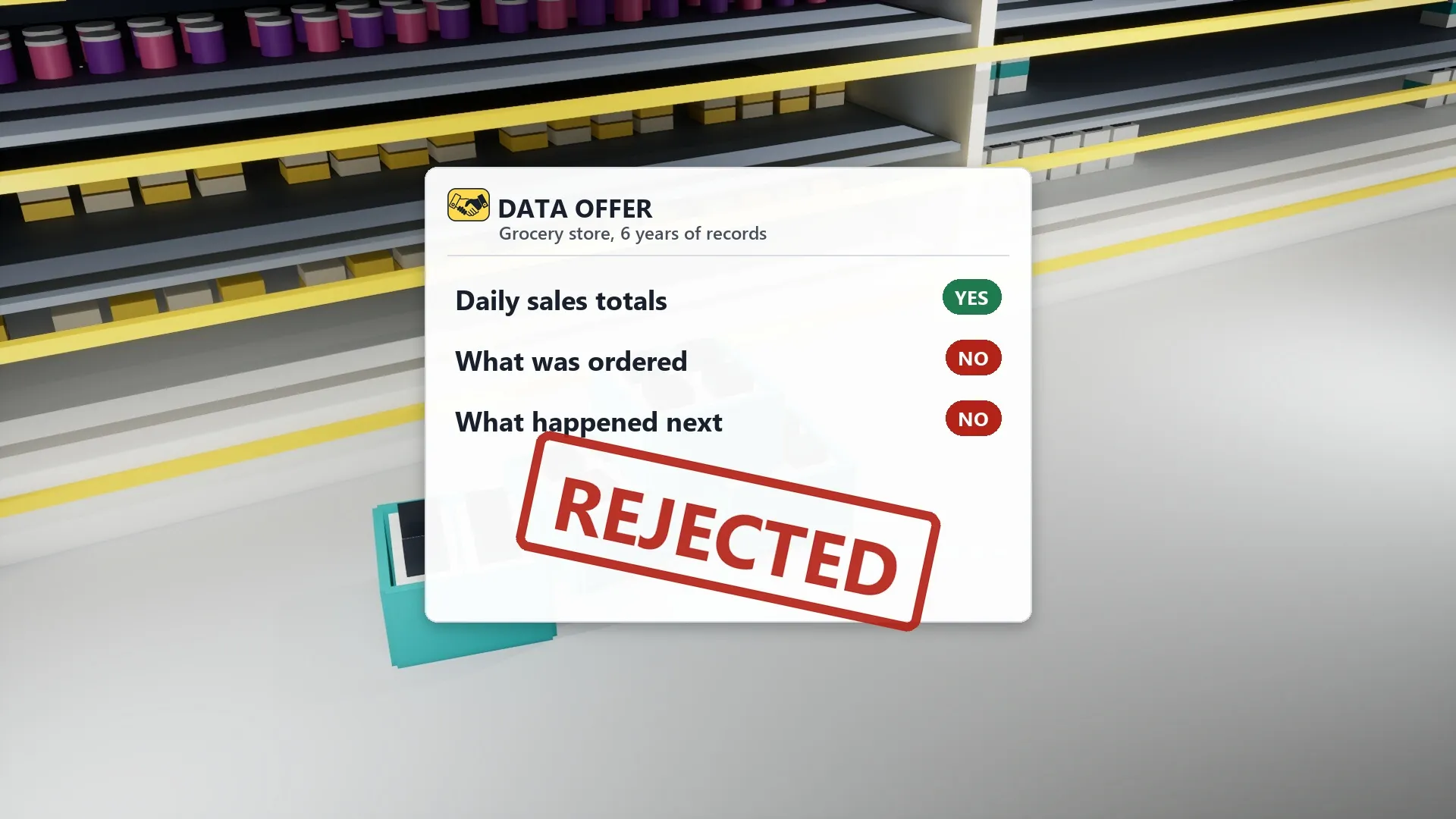
Suppose a software company with 40 people licensed 6 years of support emails to one AI company last year.
The company is made up, only to show the idea.
This year, a second AI lab wants the same emails, but only if no one else has them.
The owner cannot offer that, so the price drops, or the deal ends.
This video is general information, not legal advice.
First, let me tell you who I am.
I'm Jimmy. I have worked in data at Fortune 500 companies, as a data analyst, a data engineer and a software engineer, and I am trained in data science. I am also a Canadian military veteran, specialized in data analysis and reporting.
If you want to sell your data, I am your broker and technical advisor. I bring your data to several AI companies, and I guide your team through the technical side, including compliance. AI companies pay my fee.
Already shopping your data around? Contact us anyway. We can still work through the terms with you and help you negotiate a better price.
If you are buying data for an AI lab, I find the right data and see it through to delivery, so you can focus on AI research.
Why does this question come first?
An AI lab pays the most for data that no other AI company has trained on.
That data can teach its model work that its competitors cannot do yet.
Once the same data has gone to another AI company, it is no longer only yours to offer.
That is true even without exclusivity.
So the next AI lab pays less, or it asks for something you can no longer give.
So what counts as licensed before?
The clearest case is a license to an AI company, with or without exclusivity.
It also counts when the data was sold on a data marketplace, or posted publicly online.
After that, anyone may already have it.
Some things do not count.
A small sample sent to an AI lab during talks is normal, and so is a short description of what you have.
Neither one is a license, and neither one lowers your price.
How does an AI lab know your answer is true?
First, it simply asks you.
Then the license contract turns your answer into a written promise, which lawyers call a warranty.
It can also check public listings and announcements.
And it can compare your sample with data it already holds.
If the same emails are already in its collection, it notices.
If the answer is wrong, the contract makes it the owner's problem.
The AI lab can end the deal and ask for its money back.
Read your earlier contracts with your own lawyer before you answer.
Our video on liability explains who pays when a deal goes wrong.
The earlier contract decides what you can offer now.
If that license was exclusive, the earlier AI company holds the right.
US copyright law, section 501(b), as read in November 2026, lets the holder of an exclusive right sue in its own name.
So a new license to anyone else can put you in breach.
If the earlier license was not exclusive, a new license is possible, unless that contract limits it in other ways.
You just cannot promise the new AI lab that it is the only one.
This will not fit every owner who licensed before, but it is not the end either.
The US Copyright Office, in its May 2025 report on AI training, describes licensing deals in music, news and images.
Data licensed before can be licensed again, without exclusivity, usually for a lower price.
What changes is the price and the promise, not whether a deal is possible.
You may be wondering what to do if you licensed some of your data before.
Split it into 2 parts.
The part that went to an AI company before is offered as it is, without exclusivity.
The newer years, or the systems that were never licensed, like your team chat or your CRM, can still be offered fresh.
That second part is often where the value is.
A data deal usually runs in 4 steps, whoever you work with.
First, the AI lab sees a short summary, not the data itself.
Then both sides sign an NDA, which keeps the talks private, and the AI lab tests a small sample.
Last, offers come in, and the owner decides.
The question about earlier licenses comes up at step 1, so have the answer ready.
I am a data broker and technical advisor, and this is where I come in.
Before I present your data, I ask about every earlier license and read what each one allows.
Then I offer each AI lab only what you can still give, so no promise breaks later.
The AI lab pays my fee, and only after a deal closes.
So before you talk to any AI lab, start one list of every earlier license.
Write down who it went to, and when it started and ends.
Add which data it covered, the systems and the years, and whether it was exclusive.
With that list in hand, the first question takes 1 minute to answer.
If your data has never been licensed, that answer may be your strongest card.
More on how licensing works is at AITrainingDataBroker.com.
If you licensed some of your data before and are not sure what you can offer now, ask me in the comments.
Thank you for watching.
I will see you next time.